Every parent wonders about screen time. You hand your child a tablet to finish your coffee in peace, and five minutes later you are questioning every choice you have made as a parent. Sound familiar?
Here is the thing nobody tells you: the debate about screen time is not really about screens. It is about what screens replace. When your child watches a show instead of building a tower with blocks, they are not just losing tower time. They are losing the kind of sensory, hands-on experience that wires their right brain for creativity, intuition, and spatial thinking.
A 2026 study from the National Institute of Child Health followed 3,000 children over four years. The findings were clear: kids who spent more than two hours daily on passive screen content showed measurably weaker right brain activity compared to peers who engaged in physical play, art, and conversation. But here is the nuance that gets lost in headlines: not all screen time is equal.
What the Research Actually Shows
Passive scrolling and fast-paced cartoons train the brain to expect constant stimulation. The right hemisphere, which handles imagination, pattern recognition, and emotional processing, does not develop well when it is bombarded with rapid-fire content. It develops through slow, open-ended exploration.
Interactive educational apps, video calls with grandparents, and co-viewing with a parent who asks questions? Those are different. They engage the brain rather than just pacify it. The key word is engagement.
The Right Brain Connection
Your right brain processes information holistically. It sees the big picture, makes creative connections, and reads emotions. When children spend hours on screens, they are training their left brain to process information in quick, linear bursts while the right brain sits idle.
This matters because right brain development peaks between ages two and six. That is the window. After that, building those neural pathways takes significantly more effort. So the stakes are not trivial.
What You Can Actually Do
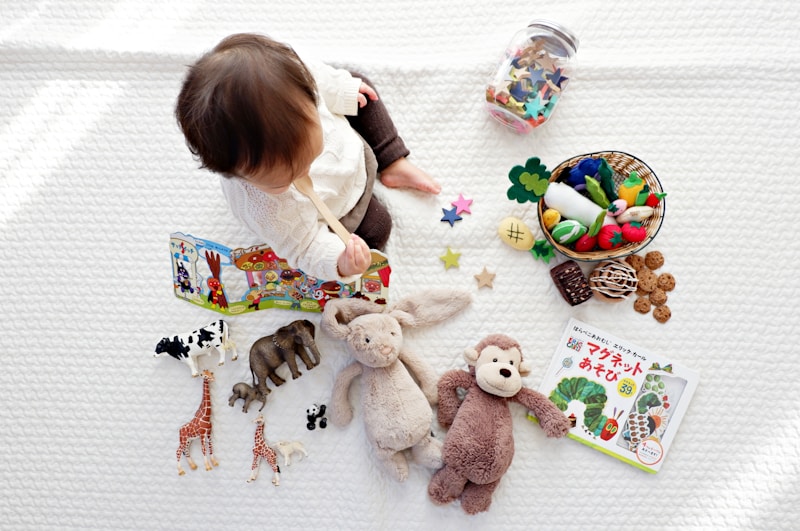
You do not need to become a screen-free purist. That is unrealistic for most families. Instead, try the replacement approach. For every thirty minutes of screen time, offer thirty minutes of something that feeds the right brain: drawing, building, storytelling, music, or simply unstructured play where your child decides what happens next.
Co-view when you can. Ask your child what they think will happen next. Pause the show and discuss. That simple act turns passive consumption into active thinking.
Set screen-free zones, not screen-free lives. Meals, the hour before bed, and the first hour after school are powerful times to protect. Those are the hours when connection and creativity happen naturally.
The goal is not perfection. It is awareness. When you understand what is happening in your child brain, you can make small shifts that add up to something big.