Let me guess. Your kid would rather watch YouTube than do literally anything else. Sound familiar? You are not alone. Screen addiction in young children has become one of the biggest concerns for parents in the last decade. And honestly, it is not just about taking the device away. That creates a different set of problems.
But what if there was something genuinely engaging enough to compete with screens? Something that actually lights up the same parts of the brain that screens do, but in a healthier way?
Why Screens Are So Addictive for Kids
Here is what most parents do not realize. Screens are not just entertaining. They are engineered to be addictive. The constant visual stimulation, the immediate rewards, the bright colors and sounds. They activate the brain's dopamine system faster than almost anything else. For a young child whose brain is still developing, this is like giving a sugar rush to the brain.
The problem is that screens primarily engage the left brain's logic and language centers while passively receiving visual input. The right brain, which handles creativity, imagination, and active visual processing, gets underused.
How Right Brain Activities Fill the Gap
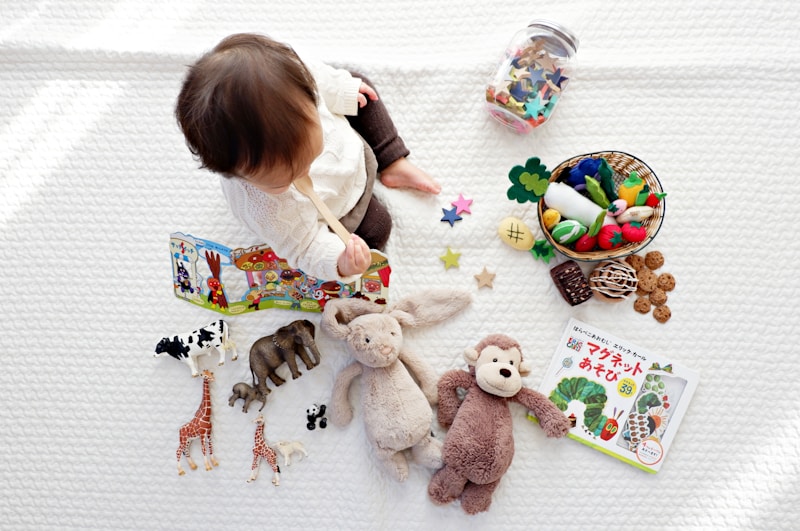
Right brain activities are different because they are active, not passive. When a child does flash card exercises, they are not just watching. They are processing, visualizing, and responding. When they do creative play, they are using their imagination, not just consuming someone else's.
Think about it this way. A screen gives a child a finished picture. Right brain training asks them to create their own. That is a fundamentally different experience for the brain.
What Parents Have Noticed
Here is what surprises most parents. When children start regular right brain activities, their interest in screens naturally decreases. Not because you forced them, but because their brain is getting the stimulation it needs from healthier sources.
Parents report that kids start choosing creative activities over screen time. They start drawing, building, imagining. They get excited about flash cards and visualization games. The dopamine hit they used to get from screens starts coming from real-world activities instead.
Making the Transition
I will not lie. The transition is not always smooth. If your child is heavily screen-dependent, you need to introduce right brain activities gradually. Start with short sessions. Make them fun and interactive. Do not force it. Let your child discover that these activities can be just as rewarding as screens.
The Long-Term Win
Here is the real benefit. When children develop strong right brain skills early, they are less likely to become screen-dependent later. They have built a foundation for active learning, creativity, and imagination that screens simply cannot match. That is not just reducing screen time. That is building a healthier relationship with technology for life.