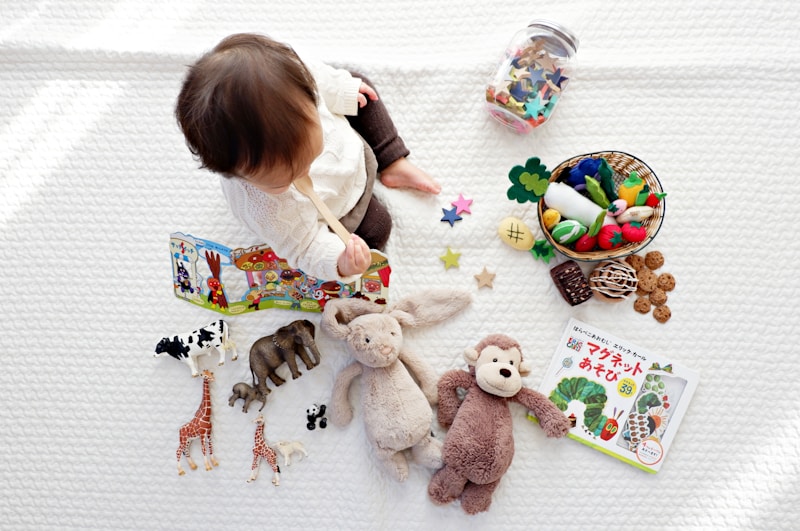
Childhood used to be defined by imagination. Building forts, pretending sticks were swords, inventing games with rules that changed every five minutes. Now childhood is increasingly defined by consumption. Watching videos, playing pre-made games, scrolling through content someone else created.
This shift is not just nostalgic. It has real consequences for brain development.
What Imagination Does
When children imagine, their brains practice the most important cognitive skills: creating something from nothing, holding multiple variables in mind simultaneously, predicting consequences, and thinking in abstract ways.
Imagination builds executive function, the brain management system that controls planning, focus, and self-regulation. Children who engage in regular imaginative play show stronger executive function than children who do not.
What Screens Replace
Screens provide ready-made content that requires no imagination. A child watching a video does not need to create characters, build settings, invent dialogue, or imagine outcomes. All of that work is done for them.
This is not inherently harmful in small amounts. But when screen time replaces the majority of play time, children lose the opportunity to exercise their imagination muscles. And like any muscle, imagination weakens without use.
The Imagination Deficit
Teachers report that children entering school today have weaker imaginative skills than previous generations. They struggle with open-ended tasks. They ask what they are supposed to do instead of inventing what to do. They prefer structured activities with clear outcomes.
This is not because children are less creative by nature. It is because they have had fewer opportunities to develop their creativity.
Rebalancing the Equation
You do not need to eliminate screens. You need to ensure they do not consume the time and mental space that imagination requires. Set clear boundaries around screen time and protect unstructured play time fiercely.
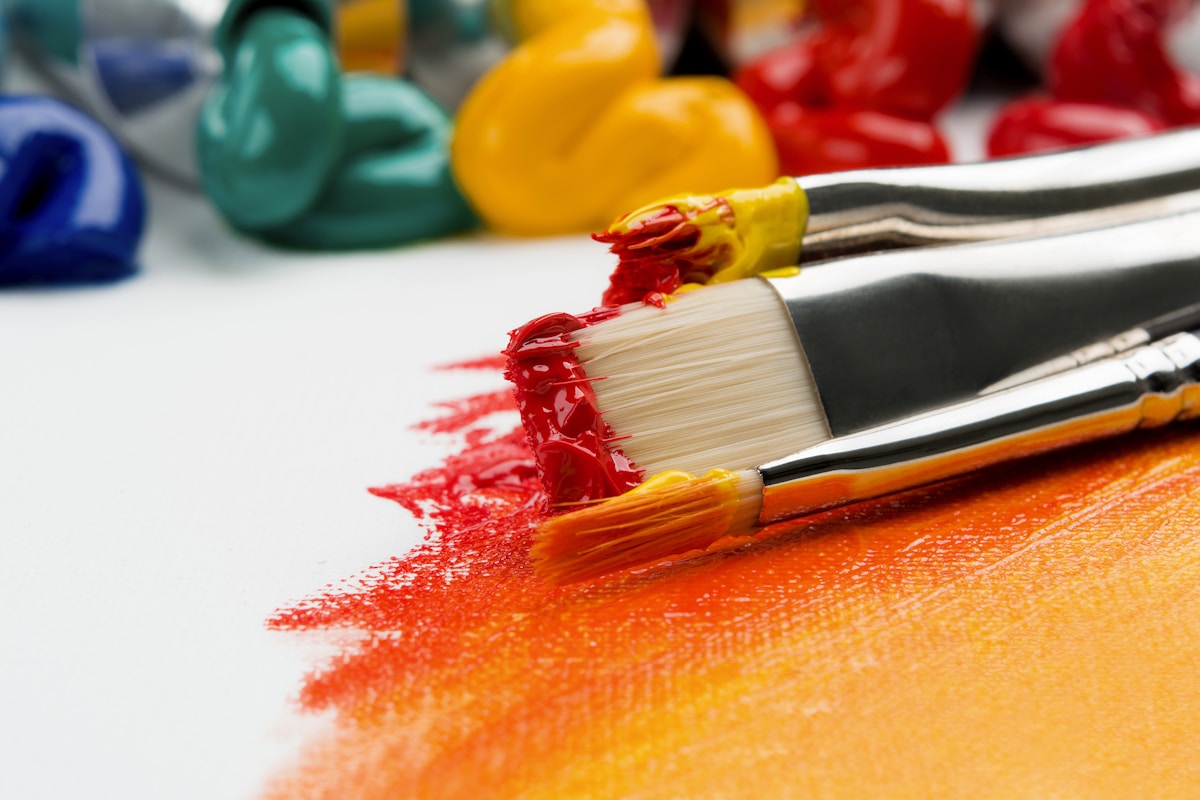
Provide materials that invite imagination. Art supplies, building blocks, costumes, props. When the raw materials of creation are available, children naturally begin to create.
Ask imaginative questions. What would it be like to fly? If you could build any house, what would it look like? These questions activate the right brain and invite creative thinking.
Let your child be bored. Boredom is the imagination?????????. When there is nothing to do, the brain invents something to do. That is the beginning of all creativity.