Creating in a world saturated with screens requires intentional parenting. You cannot avoid technology entirely, but you can ensure it does not consume the creative space your child needs to thrive.
The Creative Deficit
Studies show that children creativity scores have declined significantly over the past two decades, right as screen time has increased. This is not a coincidence. Screens provide ready-made entertainment, which means children create less on their own.
When every moment of boredom is filled with a video or a game, children never develop the habit of generating their own amusement. And that habit is the foundation of creativity.
The Replacement Strategy
The most effective approach is not restriction but replacement. Instead of simply saying no to screens, provide compelling alternatives.
Keep art supplies visible and accessible. When crayons, paper, and paint are within reach, children are more likely to create. When they are hidden in a closet, children are more likely to reach for a tablet.
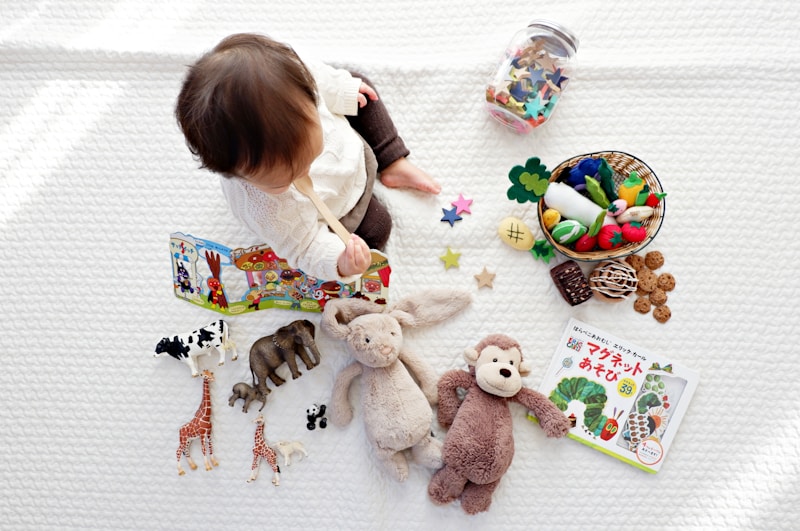
Create maker spaces. A corner with blocks, craft materials, cardboard boxes, and tape can occupy a child for hours. The key is variety and open-endedness.
Protect Creative Time
Designate daily screen-free hours. The hour after school and the hour before bed are particularly important. These are the times when creative thinking naturally occurs.
Make weekends partially screen-free. Give your child long stretches of unstructured time where they have to create their own entertainment. The first twenty minutes might involve complaining. The next two hours might involve the most creative play you have ever seen.
Model Creativity
Children learn more from what you do than what you say. If you spend your evenings scrolling, your child will too. If you draw, build, cook, write, or create alongside them, they will internalize that creation is a normal part of life.
Share your own creative process. Let your child see you struggle with a project, try different approaches, and eventually succeed. They will learn that creativity involves persistence, not just inspiration.
Celebrate Process Over Product
When your child shows you something they made, focus on the process rather than the product. Ask about their choices. Ask what was hard. Ask what they would do differently. This teaches them that the value of creation is in the thinking, not the result.
Display their work. Put it on the fridge, on the walls, on the mantel. When children see their creations valued, they create more. It is that simple.