
Choosing a preschool is one of the most important decisions parents make. The right environment sets the foundation for your child's love of learning and social development. Asking the right questions helps you find the perfect fit.
Visiting preschools can feel overwhelming. Between observing classrooms, meeting teachers, and comparing programs, it's easy to feel lost. A list of thoughtful questions helps you stay focused and gather the information you need.
Understanding the School's Philosophy
Every preschool has a teaching philosophy that guides how they approach education. Some follow structured curricula, while others embrace play-based learning. Understanding this philosophy helps you determine if it aligns with your family's values.
Ask about the school's approach to discipline and behavior management. How do they handle conflicts between children? What strategies do they use for challenging behaviors? Their answers reveal a lot about the classroom environment.
Learn about the school's views on academic readiness. Do they emphasize formal academics or focus on social-emotional development? Neither approach is wrong, but one might fit your child better than the other.
Teacher Qualifications and Ratios
Teachers are the heart of any preschool. Ask about their education, experience, and ongoing training. Qualified teachers with early childhood education backgrounds provide better learning experiences for children.
Student-to-teacher ratios directly impact the quality of care and attention each child receives. Lower ratios mean more individual attention, better supervision, and more responsive teaching. Ask about both the overall ratio and the number of adults in each classroom.
Teacher turnover is an important indicator of school quality. High turnover suggests problems with management, pay, or working conditions. Low turnover indicates a stable, positive environment where both teachers and children thrive.
Curriculum and Daily Schedule
Understanding what your child will learn and do each day helps you set expectations. Ask for a typical daily schedule and examples of activities. Look for a balance of structured and unstructured time.
Inquire about specific curriculum areas. How does the school approach literacy, math, science, and social studies? Are activities hands-on and age-appropriate? Do they follow a particular educational method like Montessori or Reggio Emilia?
Ask about assessment methods. How does the school track your child's progress? How will they communicate this progress to you? Regular communication between school and home supports your child's development.
Safety and Health Policies
Safety should be your top priority. Ask about security measures, supervision practices, and emergency procedures. How do they handle medical emergencies? What are their policies on allergies and medication?
Health policies affect your child's well-being. Ask about illness policies, cleanliness practices, and hygiene routines. How do they handle sick children? What steps do they take to prevent the spread of germs?
Background checks for staff are essential. Ensure all adults who work with children have undergone proper screening. This protects your child and provides peace of mind.
Classroom Environment
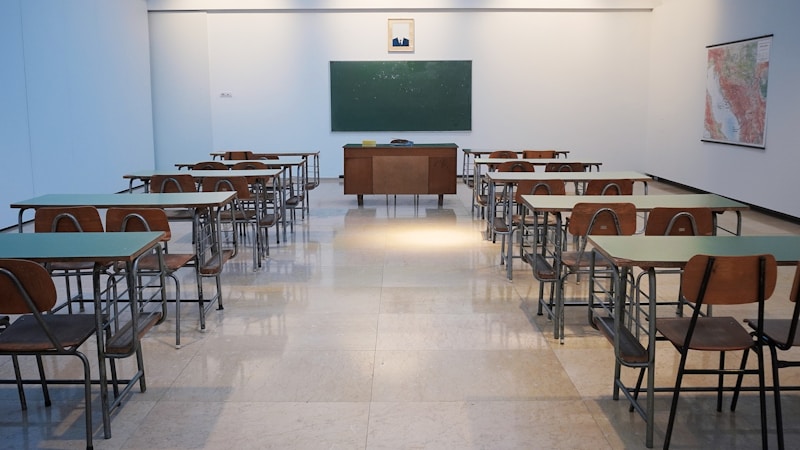
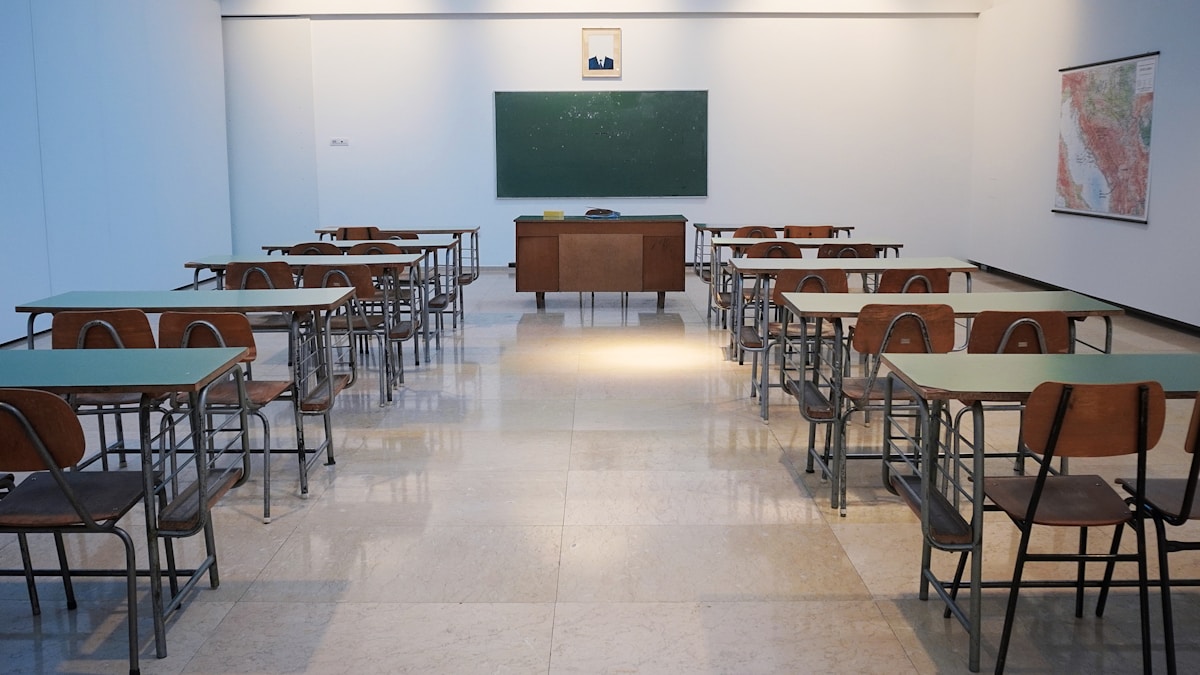
Visit classrooms during school hours to see the environment in action. Look for organized, inviting spaces with age-appropriate materials. Are materials accessible to children? Is the space clean and well-maintained?
Observe how teachers interact with children. Are they warm and responsive? Do they get down to children's eye level? Do they listen actively and respond thoughtfully? These interactions shape your child's experience.
Notice the overall atmosphere. Is it calm and purposeful, or chaotic and noisy? Do children seem happy and engaged? Trust your instincts about whether the environment feels right for your child.
Parent Involvement Opportunities
Strong preschools welcome parent involvement. Ask about volunteer opportunities, communication methods, and parent events. Regular involvement keeps you connected to your child's education.
Learn about communication practices. How often will you receive updates about your child? What methods do they use - newsletters, apps, conferences? Clear communication builds trust between families and schools.
Parent communities provide support and friendship. Ask if the school facilitates connections between families. These relationships benefit both parents and children.
Social and Emotional Development
Social skills are crucial preschool outcomes. Ask how the school teaches sharing, cooperation, and conflict resolution. How do they help children develop empathy and emotional regulation?
Inclusion practices matter. How does the school welcome children with different abilities, backgrounds, and needs? An inclusive environment teaches children to appreciate diversity.
Friendship development is important at this age. How does the school help children build relationships? Are there opportunities for both cooperative and independent play?
Practical Considerations
Location and hours affect your daily life. Is the school conveniently located? Do the hours work with your schedule? Are there options for early drop-off or late pick-up if needed?
Costs vary widely between preschools. Ask about tuition, fees, and payment schedules. Are there additional costs for supplies, activities, or meals? Understanding the full financial commitment helps you budget appropriately.
Transition support helps children adjust to a new environment. How does the school handle the first days and weeks? Do they offer orientation sessions or gradual start programs? Smooth transitions set children up for success.
Special Programs and Services
Some preschools offer special programs that enhance the basic curriculum. Music, art, physical education, and foreign language programs add value to the preschool experience.
Before and after care options matter for working parents. Does the school offer extended day programs? What activities are included? Extended care provides continuity and convenience.
Summer programs and school break care can be valuable. If you need year-round care, ask about these options. Consistent care throughout the year supports your child's development.
Trust Your Instincts
After gathering all the information, trust your gut feeling. You know your child better than anyone. If something doesn't feel right, keep looking. The perfect preschool is out there.
Talk to current parents about their experiences. They can provide honest perspectives that brochures and websites can't capture. Their insights can help you make your final decision.
Remember that no preschool is perfect. Look for a program that meets most of your priorities and feels like a good fit for your child. The right choice will give you confidence and peace of mind.
Learn more about play-based learning for additional insights. Check out our guide on classroom environment to explore this topic further. For more details, read our article on learning environment.
Making the Final Decision
Review your notes and compare schools systematically. Consider your child's personality, your family's values, and practical constraints. Make a list of must-haves versus nice-to-haves.
Involve your child in the decision when appropriate. Visit schools together and observe their reactions. While young children can't make the final choice, their comfort and happiness matter.
Once you've made a decision, communicate with the school about any concerns or questions. Building a positive relationship from the start supports your child's success. Trust that you've made the best choice for your family.