
The debate between online learning and classroom learning has grown louder in recent years. Parents, educators, and students all have opinions on which approach works best. With technology changing how we access information, many families find themselves weighing the pros and cons of each option.
Neither approach is universally better than the other. The right choice depends on your child's learning style, your family's schedule, and the resources available to you. Let's break down the key differences so you can make an informed decision for your child's education.
Flexibility and Schedule
One of the biggest advantages of online learning is flexibility. Students can often learn at their own pace, revisiting difficult concepts or speeding through material they already understand. This self-paced approach works well for kids who need more time on certain subjects or who get bored waiting for classmates to catch up.
Classroom learning follows a set schedule. While this structure can be helpful for some children, it doesn't always account for individual learning speeds. A child who struggles with math might feel rushed, while an advanced reader might feel held back.
Online platforms let families create learning schedules that fit their lifestyle. Morning person? Your child can tackle difficult subjects first thing. Night owl? Evening study sessions become possible without the constraints of a school bell.
Social Interaction and Collaboration
Classroom learning offers built-in social interaction. Children learn to work with classmates, navigate group projects, and develop interpersonal skills that are hard to replicate online. These social experiences are valuable parts of childhood development.
Online learning can feel isolating for some children. While virtual classrooms and discussion boards provide some interaction, they don't fully replace face-to-face communication. Many online programs now include virtual group projects and video discussions to bridge this gap.
However, homeschooled children often participate in co-ops, sports teams, and community activities that provide ample social opportunities. The key is ensuring your child has regular interactions with peers regardless of the learning format you choose.
Learning Environment and Distractions
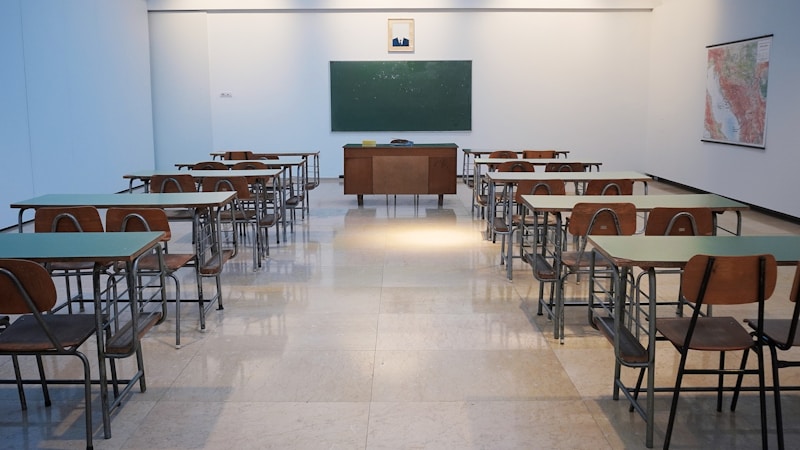
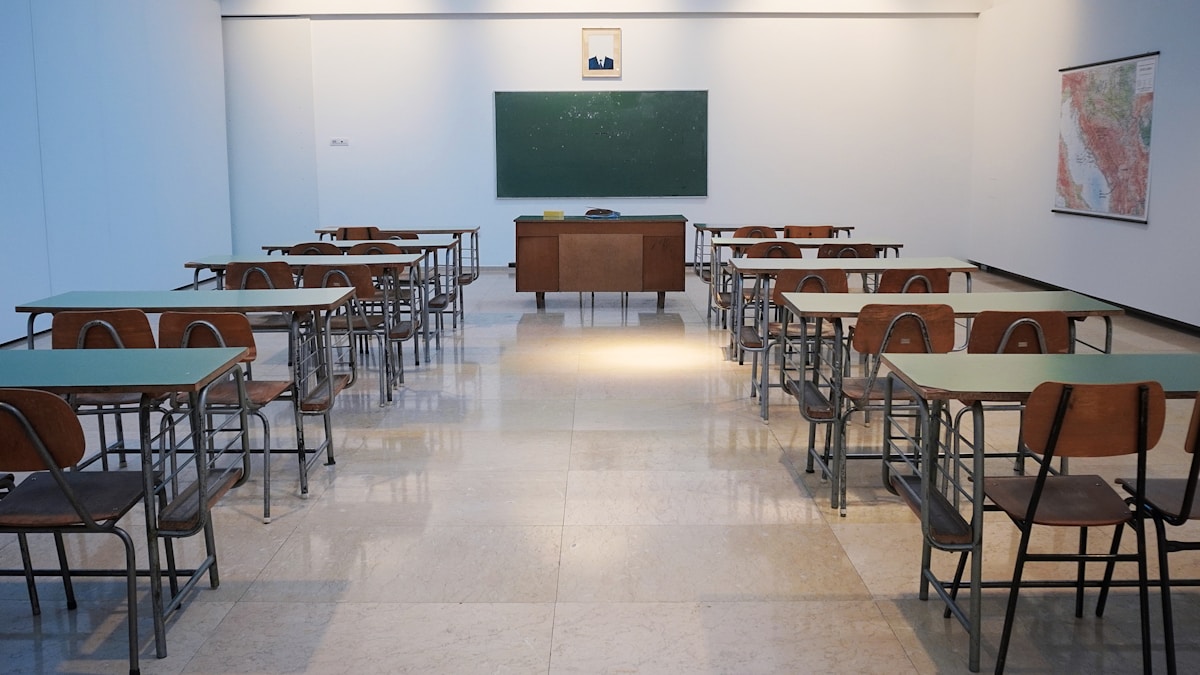
A traditional classroom provides a dedicated learning space designed for education. Desks, whiteboards, and educational posters create an environment that signals it's time to learn. For some children, this physical separation between home and school helps them focus.
Online learning happens wherever you set up a computer. This can be a quiet home office, the kitchen table, or even a cozy corner of the living room. The challenge is minimizing distractions like television, siblings, or the temptation to play games instead of studying.
Creating a dedicated learning space at home can help online learners stay focused. Even a small desk in a quiet corner can make a big difference in concentration levels.
Curriculum and Teaching Quality
Classroom teachers bring expertise, passion, and the ability to adapt their teaching style in real time. They can read the room, adjust explanations, and provide immediate feedback. A great teacher can inspire a love of learning that lasts a lifetime.
Online learning platforms offer access to a wide range of courses and instructors. Your child might learn coding from a Silicon Valley expert or study marine biology through a university partnership. This variety isn't always available in local schools.
The quality of online curricula varies widely. Some programs are well-designed with engaging content, while others feel like digital textbooks. Research any online program thoroughly before committing.
Cost Considerations
Public school education is free, funded by taxpayer dollars. This includes textbooks, supplies, and access to teachers and facilities. For many families, this makes traditional schooling the most affordable option.
Online learning costs range from free to expensive. Free resources like Khan Academy and Coursera offer quality content, while premium platforms can cost hundreds or thousands of dollars per year. Factor in technology costs like computers and reliable internet access.
Consider the hidden costs of each option. Traditional school might require transportation, lunch money, and activity fees. Online learning might require a quieter home environment or additional childcare during working hours.
Technology Requirements
Online learning requires reliable technology. A stable internet connection, an up-to-date computer, and sometimes additional software are essential. Technical difficulties can disrupt learning and cause frustration for both parents and children.
Classroom learning uses school-provided technology. Computer labs, tablets, and classroom equipment are maintained by the school. Students don't need to worry about software updates or troubleshooting connectivity issues.
Both approaches increasingly incorporate technology into learning. Even traditional classrooms use smartboards, educational apps, and online resources. The difference is who provides and maintains the technology.
Parental Involvement
Online learning often requires significant parental involvement. Parents become teachers, tech support, and motivators. This can be rewarding but also exhausting, especially for working parents or those with multiple children.
Classroom learning shifts most educational responsibility to teachers. Parents support learning through homework help, attending conferences, and reinforcing concepts at home. The time commitment is generally less than homeschooling.
Consider your own availability and patience when choosing between options. Some parents thrive in teaching roles, while others prefer to support their child's education from the sidelines. Both approaches are valid.
Assessment and Progress Tracking
Online platforms often provide detailed progress reports and analytics. Parents can see exactly which concepts their child has mastered and where they need more practice. This data-driven approach helps identify gaps early.
Traditional schools use tests, quizzes, and report cards to track progress. Parent-teacher conferences provide personalized feedback. While less detailed than some online analytics, this approach gives a broader picture of your child's development.
Consider how important detailed progress tracking is to your family. Some parents want granular data, while others prefer a simpler overview of their child's academic standing.
For more details, read our article on learning calendar. Check out our guide on home setup to explore this topic further. Learn more about play-based learning for additional insights.
Making the Right Choice
There's no one-size-fits-all answer to the online versus classroom debate. Many families use a hybrid approach, combining online resources with traditional schooling or homeschool co-ops. This flexibility allows you to take advantage of the best of both worlds.
Think about your child's personality, your family's needs, and the resources available in your area. Talk to other parents, try out different approaches, and be willing to adjust if something isn't working. The goal is finding what helps your child learn and thrive.
Remember that the best education is one that fits your child's unique needs. Whether you choose online learning, classroom instruction, or a combination of both, your involvement and support as a parent make the biggest difference.