Creating a learning-friendly home environment doesn't require expensive materials or a dedicated school room. With thoughtful planning and simple changes, any home can become a place where children naturally explore, discover, and grow.
The goal is making learning a natural part of daily life, not a separate activity. When children see learning everywhere, they develop curiosity and a love of knowledge that serves them throughout their lives.
Designing Learning Spaces
Every child needs a comfortable, quiet space for focused learning. This doesn't have to be a separate room - a corner of the bedroom, a spot at the kitchen table, or a cozy reading nook works perfectly.
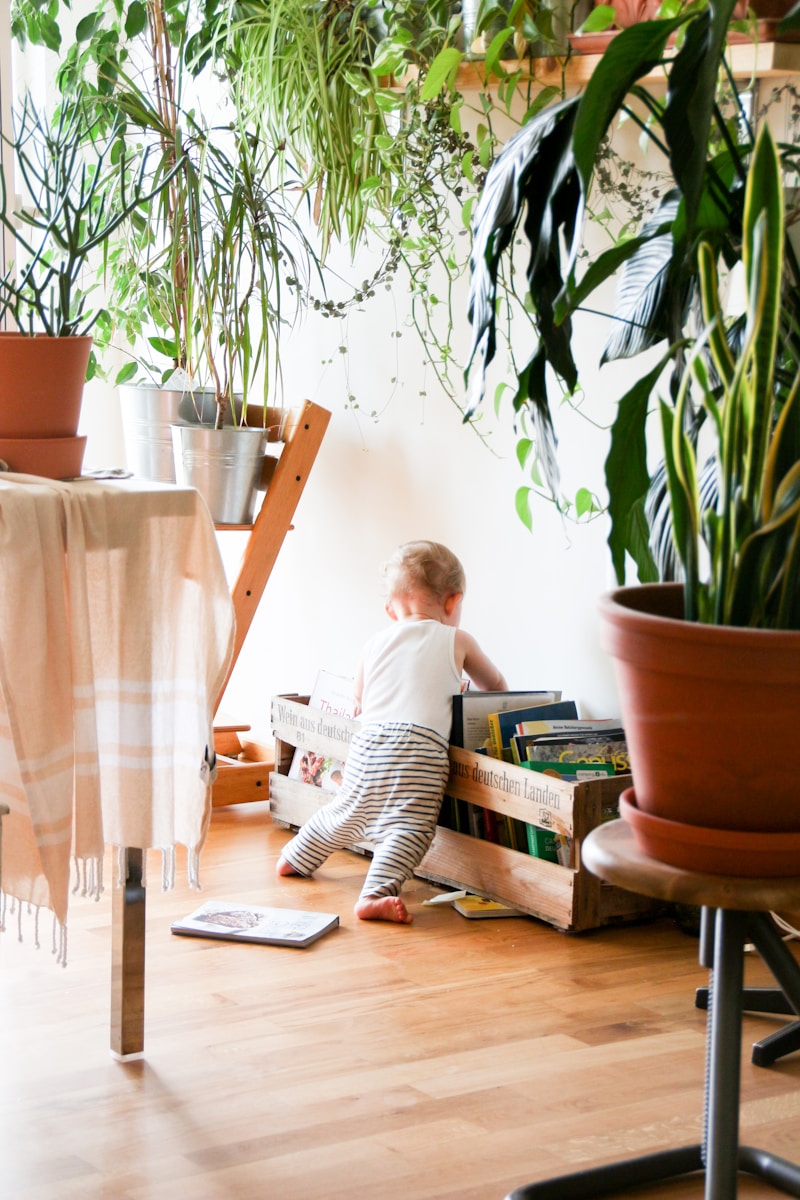
Organize materials so children can access them independently. Low shelves, labeled containers, and open storage help children find what they need and put things away. Independence builds confidence and responsibility.
Create zones for different activities. A reading corner with books and soft seating, an art area with supplies and easy-to-clean surfaces, and a quiet zone for focused work help children transition between activities.
Stocking Up on Learning Materials
Books are the foundation of any learning environment. Stock your home with a variety of books at different reading levels. Visit the library regularly to refresh your collection and let children choose their own reading material.
Art supplies encourage creativity and fine motor development. Keep paper, crayons, markers, glue, and scissors accessible. Add specialty items like paint, clay, and collage materials for more advanced projects.
Educational games and toys develop specific skills. Puzzles build spatial reasoning, board games teach strategy and social skills, and building toys develop engineering thinking. Choose toys that grow with your child.
Creating a Reading Culture
Make books visible and accessible throughout your home. Bookshelves in bedrooms, living areas, and even bathrooms encourage reading. When books are everywhere, children are more likely to pick them up.
Read together daily. Even older children benefit from being read to. Shared reading builds vocabulary, comprehension, and family bonds. Let children see you reading for pleasure too - modeling is powerful.
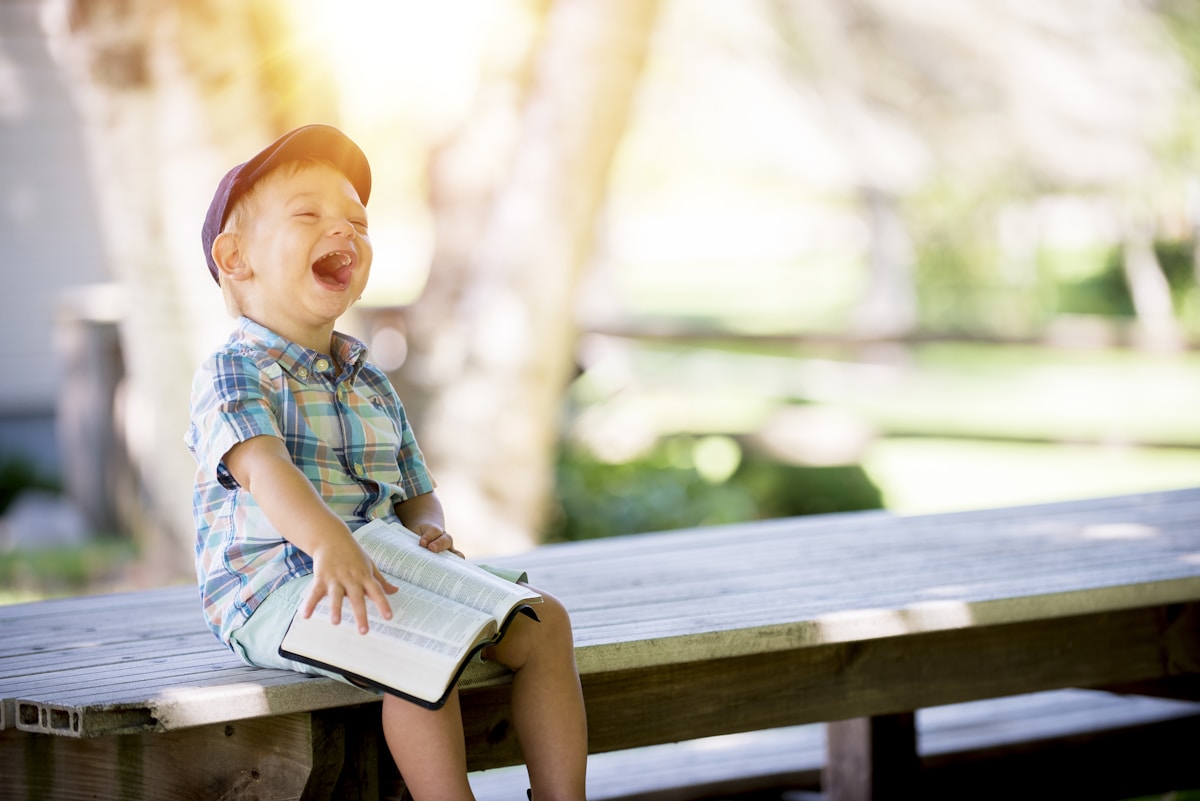
Create cozy reading spaces that invite children to curl up with a book. Soft pillows, good lighting, and comfortable seating make reading appealing. A positive reading experience creates lifelong readers.
Organizing for Learning
Clutter distracts and overwhelms. Keep learning spaces tidy and organized. Regularly sort through materials, donate unused items, and create systems that children can maintain.
Label everything with words and pictures. Labels help children identify materials and develop reading skills simultaneously. Color-coded systems make organization even easier for young children.
Create routines for cleaning up. Make tidying up part of the learning process. Children learn responsibility and organizational skills when they help maintain their learning spaces.
Incorporating Learning into Daily Life
Cooking together teaches math, science, and life skills. Measuring ingredients introduces fractions, mixing demonstrates chemical reactions, and following recipes develops reading and sequencing skills.
Gardening provides hands-on science lessons. Children learn about plant life cycles, ecosystems, and responsibility. Even a small container garden offers rich learning opportunities.
Household chores develop practical skills. Sorting laundry teaches classification, setting the table practices counting, and cleaning teaches responsibility. Make chores educational by discussing the skills involved.
Technology and Learning
Technology can enhance learning when used thoughtfully. Educational apps, websites, and videos supplement hands-on activities. Choose high-quality content that aligns with your child's learning goals.
Set clear boundaries around screen time. Technology should complement, not replace, other learning activities. Balance screen time with physical play, reading, and creative activities.
Use technology to explore interests. If your child loves dinosaurs, find educational videos, games, and virtual museum tours. Technology can extend learning far beyond what's possible with physical materials alone.
Encouraging Curiosity
Answer children's questions with enthusiasm. When children ask "why," they're showing curiosity and a desire to learn. Take questions seriously and explore answers together.
Provide materials that spark curiosity. Magnifying glasses, binoculars, and science kits invite exploration. These tools make children feel like real scientists and explorers.
Follow children's interests. If your child is fascinated by space, provide books, videos, and activities about planets and stars. Interest-driven learning is powerful and lasting.
Social Learning Opportunities
Create opportunities for children to learn with peers. Playdates, co-ops, and group activities provide social learning experiences. Children learn from each other as well as from adults.
Invite friends over for learning activities. Art projects, science experiments, and building challenges are more fun with friends. Social learning develops collaboration skills and makes education enjoyable.
Connect with other families who value education. Share resources, exchange ideas, and support each other. Building a community of learners benefits everyone involved.
Flexible Learning Environments
Adapt spaces to your child's changing needs. A toddler needs different materials than a school-age child. Regularly update your learning environment to match your child's development.
Create portable learning stations. Baskets of books, art supplies, and games can move between rooms. This flexibility allows learning to happen wherever your child feels comfortable.
Use outdoor spaces for learning. A backyard, patio, or balcony can become an outdoor classroom. Nature provides endless learning opportunities that engage all the senses.
Budget-Friendly Solutions
Learning materials don't have to be expensive. Dollar stores, thrift shops, and homemade supplies provide affordable options. Creativity matters more than expensive materials.
Repurpose household items for learning. Cardboard boxes become forts, plastic bottles become bowling pins, and old magazines become collage materials. Children love transforming ordinary objects.
Library resources are invaluable. Books, movies, educational games, and even museum passes are available for free. Libraries also offer programs and events that enhance learning.
Monitoring and Adjusting
Observe how your child uses the learning environment. What activities engage them most? Where do they spend their time? Use these observations to refine your setup.
Ask children for input. What do they want to learn about? What materials do they enjoy? Involving children in creating their learning environment increases engagement and ownership.
Regularly evaluate and adjust. Learning environments should evolve as children grow and interests change. What works today might need updating tomorrow. Stay flexible and responsive.
Learn more about play-based learning for additional insights. Check out our guide on traditional school to explore this topic further. For more details, read our article on learning support.
Creating Joy in Learning
Most importantly, make learning fun. Children learn best when they're enjoying themselves. Incorporate play, humor, and choice into learning activities.
Celebrate learning achievements. Acknowledge effort and progress, not just results. Positive reinforcement motivates continued learning and builds confidence.
Remember that the goal is raising curious, capable, confident learners. A learning-friendly home environment supports this goal by making education a natural, enjoyable part of everyday life.