Environment Is Curriculum
Children absorb their environment. A chaotic, noisy, stressful home affects brain development differently than a calm, organized, peaceful one. The good news: you can transform your home with simple, intentional changes.
The Science of Calm
Chronic noise and chaos elevate cortisol levels in children. High cortisol damages developing neural pathways, affecting attention, behavior, and emotional regulation. A calm environment keeps stress hormones low, allowing the brain to focus on learning and growth.
How to Create Calm
Reduce Noise
Turn off background TV. Use calm music instead. Establish quiet hours. Noise-canceling headphones help during overwhelming moments. A quieter home allows children to think, focus, and regulate.
Declutter
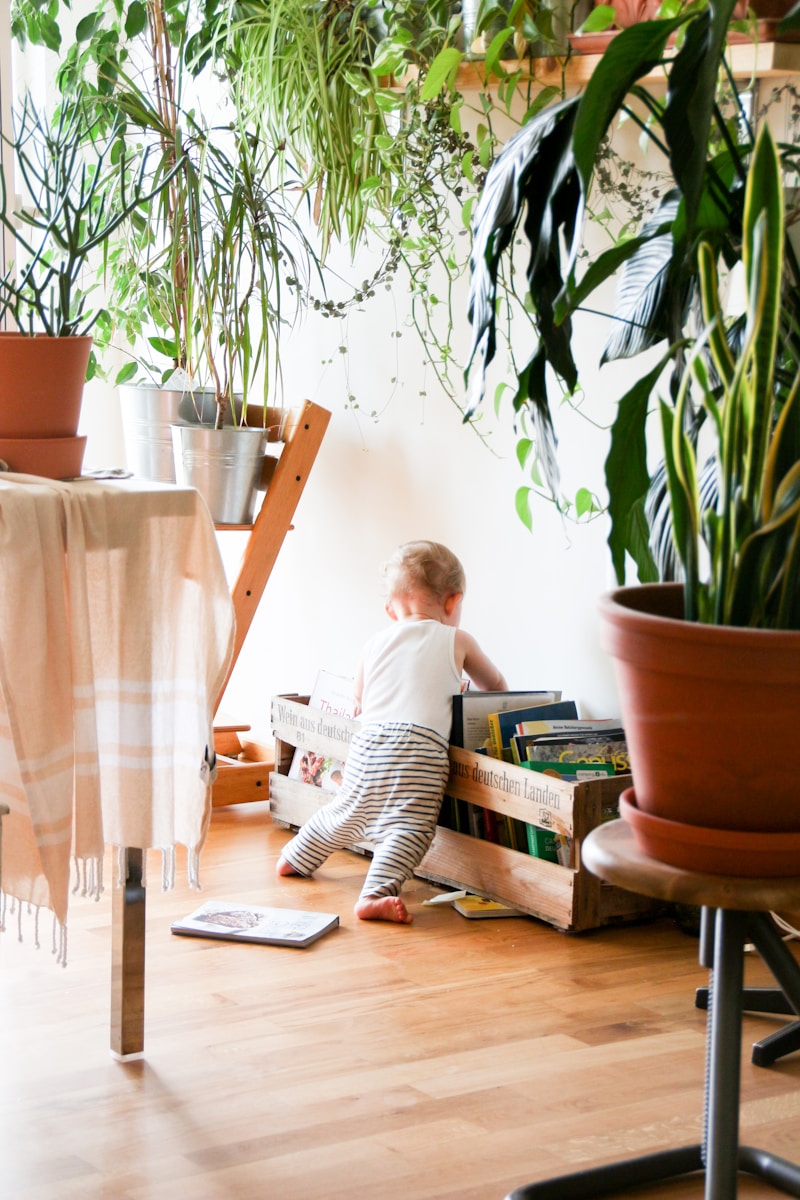
Too many toys overwhelm the brain. Rotate toys regularly (keep 8-12 out, store the rest). An organized space supports organized thinking. Less stuff, more calm.
Create Routines
Predictable routines reduce anxiety. When children know what comes next, they feel safe. Morning routines, meal routines, and bedtime routines create the structure that calm requires.
Designate Calm Spaces
Create a cozy corner with pillows, books, and soft lighting. This is where children go when they need to self-regulate. It's not a timeout "” it's a safe space for emotional management.
Model Calm
Your child learns emotional regulation by watching you. When you stay calm during chaos, you teach them it's possible. Practice deep breathing. Speak softly. Take breaks when needed.
Daily Calm Practices
- Start the day with quiet connection (not rushing)
- Play calm background music during transitions
- End the day with a calming bedtime routine
- Have device-free family time daily
- Spend time outdoors every day
- Practice mindfulness together
Handling Chaos
Life with children is inherently chaotic. Meltdowns happen. Messes accumulate. Plans fall apart. The goal isn't eliminating chaos "” it's maintaining calm within it. Your calm presence during storms teaches children that storms pass.
What to Avoid
- Background TV or radio constantly on
- Too many toys or activities
- Over-scheduling (rushing from activity to activity)
- Yelling as communication
- Clutter and disorganization
Frequently Asked Questions
Can I create calm with multiple children?
Yes, but it takes more intentionality. Individual quiet time, age-appropriate expectations, and realistic routines help. Accept that more children means more noise "” focus on the overall atmosphere.
What if my partner adds to the chaos?
Communication is key. Discuss what calm looks like and agree on shared expectations. Small changes together make big differences.
Calm Is a Choice
A calm home isn't something you have "” it's something you build, daily, through intentional choices. Every small change adds up. Start with one area this week, and build from there.