Homeschooling and traditional school are two very different approaches to education, and choosing between them is one of the biggest decisions parents face. Each option has unique advantages and challenges that deserve careful consideration.
There's no single right answer for every family. The best choice depends on your values, your child's needs, and your family's circumstances. Let's explore both options to help you make an informed decision.
Understanding Homeschooling
Homeschooling means taking primary responsibility for your child's education at home. Parents can choose their own curriculum, set their own schedule, and tailor learning to their child's individual needs. This flexibility is one of homeschooling's greatest strengths.
Homeschooling has grown significantly in recent years. Once associated with a small number of families, it's now a mainstream educational choice. Resources, support groups, and online communities make it easier than ever to homeschool successfully.
Every state has different homeschooling laws. Some require standardized testing or portfolio reviews, while others have minimal requirements. Research your state's regulations before beginning your homeschool journey.
The Traditional School Experience
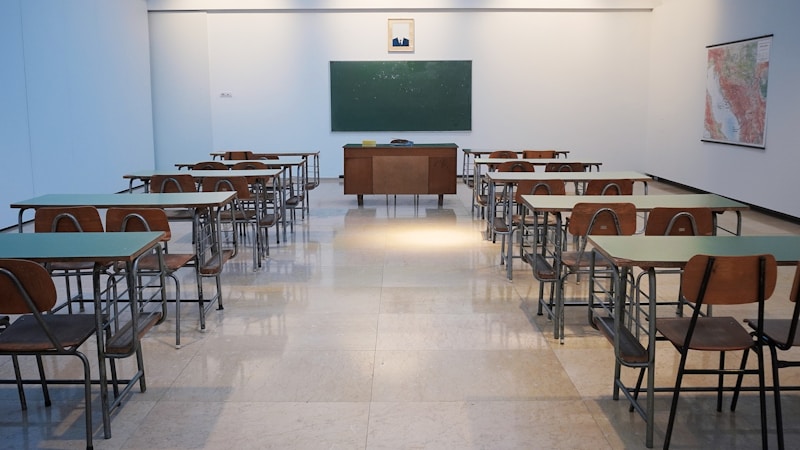
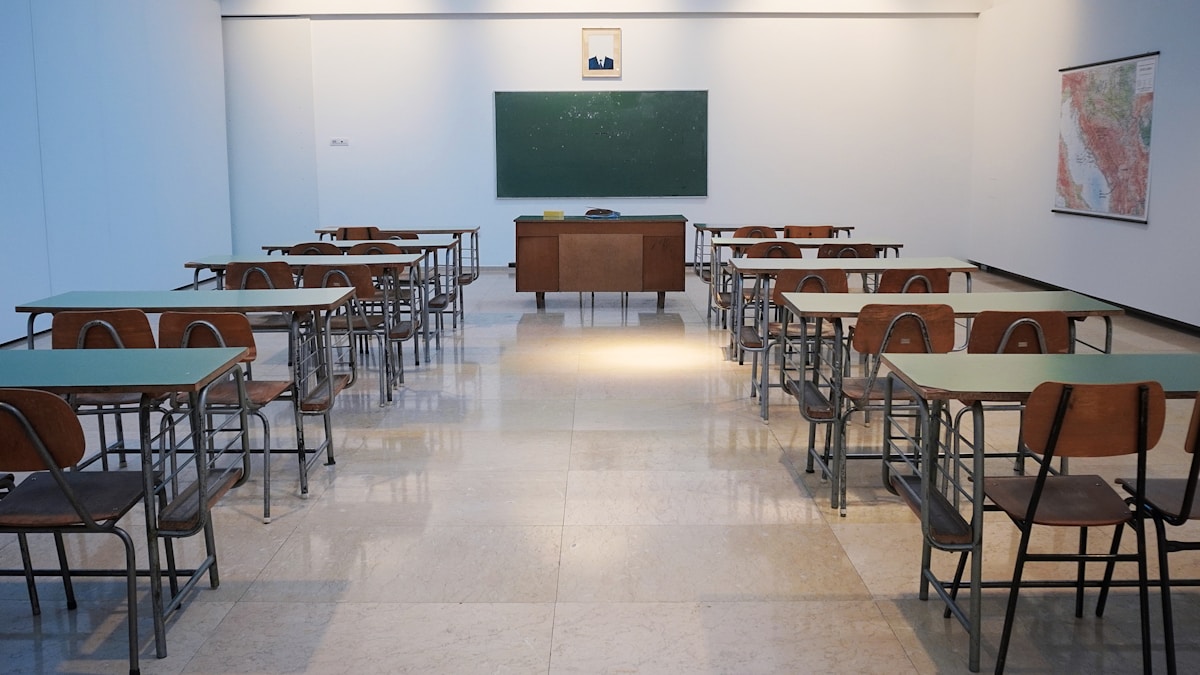
Traditional schools provide a structured environment with trained teachers, established curricula, and social opportunities. Children learn to follow schedules, work with peers, and navigate institutional settings. These experiences prepare them for future academic and professional environments.
Schools offer resources that most families can't replicate at home. Libraries, science labs, art studios, and athletic facilities provide learning opportunities beyond what's possible in a home setting. Special programs for gifted students or those with learning differences are also available.
The social aspect of traditional school is significant. Children interact with diverse peers, learn to resolve conflicts, and develop friendships that can last a lifetime. These social experiences are valuable parts of childhood development.
Academic Considerations
Homeschooling allows for personalized education. If your child excels in math but struggles with reading, you can adjust accordingly. Learning moves at your child's pace, neither holding them back nor pushing them too fast.
Traditional schools follow standardized curricula designed for average learners. Advanced students might feel bored, while struggling students might feel overwhelmed. However, schools increasingly offer differentiation and support services.
Academic outcomes vary for both approaches. Research shows homeschool students generally perform well on standardized tests, but traditional school students also achieve at high levels. The quality of education depends more on implementation than the format.
Social Development
Critics of homeschooling often raise concerns about socialization. However, homeschooled children typically participate in co-ops, sports teams, community activities, and religious groups. They often interact with people of various ages rather than only same-age peers.
Traditional schools provide daily interaction with age-matched peers. Children learn to navigate complex social hierarchies, work in groups, and develop friendships. These experiences are valuable but can also include negative influences like bullying.
Consider your child's personality when evaluating social needs. Introverted children might thrive with the controlled social environment of homeschooling. Extroverted children might prefer the constant peer interaction of traditional school.
Time and Commitment
Homeschooling requires significant time commitment from parents. Teaching multiple subjects, planning lessons, and organizing activities is essentially a full-time job. Even with co-ops and online resources, homeschooling demands substantial parental involvement.
Traditional school provides structured childcare during working hours. This allows parents to maintain careers while ensuring their children receive education. The time commitment is primarily evenings and weekends for homework help and activities.
Consider your family's schedule and resources honestly. Homeschooling works best when at least one parent can dedicate substantial time to education. Traditional school might be more practical for families where both parents work full-time.
Curriculum and Teaching Quality
Homeschooling parents can choose from hundreds of curricula to find what works best for their child. They can supplement with online courses, tutoring, and co-op classes. This customization ensures the education fits the child perfectly.
Traditional schools employ trained teachers with subject expertise. Teachers bring passion, experience, and the ability to adapt instruction in real-time. They also provide accountability and structure that homeschool parents must create themselves.
Both approaches can provide excellent education. The key is matching the curriculum and teaching style to the child's learning needs and the family's educational philosophy.
Special Needs and Learning Differences
Homeschooling can be particularly beneficial for children with special needs. Parents can adapt the environment, pace, and methods to their child's specific requirements. There's no need to fit into a traditional classroom mold.
Traditional schools offer specialized support services. IEPs, speech therapy, occupational therapy, and other services are provided by trained professionals. These resources can be difficult to replicate at home.
Consider your child's specific needs when choosing between options. Some children thrive with the personalized attention of homeschooling, while others benefit from the specialized services available in schools.
Cost Considerations
Traditional public school is free, funded by taxes. Private schools charge tuition that can range from modest to substantial. Homeschooling costs vary widely depending on curriculum choices and activities.
Many homeschool families spend between a few hundred to a few thousand dollars per child annually. This includes curriculum, supplies, and activity fees. Some families homeschool very frugally using free resources.
Factor in opportunity costs. Homeschooling often means one parent works less or not at all. Traditional school allows both parents to work full-time if desired. Consider your family's financial situation carefully.
Flexibility and Lifestyle
Homeschooling offers tremendous flexibility. Families can travel during off-season, pursue interests intensively, and adapt schedules to their lifestyle. This flexibility appeals to many families, including military families and those with unique circumstances.
Traditional schools follow fixed schedules. While this structure provides consistency, it limits flexibility. Vacations must align with school breaks, and activities must work around school hours.
Consider how important flexibility is to your family. Some families thrive with structure, while others prefer the freedom homeschooling provides. Neither approach is better - it depends on your family's values and lifestyle.
Making the Transition
Switching between homeschooling and traditional school is possible but requires planning. Schools may require assessments or documentation of previous learning. Some children adjust easily, while others need time to adapt to the new environment.
Many families use a hybrid approach. Some children attend traditional school part-time while being homeschooled part-time. Others attend school for specific subjects while learning others at home. This flexibility allows families to take advantage of both approaches.
Don't feel locked into one choice. What works for your family now might change as your children grow. Be willing to reassess and adjust your approach based on your child's changing needs.
Support Systems
Homeschooling can feel isolating without a support network. Join local homeschool groups, online communities, and co-ops to connect with other families. These networks provide encouragement, resources, and social opportunities for both parents and children.
Traditional schools provide built-in support through parent organizations, conferences, and teacher communication. These connections help parents stay involved in their child's education and address concerns quickly.
Whatever approach you choose, build a support system. Parenting and educating children is challenging work, and having people to turn to makes a significant difference in your success and well-being.
Learn more about flash cards for additional insights. Check out our guide on preschool schedule to explore this topic further. For more details, read our article on play-based learning.
Trusting Your Instincts
Ultimately, you know your child better than anyone. Trust your instincts about what will work best for their education. Consider the research, talk to other parents, but ultimately make the choice that feels right for your family.
Remember that education is a marathon, not a sprint. The goal is raising curious, capable, kind humans who love learning. Whether that happens at home or in a classroom matters less than the quality of the experience and your involvement as a parent.
Whatever you choose, commit to it fully and give it a fair chance. Education is too important to approach halfheartedly. With dedication and love, both homeschooling and traditional school can provide excellent foundations for your child's future.