When it comes to teaching young children, parents and educators often debate between flash cards and hands-on learning. Both methods have their strengths, and understanding when to use each can make a big difference in how effectively your child learns.
Flash cards and hands-on activities serve different purposes in education. One isn't inherently better than the other - the best choice depends on what you're teaching and how your child learns best.
What Are Flash Cards?
Flash cards are simple tools that present information on one side and the answer or related concept on the other. They're commonly used for memorizing facts, vocabulary, math facts, and basic concepts. The simplicity of flash cards makes them easy to use anywhere.
Flash cards work through repetition. By reviewing the same information multiple times, children commit it to memory. This method is particularly effective for information that needs to be recalled quickly, like multiplication tables or sight words.
The portability of flash cards is a major advantage. You can use them in the car, at waiting rooms, or during quiet time at home. They require no setup and minimal cleanup, making them convenient for busy families.
Understanding Hands-On Learning
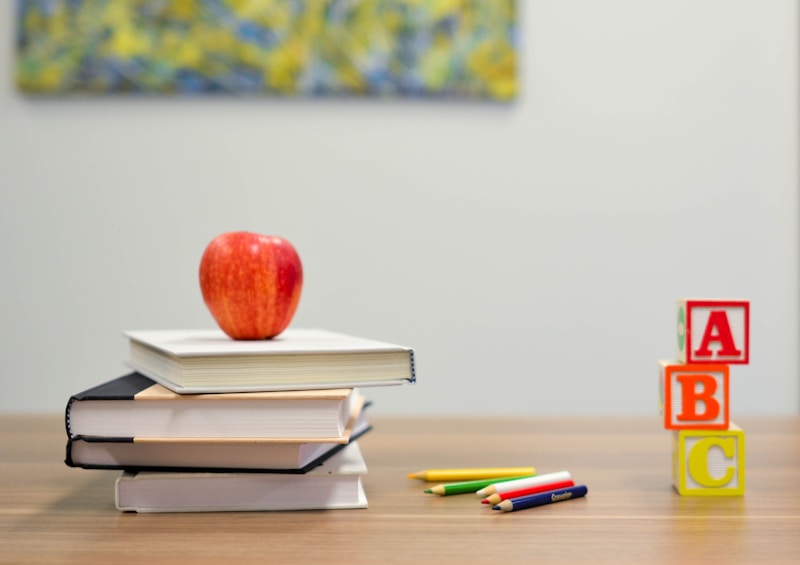
Hands-on learning involves manipulating objects, conducting experiments, and engaging with materials directly. Building with blocks, mixing colors, and sorting objects are all examples of hands-on learning activities.
This approach engages multiple senses simultaneously. When a child builds a tower of blocks, they see the colors, feel the weight, hear the sounds, and use their muscles. Multi-sensory experiences create stronger neural pathways and deeper understanding.
Hands-on learning is inherently meaningful because children connect concepts to real experiences. Instead of memorizing that blocks are square, a child discovers this property through handling and stacking them.
Brain Science Behind Each Method
Flash cards tap into the brain's ability to form associations through repetition. Each time a child sees a card and recalls the answer, the neural pathway becomes stronger. This is why flash cards are effective for building automatic recall.
Hands-on learning activates multiple brain regions at once. Motor cortex controls movement, visual cortex processes what they see, and associative areas make connections between new and existing knowledge. This multi-region activation creates richer, more durable memories.
Young children's brains are particularly suited to hands-on learning. Their prefrontal cortex, which handles abstract thinking, is still developing. Concrete, physical experiences help them understand concepts they can't yet grasp abstractly.
When Flash Cards Work Best
Flash cards excel at teaching discrete facts that need to be memorized. Sight words, letter sounds, number recognition, and vocabulary are ideal flash card material. These are skills that benefit from rapid, automatic recall.
Use flash cards for review and reinforcement after children have already learned concepts through hands-on activities. Once a child understands what a triangle is through building and drawing, flash cards help them recognize and name triangles quickly.
Flash cards also work well for children who enjoy competition or tracking progress. Creating a pile of "known" cards gives children a sense of accomplishment and motivates them to keep practicing.
When Hands-On Learning Shines
Hands-on learning is essential for introducing new concepts. Before children can memorize abstract facts, they need concrete experiences. You can't teach a child about volume through flash cards alone - they need to pour water between different containers and observe what happens.
Complex concepts that involve multiple related ideas benefit from hands-on exploration. Understanding ecosystems requires observing real plants and animals, not just looking at pictures on cards. The richness of real experiences creates deeper understanding.
Children who struggle with traditional learning methods often thrive with hands-on activities. Movement and manipulation help kinesthetic learners process information in ways that sitting and looking at cards cannot.
Combining Both Approaches
The most effective learning often combines flash cards and hands-on activities. Start with hands-on exploration to build understanding, then use flash cards to reinforce and review what children have learned.
For example, teach the concept of "heavy" and "light" by letting children lift objects of different weights. Once they understand the concept through experience, flash cards with pictures of heavy and light objects help them practice the vocabulary.
Create your own flash cards based on hands-on experiences. After a nature walk, make cards with pictures of things you found. This personal connection makes the flash cards more meaningful and memorable.
Age Appropriateness
Young children under four benefit most from hands-on learning. Their brains need concrete experiences to understand abstract concepts. Flash cards can be introduced briefly but shouldn't dominate their learning time.
Children four to six can handle more flash card practice, especially for skills they've already explored hands-on. Keep sessions short - five minutes maximum - and always make it fun.
Older children can use flash cards more extensively, but they still need hands-on experiences for new concepts. The balance shifts toward more abstract learning, but concrete experiences remain important.
Engagement and Enjoyment
Flash cards can become boring if overused. Keep them fresh by turning them into games, using them for scavenger hunts, or letting children create their own cards. Variety prevents flash card fatigue.
Hands-on learning is naturally engaging because it involves movement, choice, and discovery. Children often don't realize they're learning because they're having fun. This intrinsic motivation makes hands-on activities particularly effective.
Pay attention to your child's response to each method. Some children love the structure of flash cards, while others prefer the freedom of hands-on exploration. Respect their preferences while ensuring they get exposure to both approaches.
Building Different Skills
Flash cards build memory, recognition speed, and automatic recall. These skills are important for reading fluency, math fact automaticity, and general knowledge. They also help children develop study habits and self-discipline.
Hands-on learning develops problem-solving, creativity, spatial reasoning, and fine motor skills. Children learn to experiment, make predictions, and draw conclusions. These thinking skills are essential for success in school and life.
Both approaches develop confidence. Flash cards give children a sense of mastery as they progress through decks. Hands-on activities build confidence through creating, building, and discovering. Both types of confidence are valuable.
Practical Tips for Using Flash Cards
Keep flash card sessions short and positive. Five to ten minutes is plenty for young children. End on a positive note, even if your child is struggling. You want them to associate flash cards with success, not frustration.
Make flash cards interactive. Don't just hold them up and ask for answers. Turn them into games, use them for sorting activities, or let your child "teach" you with the cards. Active engagement makes flash cards more effective.
Rotate flash cards regularly. Keep a small stack in use and store the rest. This prevents boredom and ensures children see cards frequently enough to learn them without becoming overwhelmed.
Practical Tips for Hands-On Learning
Provide open-ended materials that can be used in multiple ways. Blocks, art supplies, and natural materials like stones and sticks offer endless possibilities. Open-ended toys develop creativity and problem-solving skills.
Follow your child's lead during hands-on activities. If they're building a tower, talk about balance and stability. If they're mixing colors, discuss what happens when you combine primary colors. Extend their natural curiosity into learning moments.
Create an environment that invites hands-on exploration. Keep materials accessible and create spaces where children can make messes without worry. A well-organized learning space encourages independent exploration.
For more details, read our article on choosing a preschool. Check out our guide on preschool schedule to explore this topic further. Learn more about learning environment for additional insights.
Making the Decision
Consider your child's learning style, the specific skill you're teaching, and your available time and resources. There's no one right answer - the best approach varies by situation.
Remember that children learn through many different methods. Flash cards and hands-on learning are just two tools in your educational toolkit. Use them wisely, combine them effectively, and always keep your child's joy of learning at the center of your approach.
The goal isn't to choose one method over the other but to use each approach where it works best. When you match the teaching method to the learning goal and your child's needs, everyone benefits.