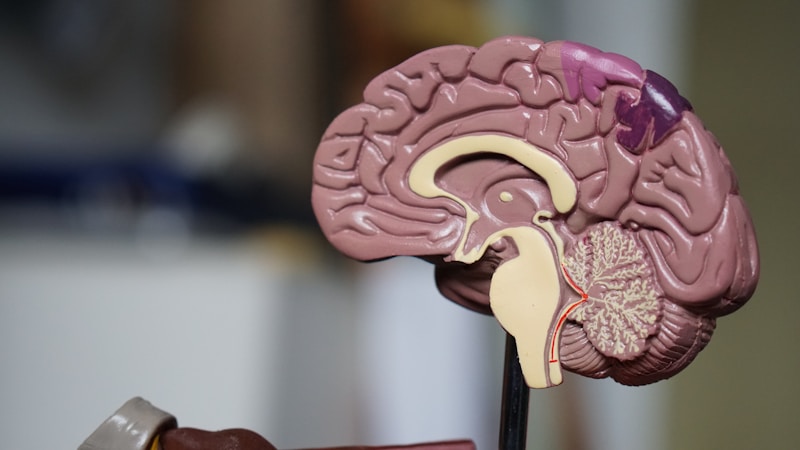

The first five years of your childs life are like a golden window for brain development. During this time, their brain is growing at an astonishing pace, building the foundation for everything they will learn, feel, and become. And the incredible thing is, you have more power to influence this process than you might think.
The Magic of the 0-5 Window
From the moment your baby is born, their brain is wiring itself at breakneck speed. By age three, its already reached about 80 percent of its adult size. By five, its nearly complete. This does not mean you need to cram in academic skills early. It means the experiences your child has during these years, the love, the language, the play, shape the architecture of their brain.
Think of it like building a house. The foundation is being poured right now. If its strong, everything built on top of it will be stable. If its weak, you will spend years trying to fix cracks later. The good news? You are already laying that foundation just by being a present, caring parent.
Responsive Caregiving Changes Everything
When your baby cries and you pick them up, you are not spoiling them. You are teaching them that the world is a safe place and that their needs matter. This kind of responsive caregiving literally shapes how their brain develops. It builds secure attachment, which research consistently links to better emotional regulation, stronger social skills, and even higher academic achievement later on.
Responsive caregiving does not mean being available 24/7 with a smile. It means noticing their cues, responding consistently, and repairing mistakes when you miss those cues. Because you will miss them sometimes. That is okay. What matters is the overall pattern of being attuned to your child.
Language Exposure Is Brain Fuel
Talk to your child. Sing to them. Read to them. Narrate your day. Ask them questions. The more language they hear, the more robust their language centers become. Studies have shown that children who hear more words in their early years have larger vocabularies and stronger comprehension skills.
This is not about using fancy words or correcting their grammar. It is about the volume and quality of interaction. When your toddler babbles at you and you respond with a full sentence, you are creating a conversational loop that builds communication skills. When you read a book together and ask what they think will happen next, you are building critical thinking.
For practical ideas, check out memory-building activities that incorporate language development.
Nutrition Matters More Than You Think
A developing brain needs proper fuel. Omega-3 fatty acids, iron, zinc, choline, and protein are all essential for brain growth. Make sure your child is eating a varied diet with plenty of whole foods. Fish, eggs, nuts, fruits, vegetables, and whole grains are all brain powerhouses.
If your child is a picky eater (and most are), do not panic. Keep offering a variety of foods without pressure. Let them explore textures and flavors at their own pace. Involve them in cooking when possible. Sometimes a child who refuses broccoli at the table will happily eat it when they helped wash it.
Sleep Is When the Magic Happens
Your childs brain does not stop working when they sleep. In fact, sleep is when the brain processes everything from the day, consolidates memories, and strengthens neural pathways. Without adequate sleep, learning and development suffer.
Toddlers typically need 11 to 14 hours of sleep per day, including naps. Preschoolers need 10 to 13 hours. Create a consistent bedtime routine, keep the bedroom dark and cool, and limit screens before bed. For more detail, read our guide on how much sleep your child needs.
Physical Activity Builds Brain Power
Movement is not just good for the body, it is great for the brain. When children run, jump, climb, and dance, blood flow to the brain increases, supporting cognitive development. Physical activity also improves attention, memory, and academic performance.
You do not need structured programs for this. A trip to the park, a dance party in the living room, or a game of chase in the backyard all count. Let your child move freely and often. Their brain will thank you.
Screen Time Guidelines That Actually Make Sense
The American Academy of Pediatrics recommends no screen time for children under 18 months (except video chatting), one hour per day of high-quality programming for ages 2 to 5, and co-viewing with your child whenever possible.
This is not about demonizing screens entirely. It is about being intentional. Choose educational content, watch together and talk about what you see, and make sure screen time does not displace sleep, physical activity, or face-to-face interaction. For a deeper dive, see reducing screen time and how screen time affects brain development.
Creative Play Is Brain Work
When your child draws a picture, builds a tower, or pretends to be a superhero, their brain is doing heavy lifting. Creative play develops problem-solving skills, emotional regulation, and social understanding. It allows children to experiment, make mistakes, and try again without fear of failure.
Provide open-ended materials like crayons, blocks, playdough, and dress-up clothes. Then step back. Let them lead. Resist the urge to direct or correct. The process matters more than the product.
Social Connection Is Essential
Children learn how to navigate the world through their relationships with you and others. When they play with siblings, interact with peers, or spend time with grandparents, they are building social cognition, the ability to understand others thoughts and feelings.
You do not need a packed social calendar. Regular, positive interactions with a few trusted people are enough. Play dates, family gatherings, and community activities all provide opportunities for your child to practice social skills in a supportive environment.
The Power of Early Intervention
If you notice your child is not meeting developmental milestones, do not wait. Early intervention services can make a huge difference. The brain is most adaptable in the early years, so addressing delays early gives your child the best chance of catching up. For signs to watch for, read early signs of brain development problems.
You Are Enough
The pressure to be the perfect parent can be overwhelming. But here is the truth: you do not need expensive toys, fancy curricula, or hours of structured activities. What your child needs most is you. Your attention, your love, your presence. That is what builds a strong brain and a confident, happy child.
Start where you are. Use what you have. Do what you can. Your childs brain development is not about perfection. It is about connection.