
Those first five years really are that important
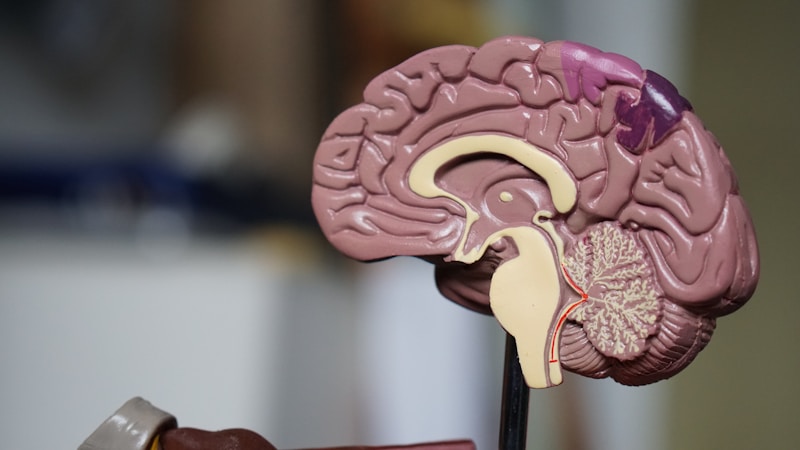
You know how people say the early years matter? They arent kidding. Your childs brain develops more in the first five years than in the entire rest of their life combined. Like, we are talking about some serious construction happening up there.
But heres what makes it even more interesting. Its not just about quantity. Its about the quality of experiences your child has during these years that shapes how their brain is wired. So lets walk through what happens at each stage and what you can do to help.
Birth to 1 year: the world is brand new
When your baby arrives, their brain has about one hundred billion neurons. That sounds like a lot, right? The thing is, those neurons are mostly disconnected. Your babys job during this first year is to start making connections.
Every time your baby hears a sound, sees a face, feels a texture, or tastes something new, neurons fire up and connect. This is why sensory exploration is so important right now. Let your baby touch different fabrics, listen to various sounds, look at colorful objects, and taste safe, appropriate foods.
Language development starts right away too. Even though your baby isnt talking yet, they are soaking up every word they hear. Talk to them constantly. Describe what youre doing. Sing songs. Read board books. The more language they hear, the stronger those language pathways become.
Attachment is huge during this stage. When you respond to your babys cries and meet their needs, youre teaching them that the world is safe and people can be trusted. This builds the foundation for emotional security and confidence later on.
1 to 3 years: the language explosion
If you have a toddler, youve probably noticed they go from saying a few words to forming full sentences seemingly overnight. Thats because between ages one and three, a childs vocabulary can grow from about fifty words to over a thousand.
Their brain is literally creating new language pathways at lightning speed. This is the perfect time to read together, tell simple stories, and have real conversations even if its mostly one sided.
Toddlers are also becoming little scientists. They want to touch everything, take things apart, and figure out how stuff works. Your job is to let them explore while keeping them safe. Yes, it means more messes. But those messes are learning experiences.
Movement becomes increasingly important during these years. Walking, running, climbing, dancing, all of it helps coordinate the brain and body. Outdoor play is especially powerful because it involves so many different movements and sensory experiences.
One thing to watch out for though. Excessive screen time can interfere with brain development during this critical period. The American Academy of Pediatrics recommends no screens except video chatting for children under eighteen months, and limited screen time for toddlers. Our guide on reducing screen time has some great strategies for this age group.
3 to 5 years: social and emotional growth takes center stage
Preschool years are when your child really starts to understand themselves and others. They begin to recognize that other people have feelings and opinions too. This is empathy developing in real time.
Executive function skills start emerging more strongly during this period. Things like taking turns, following rules, managing big emotions, and planning ahead. These skills are foundational for school success and lifelong learning.
Imaginative play reaches new heights during these years. Your four year old having a tea party with stuffed animals? Thats not just cute. Thats advanced cognitive work. They are practicing social roles, language, creativity, and emotional regulation all at once.
Pre literacy and pre math skills develop naturally through play and everyday activities. Counting stairs, noticing patterns, recognizing letters on signs, sorting objects by color, all of these are laying the groundwork for formal learning.
This is also a great age to consider structured learning opportunities. Curious about brain development classes near you? Programs that combine play based learning with social interaction can be wonderful for this age group.
Why early experiences matter so much
Think of your childs brain like a house being built. The foundation gets laid in the first five years. If that foundation is solid, everything built on top of it is more stable. If its shaky, you might see issues later on with learning, behavior, or emotional regulation.
This doesnt mean your child is destined for problems if their early years were tough. Brains are incredibly adaptable. But giving your child the best possible start during these years does set them up for success.
Positive early experiences create what scientists call cognitive reserve. Its like having a backup generator for the brain. When your child faces challenges later in life, that reserve helps them adapt and overcome more easily.
What you can do at each stage
For babies, focus on responsive caregiving. Respond to their cues, provide plenty of physical contact, and create a warm, loving environment. Talk and sing to them constantly.
For toddlers, encourage exploration and movement. Read together daily. Limit screen time. Offer simple choices to build decision making skills. Set gentle, consistent boundaries.
For preschoolers, support their social and emotional growth. Help them name and understand their feelings. Encourage cooperative play with other children. Read more complex stories and ask questions about them. Let them be creative without worrying about the outcome.
Everyday moments are the best teachers
You dont need flashcards or expensive programs. The most powerful brain building activities happen in everyday moments. Cooking together teaches math and science. Grocery shopping builds vocabulary. A walk around the neighborhood offers endless opportunities for observation and conversation.
Even challenging moments are learning opportunities. When your child has a meltdown because they cant do something, and you help them through it, you are teaching emotional regulation. When they have to wait their turn, they are building patience and self control.
The key is consistency and connection. Show up every day. Engage with your child. Follow their lead. And trust that you are doing enough. Your childs brain is amazing, and your love and attention are exactly what it needs to thrive.