Your childs brain is doing incredible things right now
Have you ever watched your little one figure out something new and thought, how did they just do that? Theres a whole world of activity happening inside their head, and honestly, its pretty amazing. Brain development in children is one of those things that sounds complicated but once you get the basics, it all starts to make sense.
Lets break it down together, shall we?
Left brain, right brain, its all connected
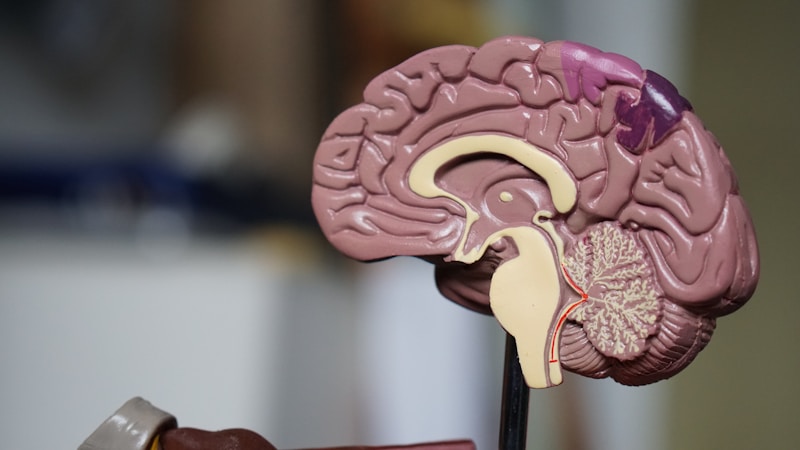
Youve probably heard people say someone is left brained or right brained. Heres the thing though, both sides of your childs brain are working together like a team. The left side handles language, logic, and those step by step processes. The right side deals with creativity, emotions, and seeing the big picture.
When your kid is singing a song while drawing a picture, both hemispheres are firing up and chatting with each other. Pretty cool, right? The connections between the two sides grow stronger through everyday experiences, especially during those early years.
Neural connections are happening FAST
Here is something that might blow your mind. Your childs brain forms about one million new connections every single second during the first few years of life. Thats not a typo. One million. Every. Second.
These connections, called synapses, are like tiny roads being built between different parts of the brain. The more experiences your child has, the more roads get built. And the roads they use most often? Those become the superhighways.
This is why building good habits early on matters so much. The patterns you help your child establish now are literally shaping how their brain is wired.
Critical periods you should know about
There are certain windows of time when your childs brain is extra receptive to learning specific skills. Scientists call these critical periods. For language, its birth to about age five. For vision, its the first year. For emotional regulation, it spans several years starting in toddlerhood.
Does this mean if you miss the window its game over? Not at all. The brain remains flexible throughout life. But these early periods are when learning comes naturally, like your child is primed for it. This is exactly why starting preschool at the right time can make such a difference.
Environment shapes the brain more than you think
Genetics give your child a starting point, but environment does the heavy lifting. A loving, stimulating home where a child feels safe? That brain is going to thrive. A stressful, neglectful environment? That can actually change how the brain develops.
Stress isnt all bad though. Healthy stress like learning to share a toy or dealing with a small disappointment helps build resilience. Its toxic, ongoing stress that causes problems. The kind that makes a child feel unsafe or unloved.
So what does a brain friendly environment look like? Lots of talking, playing, reading, and singing. Opportunities to explore safely. Consistent routines. And tons of affection. You dont need expensive toys or fancy programs. Your presence and engagement are the most powerful tools you have.
Nutrition fuels the whole operation
Your childs brain uses about sixty percent of their total energy intake. That means what they eat directly affects how their brain works. Omega three fatty acids found in fish, nuts, and seeds are like premium fuel for brain cells. Iron helps carry oxygen to the brain. Protein builds the actual brain tissue.
Breastfeeding in the first year provides some amazing brain boosting nutrients. After that, a balanced diet with plenty of fruits, vegetables, whole grains, and lean proteins keeps things running smoothly.
Dont forget about water either. Even mild dehydration can affect concentration and mood. Keep that water bottle handy throughout the day.
Sleep is when the magic happens
When your child sleeps, their brain is busy sorting through everything they learned that day. Its like a librarian organizing all the new information into the right shelves. Without enough sleep, that organizing process gets disrupted.
Toddlers need about eleven to fourteen hours of sleep including naps. Preschoolers need ten to thirteen hours. School age kids need nine to twelve hours. And teens still need eight to ten hours.
If your little one is having trouble catching enough Zs, check out our guide on how much sleep children actually need. You might find some helpful tips there.
Play is not just fun, its brain building
Theres a reason play is called the work of childhood. When kids play, theyre experimenting, problem solving, and learning about cause and effect. Building with blocks teaches spatial reasoning. Playing pretend develops social skills and language. Running around strengthens the connection between body and brain.
Unstructured play where kids make up their own rules and activities is especially powerful. Its where creativity and independent thinking really blossom. So resist the urge to schedule every minute of your childs day. Let them be bored sometimes. Thats usually when the most creative ideas pop up.
What you can do starting today
Here are some simple, practical things you can do to support your childs brain development:
Talk to your child constantly, even before they can respond. Narrate what youre doing, describe what you see, ask questions. This builds language connections like crazy.
Read together every day. It doesnt have to be a whole book. Even looking at pictures and making up stories helps.
Encourage physical activity. Dancing, jumping, climbing, crawling, all of it helps the brain develop.
Lets your child make choices. What to wear, what to eat for a snack, which game to play. Decision making strengthens executive function skills.
Be responsive when your child needs you. When they cry and you comfort them, youre teaching their brain that the world is a safe place. Thats building confidence and emotional security that lasts a lifetime.
Remember, you dont have to be perfect. You just have to be present. Your childs brain is resilient and adaptable. Show up with love, provide opportunities to learn and play, and watch them grow. Youre doing better than you think.