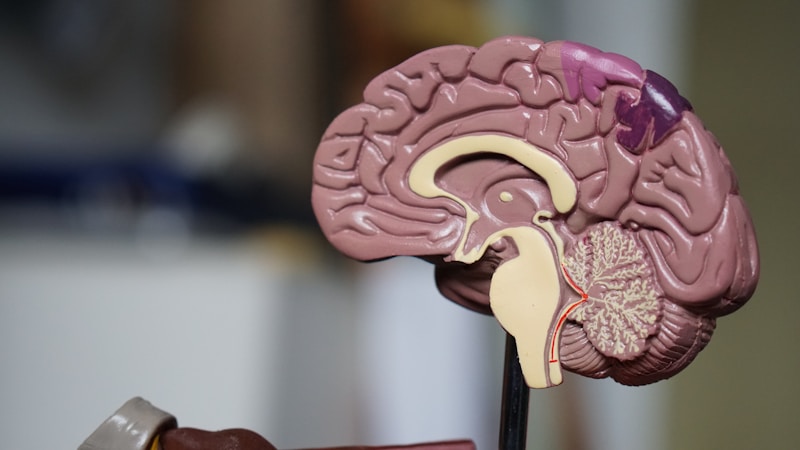

Your childs brain is doing some seriously incredible work right now. Like, literally building itself, connecting neurons, forming pathways that will shape how they learn, think, and feel for the rest of their lives. And the best part? You dont need fancy gadgets or expensive programs to help it happen. Your home, your daily routines, and your love are the most powerful tools youve got.
Why the Early Years Matter So Much
Between birth and age five, your childs brain is forming more than a million neural connections every single second. Thats not a typo. Every second. This rapid growth is why what you do at home during these years has such a massive impact. Its not about drilling flashcards or pushing academics. Its about the everyday moments that feel ordinary but are actually extraordinary.
Research shows that children who grow up in nurturing, responsive environments tend to have stronger brain architecture. That means better problem-solving skills, better emotional regulation, and better ability to handle whatever life throws at them. And guess what? Youre already doing half of this without even realizing it.
Talking to Your Kids (A Lot)
Conversations matter more than you think. When you talk to your child, even before they can talk back, you are literally building language centers in their brain. Narrate your day. Ask questions. Respond to their babbles and gestures like they are having a real conversation with you.
Its not about using big words or fancy vocabulary. Its about the back and forth. When your toddler points at a dog and says dog, and you respond with Yeah, thats a big brown dog! What do you think its doing? You are creating pathways for communication, critical thinking, and social connection all at once.
Even during mundane tasks like grocery shopping or cooking dinner, keep talking. Describe what you see. Ask what they think. Let them contribute. This kind of engagement is brain food at its finest.
Play Is Not Just Fun, Its Essential
Play is how kids make sense of the world. When they stack blocks and they fall over, they are learning about gravity. When they pretend to cook dinner in their little kitchen set, they are practicing problem-solving and social roles. When they run around outside, they are building coordination and spatial awareness.
You dont need to structure every play session. Let them lead. Follow their curiosity. If they want to spend an hour examining bugs in the backyard, let them. That curiosity is gold for brain development. Your job is just to be there, encouraging and occasionally asking questions.
Open-ended toys like blocks, art supplies, and dress-up clothes are fantastic because they dont dictate how to play. The child decides. And when a child decides, their brain is doing the heavy lifting of creativity and innovation.
Reading Together Every Day
Reading to your child is one of the single best things you can do for their brain. It builds vocabulary, comprehension, and a love of stories that will serve them forever. But here is the thing, it doesnt have to be a perfect read-aloud session. Point at pictures. Ask them to predict what happens next. Let them turn the pages. Make funny voices.
Even if you only have five minutes before bed, thats enough. Consistency matters more than length. And if they want to read the same book twenty times in a row? Thats actually great for learning. Repetition helps cement those neural pathways.
If you are looking for ideas, check out ways to boost your childs memory which includes some fun reading strategies.
Movement and Physical Activity
Brains and bodies are deeply connected. When kids move, blood flow increases to the brain, helping it grow and develop. Running, jumping, climbing, dancing, all of it helps. You dont need organized sports or classes (though those are great too). A trip to the park, a dance party in the living room, or just chasing each other around the house counts.
Physical activity also helps with focus and attention. If your child struggles to sit still (which is totally normal for young kids), more movement might actually help them concentrate better when it is time to focus. The brain needs movement to regulate itself.
Sleep Is Non-Negotiable
During sleep, your childs brain processes everything they learned during the day. It consolidates memories, repairs neural pathways, and prepares for new learning. Without enough sleep, all those wonderful conversations, play sessions, and reading moments lose some of their power.
Young children need between 10 and 14 hours of sleep depending on their age. Create a consistent bedtime routine. Keep screens out of the bedroom. Make the environment calm and comfortable. For more on this, check out how much sleep your child actually needs.
Emotional Safety Is Brain Safety
A brain that feels threatened cannot learn effectively. When a child feels safe, loved, and supported, their brain is open to exploring, learning, and growing. When they feel stressed or anxious, their brain goes into survival mode, and all those higher-level thinking skills take a back seat.
This doesnt mean you have to be perfect. You will lose your temper. You will have hard days. What matters is the overall pattern. Are you responsive to their needs most of the time? Do they know you love them unconditionally? Are they allowed to express emotions without judgment? If yes, their brain is in good hands.
Building confidence is part of this too. When children believe in themselves, they take more risks, try new things, and bounce back from failures. Learn more about building your childs confidence in our detailed guide.
Nutrition Feeds the Brain
What your child eats directly impacts how their brain develops. Omega-3 fatty acids found in fish, nuts, and seeds are essential for brain growth. Iron supports cognitive development. Protein helps build neurotransmitters. And good old fruits and vegetables provide the antioxidants that protect the brain.
You dont need to become a gourmet chef. Focus on whole foods, limit processed sugar, and make sure they are eating a variety of nutrients. Involve them in meal prep when possible. Let them help stir, wash vegetables, or choose between two healthy options. This builds independence and healthy habits.
The Bottom Line
Supporting your childs brain development at home is not about adding more to your to-do list. Its about being intentional with what you are already doing. Talk to them. Play with them. Read to them. Feed them well. Let them sleep. Make them feel safe and loved.
These everyday moments are building the foundation for a lifetime of learning and well-being. And honestly, they are the moments you will both treasure the most. For more ideas on activities you can do together, explore simple brain development activities you can start today.