So many things to know, lets make it simple
Parenting comes with a lot of questions. And when it comes to your childs brain development, those questions can feel extra overwhelming. What milestones should they be hitting? Are they learning fast enough? What can you do to help?
Take a deep breath. We are going to walk through everything you need to know about early childhood brain development in a way that actually makes sense. No medical jargon, no unnecessary worry, just real talk about your childs growing brain.
The brain development timeline
Your childs brain follows a pretty predictable timeline, though every kid develops at their own pace. Knowing the general sequence helps you understand what to expect.
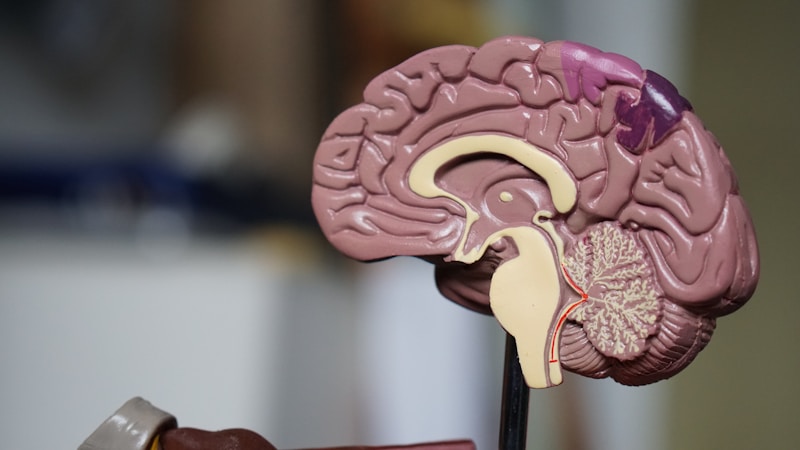
During pregnancy, the brain forms from a simple tube into a complex organ with billions of neurons. By the time your baby is born, their brain is about seventy five percent of its adult size.
In the first year, sensory and motor areas develop rapidly. Your baby is learning to see, hear, touch, and move their body. Language areas start developing too, though it takes a while before words start flowing.
From ages one to three, language explodes and basic cognitive skills emerge. Your toddler is figuring out cause and effect, object permanence, and basic problem solving. They are also developing emotional regulation, though lets be real, tantrums are still pretty common.
Between three and five, higher order thinking skills develop. Planning, reasoning, and social understanding all grow significantly during the preschool years. This is also when right brain training techniques can be especially effective.
Milestone expectations: whats normal?
Heres a truth that will save you a lot of anxiety. There is a wide range of normal when it comes to child development. Some kids walk at nine months, others at fifteen. Some read at four, others at six. Both are perfectly fine.
General milestones to know include smiling by two months, sitting up by six months, first words by twelve months, walking by eighteen months, and two word sentences by two years. By age five, most kids can count, draw simple pictures, follow multi step instructions, and play cooperatively with other children.
If your child seems significantly behind on multiple milestones, its worth mentioning to your pediatrician. But remember, one late milestone doesnt usually indicate a problem. Kids develop unevenly, sometimes focusing all their energy on one area while lagging in others.
The role of play in brain development
Play is how children learn. Theres no substitute for it. No amount of worksheets or educational apps can replace the brain building power of good old fashioned play.
Physical play like running, climbing, and jumping strengthens the connection between the brain and body. It also helps with balance, coordination, and spatial awareness.
Social play with other children teaches cooperation, negotiation, conflict resolution, and emotional regulation. These are skills that cant be taught from a book. They have to be practiced in real time with real people.
Creative play like drawing, building, and pretend play develops imagination, problem solving, and flexible thinking. When your child builds a tower of blocks that keeps falling, they are learning about physics, engineering, and persistence all at once.
If you are wondering about the best brain development classes for your child, look for programs that prioritize play based learning over rote memorization.
Nutrition essentials for growing brains
Your childs brain is a hungry organ. It needs the right fuel to develop properly. Here are the key nutrients to focus on.
Iron helps carry oxygen to the brain. Low iron levels are linked to learning difficulties and behavioral problems. Good sources include lean meats, beans, fortified cereals, and dark leafy greens.
Omega three fatty acids support brain cell structure and function. Found in fatty fish like salmon, as well as walnuts, flaxseed, and chia seeds. If your child isnt a fish fan, consider a quality supplement.
Calcium and vitamin D support overall brain health. Dairy products, fortified plant milks, and sunlight exposure help with these. Zinc and iodine are also important for brain development and can be found in a variety of foods.
And dont forget the basics. A balanced diet with plenty of fruits, vegetables, whole grains, and lean proteins covers most nutritional needs. Keep processed foods and sugary snacks to a minimum. Too much sugar can actually interfere with learning and memory.
Sleep: the unsung hero of brain development
If theres one thing that affects your childs brain more than people realize, its sleep. During sleep, the brain processes information from the day, consolidates memories, and clears out waste products.
Poor sleep affects everything. Attention, mood, behavior, learning, and even physical growth. Kids who dont get enough sleep often have trouble concentrating in school, experience more meltdowns, and are more prone to getting sick.
Good sleep hygiene makes a huge difference. Consistent bedtimes, a calming bedtime routine, a cool dark room, and limited screen time before bed all help. If you are unsure about how much sleep your child needs, our guide on childrens sleep requirements breaks it down by age.
When to seek help
Trust your instincts. If something feels off, its worth getting it checked out. Signs that might indicate a developmental concern include not responding to sounds or voices by six months, not babbling by twelve months, not walking by eighteen months, not using two word sentences by two years, and significant loss of skills at any age.
Early intervention is powerful. The sooner a developmental delay is identified, the more effective interventions tend to be. Services like speech therapy, occupational therapy, and developmental support can make a real difference when started early.
Check out our article on signs of delayed brain development for more detailed information about what to watch for.
Building strong foundations
Think of your role as a parent during these early years as laying the foundation for a building. You dont have to build the whole structure yourself. You just have to make sure the ground is solid.
That means providing love and security. Offering opportunities for learning through play. Ensuring good nutrition and sleep. Limiting screen time. And being present and engaged with your child.
You also need to take care of yourself. Parenting is exhausting, and you cant pour from an empty cup. Ask for help when you need it. Take breaks. Remember that perfection isnt the goal. Consistency and love are.
Your childs brain is remarkable. Its designed to grow and learn with your support. You dont need to be a perfect parent. You just need to be a good enough one. And the fact that you are reading this article tells me you are exactly that.