There's a billion dollar industry built on convincing parents that their kids need special programs, expensive apps, and expert classes to develop well. And while some of those things can help, the truth is that the most powerful brain-building activities are completely free, completely normal, and completely within your reach.
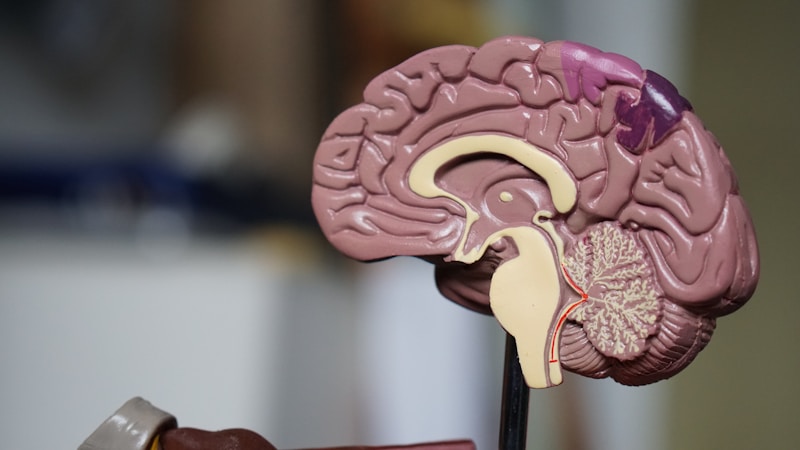
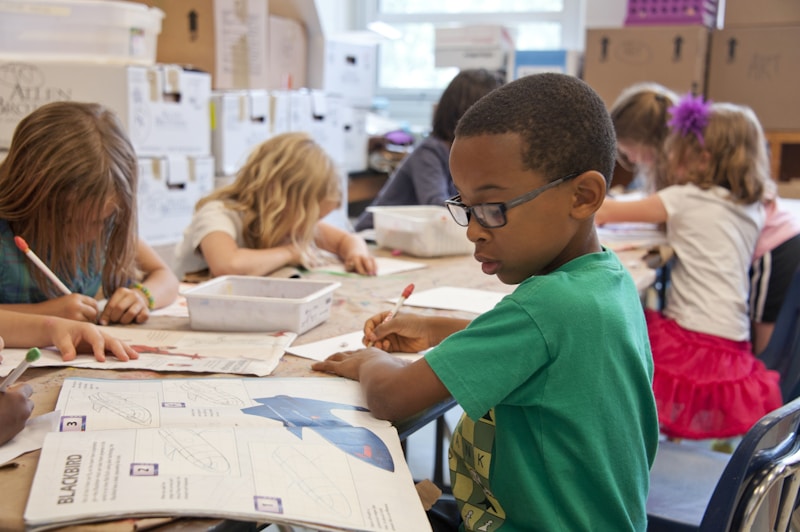
Your child's brain develops best through everyday interactions and experiences. The connections they form while playing with you, exploring the world, and just being a kid are far more valuable than any flashcard set. Here are 10 simple ways you can support your child's learning starting today.
1. Talk More Than You Think You Need To
Language is the foundation of brain development. The more words a child hears, the stronger their language skills become, and language skills are linked to everything from reading ability to social competence to abstract thinking.
You don't need deep philosophical conversations with your toddler. Just narrate what you're doing as you go about your day. I'm putting the red shirt in the washing machine. Let's add some soap. Now we push this button and it starts spinning. This kind of running commentary exposes kids to vocabulary and sentence structures they wouldn't encounter otherwise.
Talk during car rides, while cooking, while grocery shopping. Ask questions and actually listen to the answers. When kids feel heard, they develop both language skills and self-confidence.
2. Read Together Every Single Day
If there's one thing on this list you absolutely should do, it's this. Reading to and with your child is the single most powerful thing you can do for their brain development. Period.
Reading builds vocabulary, improves attention span, develops imagination, strengthens the parent-child bond, and introduces concepts that kids might not encounter in their daily lives. Start from birth, even if your baby doesn't understand the words. The sound of your voice and the experience of being held while looking at pictures is valuable.
As kids grow, let them choose books they're interested in. Don't worry about reading the same book a hundred times. Repetition builds familiarity and confidence. For tips on creating a reading-friendly environment, check out our post on improving your child's memory.
3. Play Outside as Much as Possible
Outdoor play isn't just about exercise. Nature is a sensory wonderland that stimulates the brain in ways that indoor environments can't match. The varied textures, smells, sounds, and sights engage multiple brain systems at once.
Climbing a tree develops spatial awareness. Collecting leaves teaches classification skills. Playing in a sandbox involves engineering and creativity. Even just running around helps regulate emotions and improve focus.
Research shows that children who spend more time outdoors have better attention spans and improved academic performance. You don't need a fancy playground. A backyard, a park, or even a sidewalk with chalk is enough.
4. Limit Screen Time Thoughtfully
This doesn't mean eliminating screens entirely. But being intentional about screen time makes a big difference. Set clear boundaries around when and how long screens can be used.
Focus on quality over quantity. An hour of interactive, educational content is better than three hours of passive scrolling. Make sure screens aren't replacing the other activities on this list. Our post on reducing screen time has practical strategies that don't feel like punishment.
5. Prioritize Sleep
Sleep is when the brain does its most important work. During sleep, the brain consolidates memories, processes emotions, and strengthens neural connections. Without adequate sleep, all the other brain-building activities on this list are less effective.
Make sleep a non-negotiable part of your family routine. Set consistent bedtimes, create a calming bedtime routine, and keep screens out of bedrooms. Check out our guide on how much sleep your child needs to make sure you're hitting the right targets.
6. Feed Their Brains Well
The brain is an energy-hungry organ, and what kids eat directly affects how it functions. A diet rich in fruits, vegetables, whole grains, lean proteins, and healthy fats provides the nutrients the brain needs to develop well.
Omega-3 fatty acids, found in fish, nuts, and seeds, are particularly important for brain development. Iron supports cognitive function. And staying hydrated matters too, even mild dehydration can affect attention and mood.
You don't need perfect meals. Just aim for a variety of nutritious foods and model healthy eating habits yourself.
7. Sing Songs and Make Music
This one might surprise you, but music is incredibly powerful for brain development. Singing activates multiple brain areas at once, including those responsible for language, memory, emotion, and motor coordination. It's like a full brain workout disguised as fun.
Sing in the car, sing during bath time, sing while doing chores. It doesn't matter if you can't carry a tune. Your child cares about the shared experience, not your vocal abilities. Playing simple instruments like drums or shakers develops fine motor skills and creative expression.
8. Do Art Without Rules
Art isn't about creating masterpieces. It's about the process. When kids draw, paint, sculpt, or collage, they're developing fine motor skills, spatial awareness, and creative thinking.
The key is to make art about the experience, not the outcome. Don't tell them what to draw. Give them materials and let them explore. Keep supplies accessible, paper, crayons, markers, paint, glue, so kids can create spontaneously.
9. Build Things Together
Building is problem solving in action. Whether it's blocks, LEGOs, cardboard boxes, or sticks and stones, constructing things develops spatial reasoning, planning skills, and creative thinking.
When you build alongside your child, you're modeling how to approach challenges and how to recover from mistakes. Don't feel like you need expensive building sets. A stack of cardboard boxes can become a castle, a spaceship, or a secret hideout.
10. Be Present
This is probably the most important thing on the list, and it's also the simplest. Just be there. Put down your phone, make eye contact, and engage with your child. Your focused attention is one of the most powerful brain-building tools in existence.
When you play with your child, you're teaching them social skills and emotional regulation. When you listen to their stories, you're building their language skills and self-confidence. When you're simply present, you're creating the sense of security that allows healthy development to flourish.
Sometimes being present means sitting nearby while your child plays independently, ready to engage if they want you but not hovering. That balance builds confidence and resilience. For more on this, check out our guide on how to build your child's confidence.
Putting It All Together
You don't need to do all 10 of these things every single day. The point is to make these activities a regular part of your family's life. Some days you might read three books and cook together. Other days you might spend hours outside. It all adds up.
The most important thing is to enjoy these experiences with your child. Brain development isn't a project to be completed. It's a natural process that happens best in warm, loving relationships. When you're having fun together, you're building your child's brain.
Looking for structured support? Explore our post on the best age to start preschool for more on when to expand your child's learning environment.