Why Your Kid Needs a Daily Brain Workout
Think about your own brain for a second. If you sit at a desk all day without moving, you feel sluggish and foggy, right? Now imagine you're a kid whose brain is still under construction. That brain needs daily exercise just as much as your body does.
A daily brain workout for kids isn't about drilling flashcards or forcing homework. It's about incorporating activities that challenge the mind and keep it sharp. Think of it as mental cross-training. Variety is the key, and consistency is the secret sauce.
The Five Pillars of Brain Fitness
Just like physical fitness has different components (strength, flexibility, endurance), brain fitness has its own key areas. A good daily workout should touch on at least a few of these pillars.
Memory Training
Memory is the foundation of learning. Without it, kids can't build on previous knowledge or develop new skills. Memory exercises can be as simple as remembering a grocery list or as fun as playing memory card games.
Attention and Focus
In a world full of distractions, the ability to focus is a superpower. Activities that require sustained attention, like puzzles or reading, help strengthen this crucial skill. The more your child practices focusing, the better they'll get at it.
Morning Brain Workout Ideas
Mornings are a great time for a brain workout because the mind is fresh. Here are some ideas that work well before school or on weekend mornings. They take anywhere from 5 to 20 minutes.
The Morning Puzzle
Keep a puzzle book or app handy for quick morning challenges. Crosswords, word searches, Sudoku, or logic puzzles all get different parts of the brain working. Start with easy ones and gradually increase difficulty as your child's skills improve. You might also like this related article.
Spelling Challenge
Give your child five words to spell each morning. Mix it up with sight words, vocabulary words from school, or fun words they choose themselves. Make it a game rather than a test. Nobody likes being tested first thing in the morning.
After-School Brain Refresh
After a long day at school, kids often need a brain break before diving into homework or activities. But this can also be a great time for a quick brain workout that refreshes and refocuses the mind.
The Highlight Reel
Have your child tell you about three things they learned that day. This exercises memory recall and helps consolidate learning. Plus, it gives you a window into what's happening at school. Win-win.
Quick Math Challenge
A few minutes of mental math can wake up the brain after school. Start with simple addition and subtraction and work up to more complex problems. Make it a race against the clock for extra excitement (or keep it low-key if your child gets anxious about timed activities).
Evening Brain Wind-Down
Evenings might seem like an odd time for brain exercise, but a gentle mental workout can actually help kids relax and prepare for sleep. The key is choosing calming activities that engage the mind without overstimulating it.
Storytelling Time
Take turns making up a story. One person starts with a sentence, and the other adds to it. This exercises creativity, memory, and language skills while also being a lovely bonding activity. Some of our best family stories have come from these impromptu sessions. You might also like our guide on this topic.
Gratitude Reflection
Have your child think of three things they're grateful for today. This might sound simple, but it exercises emotional intelligence and positive thinking. It also helps kids develop a habit of looking for the good in their day.
Weekly Brain Challenges
In addition to daily workouts, consider adding weekly brain challenges that require more sustained effort. These longer activities help build perseverance and deeper thinking skills.
Research continues to show that the early years of a child's life are critical for establishing patterns that last a lifetime. The neural pathways being formed right now will serve as the foundation for all future learning, behavior, and health. This isn't meant to pressure you. It's meant to empower you. Every positive choice you make today is an investment in your child's future. And the beautiful thing is that children are incredibly resilient and adaptive. Even small changes can yield remarkable results over time.Many parents wonder how to get started with this, and honestly the best approach is to begin with small, manageable steps. You don't have to overhaul your entire routine overnight. Pick one or two strategies from this guide and implement them this week. Once those feel natural, add another. This gradual approach prevents burnout and makes lasting change more likely. Your child won't even notice the shift, but their brain will benefit enormously from the consistency.
It's also worth mentioning that every child develops at their own pace, and comparison is the thief of joy. Your neighbor's kid might be reading at age three, while yours is still working on letters. That's fine. Development isn't a race, and there's no prize for getting there first. What matters is that your child is making progress, however slow that progress might be. Celebrate the small wins, enjoy the journey, and trust that your child will get where they need to be in their own time.
The Weekly Project
Give your child a project that takes several days to complete. It could be building a model, learning a new skill, or researching a topic they're interested in. Projects teach planning, persistence, and problem-solving.
Learning Something New
Each week, introduce your child to something completely new. A new game, a new skill, a new topic. Novelty is great for the brain because it creates new neural pathways and keeps learning exciting.
Making It a Family Affair
Brain workouts are more effective and more fun when the whole family participates. When kids see their parents exercising their brains, they're more likely to value and engage in mental fitness.
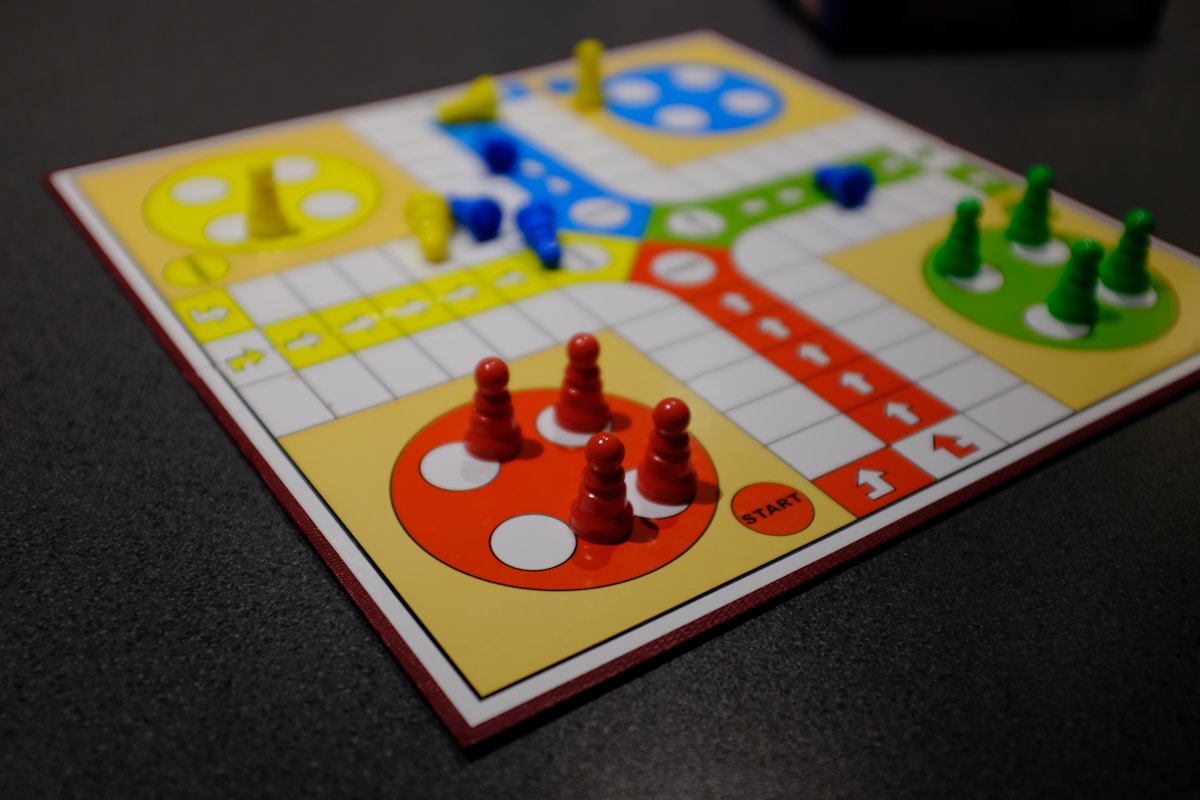
Family game night, group puzzles, and shared reading time are all excellent ways to make brain exercise a family activity. It's also a great excuse to spend quality time together while doing something beneficial for everyone's mental health. You might also like more tips here.
Tools and Resources
You don't need to reinvent the wheel when it comes to brain exercises. There are plenty of excellent resources available to help you create a daily workout routine.
Apps like Lumosity, Peak, and Elevate offer brain training games for different ages. Puzzle books, board games, and educational toys are also great options. The best tool, though, is your own creativity and engagement.
Adapting to Your Child's Needs
Every child is different, and what works for one might not work for another. Pay attention to your child's interests and strengths, and choose activities that match. If your child loves words, focus on word games. If they're more visual, try puzzles and pattern activities.
Also, be mindful of your child's energy levels and mood. A brain workout should feel like a challenge, not a punishment. If your child is resistant, try a different approach or a different time of day.
Tracking Progress and Celebrating Growth
Keep track of your child's progress over time, but don't make it feel like homework. Notice when they get better at puzzles, remember more words, or solve problems faster. Celebrate these improvements and use them as motivation to keep going.
Remember, the goal isn't to turn your child into a genius. It's to help them develop a strong, flexible brain that serves them well throughout life. And that's a goal worth working toward every day.