
What Are Brain Development Milestones
Hey there, fellow parents! If you've ever watched your kid do something wildly unexpected and thought "wait, when did they learn that?" then you already know that brain development is full of surprises. Brain development milestones are those little checkpoints that tell us how our children's brains are growing and changing over time.
I remember when my daughter was about 18 months old. She suddenly started pointing at everything like she was conducting an orchestra of objects. That's a milestone! It means her brain is making connections between what she sees and what she wants to communicate. Pretty cool, right?
The First Year: A Brain Explosion
The first 12 months of a child's life are absolutely wild when it comes to brain development. Your baby's brain is literally building itself, forming over a million new connections every single second. That's not a typo. Every second!
During this time, you'll notice your baby tracking objects with their eyes, responding to sounds, and eventually reaching for things. These aren't just cute behaviors. They're signs that neural pathways are firing up and strengthening.
Sensory Milestones in Year One
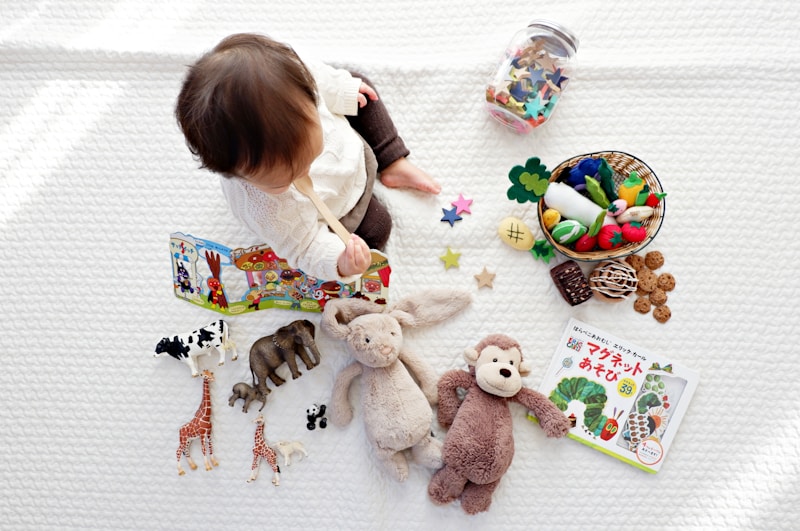
Your baby starts by exploring the world through their senses. They'll put everything in their mouth (yes, everything), respond to loud noises, and begin to recognize familiar faces. These sensory experiences are laying the groundwork for more complex thinking later on.
Movement Milestones in Year One
From lifting their head to rolling over, sitting up, and eventually crawling, these physical milestones are directly tied to brain development. Each new movement requires new neural connections, and your baby's brain is working overtime to make them happen.
Age 1 to 3: The Exploration Phase
Toddlers are basically tiny scientists running experiments all day long. They're testing cause and effect, learning language at breakneck speed, and figuring out how the world works through trial and error. And lots of mess. So much mess.
Between ages 1 and 3, your child's vocabulary will explode from maybe a handful of words to hundreds. They'll start putting sentences together, asking "why" approximately four thousand times a day, and showing you just how curious they really are. You might also like this related article.
Age 3 to 5: The Imagination Explosion
This is where things get really fun. Kids in this age range develop what's called "pretend play." They'll turn a cardboard box into a spaceship, have tea parties with invisible friends, and create entire worlds in their imagination. This isn't just play. It's serious brain work.
Pretend play helps develop executive function skills like planning, self-control, and flexible thinking. When your kid pretends to be a superhero fighting dragons, they're actually training their prefrontal cortex. How awesome is that?
Language Development Spikes
Between 3 and 5, kids start using complex sentences, telling stories, and even making jokes. Their sense of humor develops right alongside their language skills. You might start hearing some pretty creative (and sometimes embarrassing) things come out of their mouths in public.
Age 5 to 7: School Readiness
As kids approach school age, their brains are getting ready for more structured learning. They're developing the ability to focus attention, follow multi-step directions, and control their impulses. These are all crucial skills for academic success.
This is also when kids start understanding concepts like time, quantity, and cause and effect in more sophisticated ways. They can plan ahead, remember sequences, and start thinking about things from other people's perspectives.
Age 7 to 12: The Logic Phase
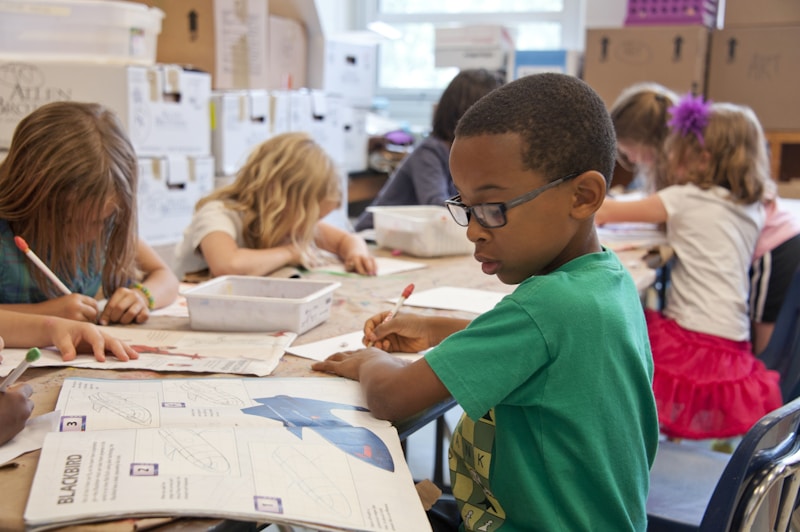
Once kids hit elementary school, their thinking becomes more logical and organized. They can understand rules, follow step-by-step instructions, and start thinking critically about problems. This is when you can really see their analytical skills develop.
My son went through a phase where he wanted to take apart every electronic device in the house. At first, I was worried. But then I realized he was actually investigating how things work. His brain was craving logical understanding, and he was going to get it one way or another. You might also like our guide on this topic.
Critical Thinking Emerges
During these years, kids start questioning things more deeply. They don't just accept what you tell them. They want to know why. They want to understand the reasoning behind rules and decisions. This is actually a sign of healthy brain development.
The Role of Sleep in Brain Development
Here's something that doesn't get enough attention: sleep is absolutely critical for brain development. When kids sleep, their brains are busy consolidating memories, processing information from the day, and clearing out waste products.
One thing I've learned as a parent is that consistency matters more than perfection. You don't need to do everything perfectly every single day. What matters is that you're making an effort, showing up, and trying your best. Some days will be better than others, and that's completely normal. The key is to keep going, keep learning, and keep adapting your approach based on what works for your unique child. There is no one-size-fits-all solution, and anyone who tells you otherwise is selling something.I've seen firsthand how a good night's sleep can transform my kids' behavior and learning ability. When they're well-rested, they're more focused, more creative, and just generally happier. When they're sleep-deprived? It's like trying to run a computer with a virus.
Nutrition and Brain Growth
What kids eat directly impacts how their brains develop. Foods rich in omega-3 fatty acids, iron, zinc, and vitamins are essential for building healthy neural connections. A balanced diet isn't just about physical health. It's brain fuel.
Blueberries, fatty fish, eggs, and leafy greens are some of the best brain foods for kids. And the good news is that most kids actually like these foods when they're presented in fun ways. Blueberry smoothies are always a hit at our house.
Screen Time and Brain Development
Let's talk about the elephant in the room. Screen time. We all know kids love screens, but how does it affect brain development? The research is mixed, but here's what we know: moderation is key.
Too much screen time can interfere with sleep, reduce attention spans, and limit opportunities for creative play. But some screen time, especially educational content, can actually support learning. The key is finding that balance and making sure screens aren't replacing other important activities. You might also like more tips here.
How to Support Brain Development Milestones
So what can you do to help your kid hit these milestones? First and foremost, talk to them. Read to them. Play with them. These simple interactions are the foundation of healthy brain development.
Give them plenty of opportunities for unstructured play. Let them explore, make messes, and figure things out on their own. It's tempting to hover and help, but sometimes the best thing you can do is step back and let them struggle a little.
When to Be Concerned
Every child develops at their own pace, and there's a wide range of normal. But if you notice your child isn't meeting milestones that other kids their age are hitting, it's worth talking to your pediatrician. Early intervention can make a big difference.
Don't compare your kid to others on social media. Every child is unique, and development isn't a race. Trust the process, provide a supportive environment, and remember that you're doing a great job.
The Power of Play
I can't stress this enough: play is the work of childhood. Through play, kids develop cognitive, physical, social, and emotional skills. They learn to solve problems, cooperate with others, and regulate their emotions.
Whether it's building with blocks, playing pretend, or running around outside, play is the single most important activity for brain development. So let them play. Let them be kids. Their brains will thank you for it.