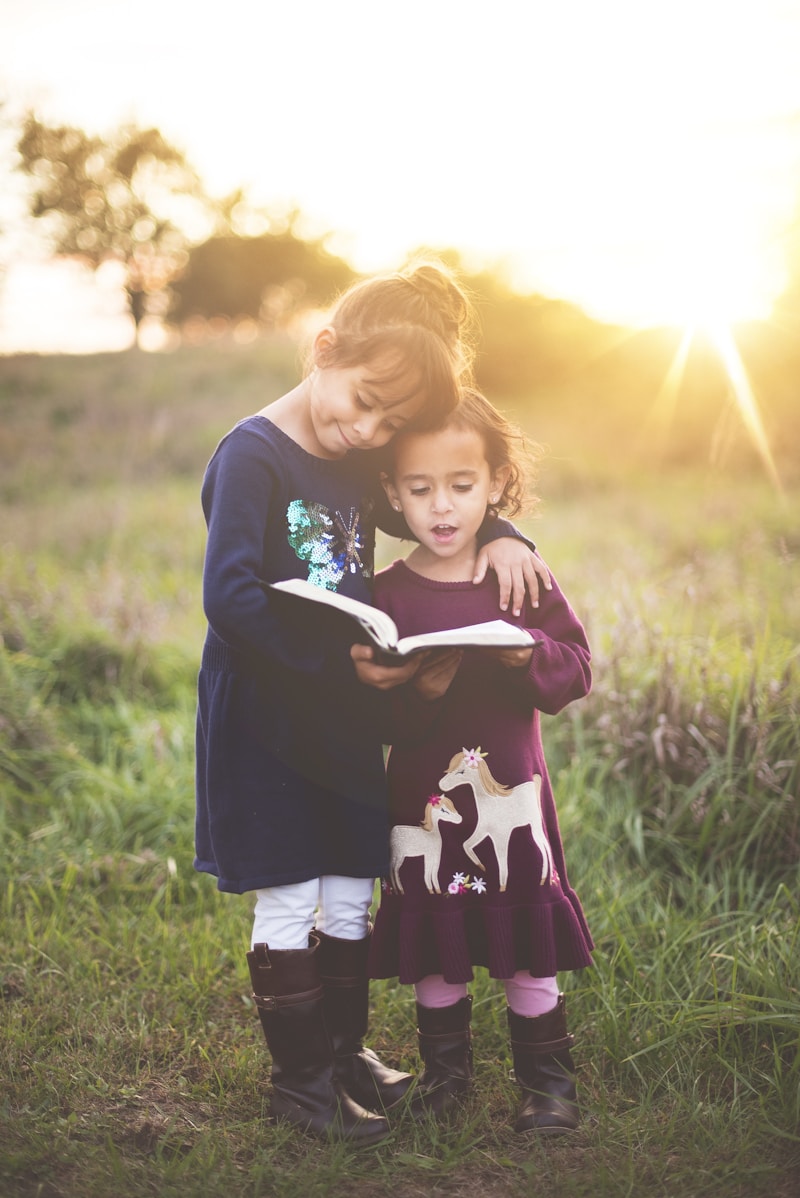

When you were a kid, you probably remember spending hours outside. Riding bikes, climbing trees, building forts, and not coming home until the streetlights came on. But for today children, that outdoor childhood is becoming a distant memory for many families. The average child today spends about four to seven minutes a day in unstructured outdoor play, compared to over seven hours of screen time. And we are only beginning to understand the full cost of this dramatic shift. When children stop playing outdoors, they lose more than just fresh air and exercise. They lose critical opportunities for sensory integration, risk assessment, social negotiation, and creative problem-solving that simply cannot be replicated indoors no matter how many toys you buy them.
Why It Matters
The decline of outdoor play has been linked to rising rates of childhood obesity, myopia, vitamin D deficiency, and mental health issues including anxiety and depression. But the effects go even deeper than physical health. When children are disconnected from nature, something called nature deficit disorder sets in, a term coined by journalist Richard Louv in his book \"Last Child in the Woods.\" It describes the human costs of alienation from the natural world, including diminished use of the senses, attention difficulties, and higher rates of emotional illness. Nature is not just a nice backdrop for play. It is a dynamic, unpredictable learning environment that nothing else can replicate or replace. Unlike indoor spaces, which are controlled and predictable, outdoor spaces offer variable surfaces, changing weather, living creatures, and natural consequences. A child who falls on grass learns a completely different lesson than a child who falls on a padded indoor floor. Nature provides real feedback that builds real skills, physical judgment, and an understanding of how the world actually works.
The Science Behind It
Research from the University of Michigan found that time in nature improves attention and working memory by up to 20 percent. The natural environment has what scientists call \"soft fascination\" qualities, engaging the brain gently without demanding intense focus. This allows the directed attention system to rest and restore, which is exactly why children focus so much better after spending time outdoors. Outdoor play also promotes what researchers call \"risky play,\" activities like climbing trees, jumping from heights, balancing on uneven surfaces, and exploring unknown areas. These activities are essential for developing proprioception, the body ability to sense its position in space. Risky play also teaches children to assess real danger, manage fear appropriately, build physical confidence, and develop good judgment. Studies from the University of British Columbia show that children who play in natural environments have more advanced motor skills, better social cooperation, and more diverse forms of creative play than those who play exclusively in built, manufactured environments. The variability of nature forces the brain to adapt constantly, building cognitive flexibility and resilience. Even something as simple as playing in a backyard with trees and grass offers developmental benefits that an indoor playroom or plastic playground simply cannot match.
Signs Your Child Needs More Outdoor Time
If your child seems restless, has difficulty focusing indoors, complains of boredom despite having plenty of toys, shows fear or reluctance around insects or dirt, struggles with balance and coordination, or seems unusually clumsy, these could be signs that they need more unstructured time in nature. Screen addiction, frequent illness, moodiness, and difficulty sleeping can also be linked to insufficient outdoor exposure and lack of physical activity. Children who are irritable or have frequent meltdowns may simply need more time moving their bodies outside in natural light rather than more discipline or consequences. If your child resists going outside at first, that is completely normal for children who have become accustomed to indoor entertainment and climate control. Start slowly and make the experience inviting rather than forced or scheduled.
Common Mistakes Parents Make
Many parents keep children indoors because they worry about safety. But the health risks of a sedentary indoor lifestyle far outweigh the manageable risks of supervised outdoor play. Another mistake is turning outdoor time into another structured activity with rules and adult direction. If you are directing your child play at the park, you are defeating the purpose entirely. The goal is unstructured exploration and discovery. Some parents assume their child needs a large backyard or a nature preserve to benefit from outdoor time. But even a small patch of grass, a balcony with potted plants, or a daily walk around the block offers meaningful nature exposure. Many parents simply forget to prioritize outdoor time in their daily routine, allowing screens and activities to fill every available moment. And some parents are so uncomfortable with dirt and mess that they unconsciously discourage their children from engaging with the natural world.
Practical Tips for More Outdoor Play
Start by making outdoor time non-negotiable in your schedule. Schedule it like you would any other important activity. Aim for at least one hour of unstructured outdoor play daily, rain or shine. Dress your child appropriately for the weather so they can play comfortably in any conditions. Create an outdoor-friendly space. Even a small yard or balcony can be transformed with a few potted plants, a water table, digging tools, or a simple bird feeder. Let your child get muddy without criticism. Keep a change of clothes handy and treat dirt as a sign of a good day rather than a problem to be avoided. Reduce the friction of going outside. Keep shoes, jackets, hats, and sunscreen by the door so that getting outside feels easy rather than like a major production. Model outdoor enthusiasm yourself. If you treat outdoor time as a chore or look at your phone the whole time, your child will too. Go outside with them. Show genuine interest in the bugs, leaves, clouds, and sounds around you. Your attitude shapes theirs completely. Let them be bored outside too. If your child says there is nothing to do in the yard, resist the urge to bring out toys or suggest activities. Boredom outdoors leads to creativity and discovery just as it does indoors, often with even richer results.
Frequently Asked Questions
Q: Is outdoor play safe for young children? Yes, with appropriate supervision. Outdoor play is not completely risk-free, but the benefits dramatically outweigh the manageable risks. Teach your child basic safety rules and supervise appropriately for their age and abilities.
Q: What if we live in an apartment with no yard? Visit local parks, community gardens, or green spaces regularly. Take daily walks around the neighborhood. Even plants on a balcony, a windowsill herb garden, or nature scavenger hunts in the area can fill the gap meaningfully.
Q: How much outdoor time does a child need? Experts recommend at least one hour of unstructured outdoor play daily, though more is even better. Even small amounts of daily outdoor time add up to significant benefits over weeks and months.
Q: What if my child resists going outside? Start slowly and make the experience inviting. Go outside with them. Let them choose the activity. Join in their play. Over time, their resistance will fade as they rediscover the joy of outdoor play.
Conclusion: Get Outside Today
The solution to nature deficit disorder is simple but powerful. Turn off the screens. Open the door. Let your child go outside. It does not have to be a grand adventure or a planned activity. It can be as simple as lying in the grass watching clouds or turning over rocks to see what lives underneath. The important thing is to make outdoor time a regular, non-negotiable part of every day. Your child body, brain, and spirit will thank you. And honestly, yours will too. Start today. Just open the door and see what happens.