
Math Doesn't Have to Be Scary
I used to dread helping my kids with math homework. The new methods confused me, and my kids could tell I was stressed. Then I discovered that math can actually be fun when you approach it the right way. Games, puzzles, and real-life activities made math click for my kids in ways worksheets never could.
The key is making math a game instead of a chore. When kids associate math with positive experiences, they're more willing to tackle challenging problems.
1. Dice Games for Number Recognition
Start simple. Roll two dice and add the numbers. My kindergarten-age daughter learned addition this way without realizing she was doing math. For older kids, use more dice or multiply instead of add. We play dice games during dinner, and it's become a family tradition.
2. Card Games for Mental Math
Cards are incredibly versatile for math practice. "War" teaches comparison (which number is bigger). "Go Fish" teaches matching. "Uno" teaches number recognition and strategy. For older kids, "21" teaches addition under pressure. We have card game nights that are competitive and educational.
3. Cooking Together (Real Math)
Cooking involves measuring, fractions, and time. When we double a recipe, my kids calculate the new amounts. When something bakes for 30 minutes, they figure out when it will be done. Math has never felt more practical. Plus, they eat the results.
Start Simple
Begin with measuring cups. Show that 1/2 cup plus 1/2 cup equals 1 cup. Let them pour and see. The visual, hands-on experience makes fractions concrete instead of abstract.
4. Shopping Math
At the store, give kids a budget and let them calculate totals. "You have $10. Can you buy these three items?" It teaches addition, subtraction, and estimation in a real-world context. My kids now mentally estimate grocery totals before we reach the register.
5. Building Block Math
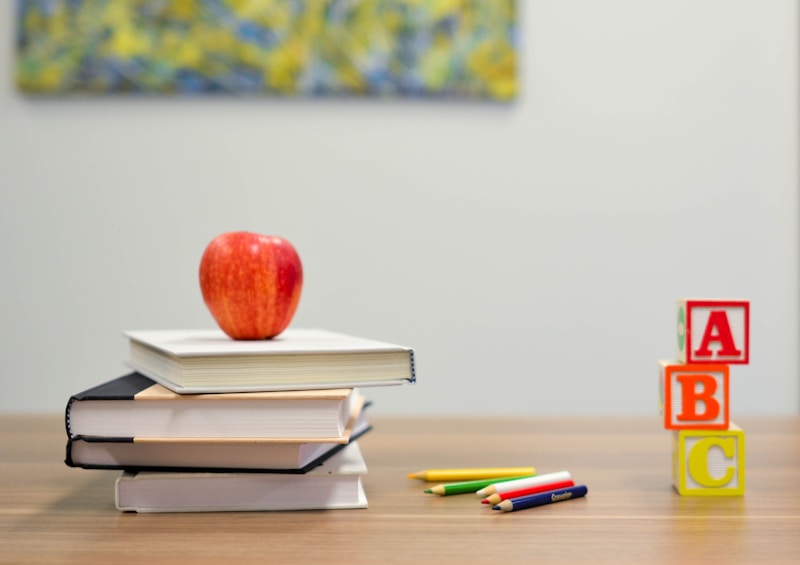
Use blocks to teach counting, addition, and patterns. Build towers of different heights and compare them. "This tower has 5 blocks. This one has 8. How many more does the tall one have?" It's math made physical and visual.
6. Board Games That Teach Math
Games like Monopoly Junior, Hi Ho Cherry-O, and Sum Swamp teach math through play. Kids learn counting, addition, and money management without realizing they're learning. We play these games regularly, and the math skills sneak in naturally.
7. Number Hunts
Walk around the house or neighborhood and find numbers everywhere. On clocks, houses, signs, and phones. Turn it into a scavenger hunt. My kids love spotting numbers in unexpected places, and it builds number recognition.
8. Money Games
Use real coins to teach counting and value. Sort them, stack them, and make amounts. "Can you make 25 cents three different ways?" It teaches number combinations and introduces financial literacy early.
9. Pattern Games
Create patterns with colored objects and ask kids what comes next. Red-blue-red-blue-? Start simple and get more complex. This builds algebraic thinking that's crucial for higher math later.
10. Estimation Jars
Fill a jar with small objects and have kids estimate how many are inside. Then count together. My kids are shockingly accurate now because they've practiced estimating so often. It builds number sense that can't be taught from a textbook.
11. Math Bingo
Create bingo cards with numbers and call out math problems instead of numbers. "What's 3 + 4?" Kids mark the answer on their cards. It's competitive, fun, and practices mental math under pressure.
12. Measurement Activities
Measure everything. Height of family members, length of the dog, distance from the door to the tree. Use different units and compare. My kids love being the "official measurer" for household projects.
13. Fraction Pizza
Make a paper pizza and cut it into equal parts. Label fractions and discuss how many pieces make a whole. Then "share" the pizza among family members. The visual representation makes fractions click.
14. Clock Games
Teach time through games. "Can you set the clock to 3:30?" or "When the clock shows 5:00, we'll have dessert." Making time relevant to their daily life teaches clock reading naturally.
The Right Attitude Matters
Here's the most important thing I've learned. If you say "I was never good at math," your kids will believe they can't be good at it either. Instead, say "Math is challenging, but we can figure it out together." Your attitude shapes theirs more than any game or activity.
Start with one game this week. Play dice games at dinner, do shopping math, or make fraction pizza. Keep it fun, keep it consistent, and watch the math skills grow.