
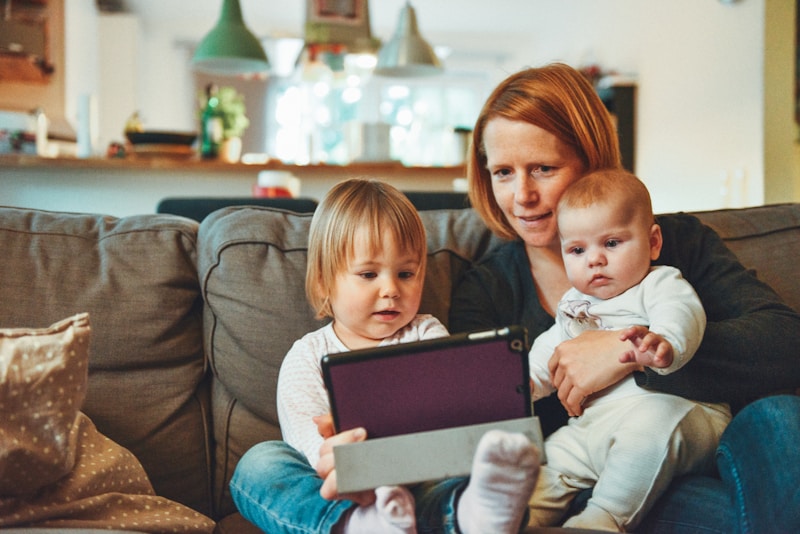
There is a crisis happening right now, in homes across the country, and most parents have no idea it is there. It does not make headlines. There are no emergency alerts. But it is affecting millions of children in ways that will shape the rest of their lives.
The crisis is the loss of unstructured free time. In the span of one generation, children have lost an average of twelve hours of free time per week. That time has been replaced by screen time, homework, and structured activities. And the consequences are showing up in ways that are hard to ignore.
Mental health is deteriorating. Rates of anxiety and depression among children have risen sharply. Pediatricians report more stress-related complaints than ever before. Children are sleeping less, moving less, and connecting less with their families.
When children lose unstructured free time, they lose more than just fun. They lose opportunities to develop creativity, self-regulation, and social skills. They lose the chance to be bored, which is actually the brain way of forcing itself to imagine and create. They lose the practice of navigating their own social world without adult intervention.
So what does this mean for you? It means protecting your child time might be the most important thing you can do for their mental health and development. It means saying no to another activity. It means leaving empty space in the schedule. It means letting your child be bored sometimes, even when it is uncomfortable for both of you.
The cure for this silent crisis is simple but not easy. It is giving childhood back to children. Time to explore. Time to play. Time to just be. That is not a luxury. It is a necessity.