
Why Early Learning Matters More Than You Think
Look, I get it. When you first become a parent, the last thing on your mind is "early learning curriculum." You're busy figuring out how to keep a tiny human alive, sleep when you can, and maybe eat a warm meal once in a while. But here's the thing that caught me off guard when my oldest was about two: kids are learning literally every second of every day, whether you plan for it or not.
The question isn't really "should I focus on early learning?" It's more like "am I going to be intentional about what my kid is absorbing?" Because the brain is doing a massive amount of work in those first five years. We're talking about forming over a million new neural connections every single second. That's not a typo. Every. Single. Second.
The Science Behind the First Five Years
Researchers at Harvard's Center on the Developing Child have been studying this for decades, and the numbers are genuinely staggering. By age three, a child's brain has reached about 80% of its adult volume. By five, it's at 90%. That doesn't mean kids are "done" learning at five, obviously, but it does mean the foundation is being laid right now.
What does that actually mean for you as a parent? It means the experiences your child has between birth and five will shape how their brain is wired for the rest of their life. And no, I'm not saying this to stress you out. I'm saying it because understanding this gives you a kind of superpower. You can work with the brain's natural development instead of against it.
What "Early Learning" Actually Looks Like
When people hear "early learning," they often picture flashcards, workbooks, and drilling the alphabet. That's not it. Not even close. Early learning for young kids looks like play. It looks like messy, noisy, chaotic, wonderful play.
When your toddler dumps out a bucket of blocks and starts stacking them, that's physics, engineering, and problem-solving. When your preschooler "helps" you cook dinner by stirring ingredients, that's science, math, and following multi-step instructions. When your kid asks "why?" for the forty-seventh time in a row, that's critical thinking in action.
I remember watching my daughter at age three, completely absorbed in filling and emptying a watering can. She didn't know she was learning about volume, gravity, and cause and effect. She just thought water was cool. And you know what? She was right.
Setting Up a Learning-Friendly Home Environment
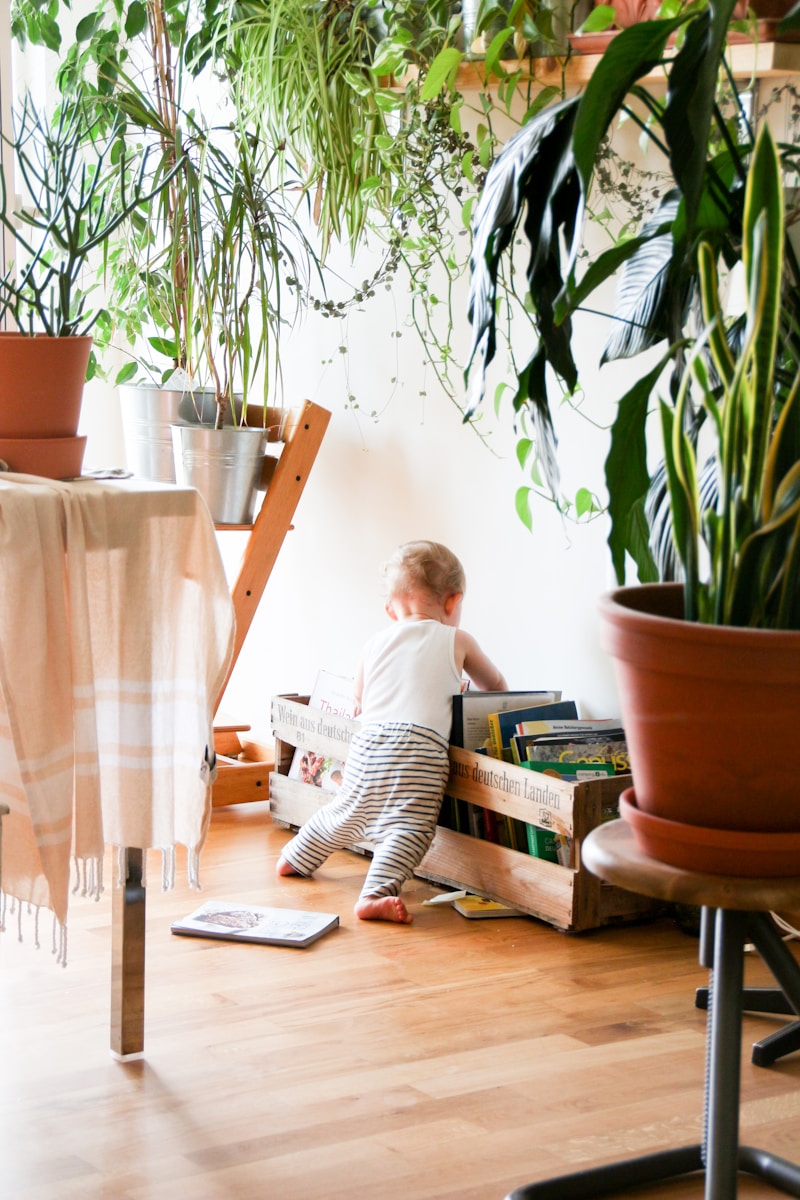
You don't need to turn your living room into a preschool classroom. In fact, that can actually backfire because kids get overstimulated. What works better is creating little pockets of opportunity throughout your home.
Keep a basket of books in every room. Have a small art station with paper and crayons that's always accessible. Put puzzles and simple building toys where your kid can reach them without asking for help. The goal is to make learning materials as easy to grab as a remote control.
One thing that worked wonders for us was creating what I called "discovery shelves." I'd rotate toys and materials every week or two, putting out things that matched whatever my kid was into at the moment. Dinosaurs one week, trucks the next, then kitchen stuff. It kept things fresh without buying new stuff all the time.
Daily Routines as Learning Opportunities
Here's a secret that early childhood educators know: routines are learning gold. Every daily routine is packed with opportunities for language development, math concepts, and social-emotional skills.
Getting dressed? That's counting buttons, matching socks (hello, sorting skills!), and practicing fine motor control. Meal time? Name the foods, count the peas, talk about colors and textures. Bath time? Pouring, scooping, and learning about how water works. Bedtime stories? Language development, vocabulary building, and bonding all rolled into one.
The key is to narrate what you're doing. "I'm cutting the apple into four pieces. Do you want one, two, or three pieces?" Sounds simple, but you're sneaking in numbers, choices, and sequencing without it feeling like a lesson.
The Power of Reading Aloud
If I could give every parent one piece of early learning advice, it would be this: read to your kid. Every single day. From birth. Even before they can understand a word, the rhythm and melody of your voice is building their brain.
The research on this is absolutely clear. Kids who are read to regularly have larger vocabularies, stronger comprehension skills, and better attention spans when they start school. And the benefits compound over time. The more you read, the more they learn, the more they want to read, and around it goes.
Don't just read the words on the page, either. Ask questions. "What do you think happens next?" "Why is the bunny sad?" "Can you find something blue on this page?" These turns your reading time into a conversation, which makes it way more powerful for learning.
Check out our guide on learning through play for more ideas on making everyday moments educational.
Play-Based Learning vs. Academic Drilling
There's a big debate in early childhood education about play-based learning versus more academic approaches. Some parents worry that if they don't drill their kids on letters and numbers early, they'll fall behind. I totally understand that fear, but here's what the research actually shows.
Play-based learning consistently outperforms academic drilling for young kids. Kids who learn through play develop stronger critical thinking skills, more creativity, and better social skills. They also tend to have more positive attitudes about learning, which matters a lot when they hit school age.
This doesn't mean you should never teach your kid the alphabet or how to count. It just means the vehicle for that teaching should be play, not worksheets. Sing alphabet songs while you drive. Count stairs as you climb them. Write letters in sand or shaving cream instead of on paper.
Social-Emotional Learning Is Part of Early Learning Too
We often think of early learning as academic stuff, but social-emotional skills are just as important. Learning to share, take turns, manage frustration, and express feelings are all critical life skills that start developing in the early years.
When your toddler has a meltdown because you broke their banana in half, they're not being dramatic. They're experiencing a genuine emotional response and don't yet have the tools to handle it. Your job isn't to stop the meltdown. It's to be there during it, name the feeling, and help them through it.
Over time, this teaches kids that emotions are manageable. They learn that feelings come and go, and that they have people who will help them through the tough ones. That's the foundation of emotional intelligence, and it starts right here in the early years.
Screen Time and Early Learning
I'm going to be honest about this: screens are everywhere, and completely avoiding them with kids is nearly impossible. But research suggests that for kids under two, screen time should be very limited, and for kids ages two to five, it should be about an hour a day of high-quality content.
What matters most is not just how much screen time, but what kind. Educational shows that are interactive and age-appropriate can actually support learning. Shows like Sesame Street have decades of research behind them showing positive effects on learning. But passive scrolling through random YouTube videos? Not so much.
The biggest issue with screens isn't the content itself, it's what screens replace. Every minute a kid spends on a screen is a minute they're not playing, exploring, talking to you, or moving their body. And those activities are where the really deep learning happens.
Signs Your Child Is On Track
Every kid develops at their own pace, and comparing your kid to their peers is a recipe for unnecessary anxiety. That said, there are some general milestones that can give you a rough sense of how things are going.
By age two, most kids can say about 50 words and are starting to combine two words. By three, they're asking questions constantly and can carry on simple conversations. By four, they can tell stories and are starting to understand concepts like "same" and "different." By five, they can count to ten or beyond and recognize some letters.
But remember, these are averages, not deadlines. Some kids talk early and read late. Others are physically coordinated but emotionally intense. The range of normal is huge, and the best thing you can do is support your child's individual journey.
How to Choose the Right Early Learning Program
When it comes time to choose a preschool or daycare, look for programs that emphasize play-based learning, have low teacher-to-child ratios, and feel warm and inviting. Trust your gut. If you walk in and it feels sterile and rigid, it's probably not the right fit for a young child.
Ask about how they handle discipline. Do they redirect or punish? Ask about the daily schedule. Is there enough free play time? Ask about the teachers. Do they get down on the kids' level and talk to them with respect? These details matter way more than whether the school teaches letter recognition in pre-K.
For more on finding the right educational fit, check out our guide on right brain training programs which covers what to look for in early education.
Making Early Learning Fun for You Too
Here's something nobody talks about: early learning isn't just for kids. Parents learn and grow alongside their children. I learned more about how I learn as an adult by watching my kids learn as toddlers than I did in any education class.
The trick is to find activities you genuinely enjoy doing together. Maybe you love painting and your kid does too. Great, do that. Maybe you hate art but love being outside. Explore nature. Maybe you're into music. Sing together. The best early learning activities are the ones where both of you are engaged and having a good time.
When you're stressed and forcing educational activities because you feel like you "should," kids pick up on that energy. They start to associate learning with pressure instead of joy. And that's the opposite of what we want.
Common Mistakes Parents Make with Early Learning
The biggest mistake I see parents make is pushing too hard, too fast. There's a lot of marketing out there convincing parents that if their kid isn't reading by four or doing math by five, they're going to fall behind forever. That's just not true.
Another common mistake is confusing memorization with understanding. Your kid might be able to recite the alphabet perfectly at age two, but if they don't understand that letters represent sounds and sounds make words, they're just performing, not learning.
The third mistake is ignoring the social-emotional side of learning. A kid who can ace a letter test but can't share a toy or handle losing a game is going to struggle in school and in life. Balance academic skills with social skills.
Building Confidence as a Learner
One of the most important things you can do for your child's learning journey is help them see themselves as capable learners. This means celebrating effort over outcome, praising the process rather than the result.
Instead of "You're so smart!" try "I love how hard you worked on that puzzle!" Instead of "You got it wrong!" try "You're so close! Let's try a different approach." These small shifts in language build a growth mindset that will serve your child for the rest of their life.
When kids believe they can learn, they become more willing to try new things, take risks, and persist through challenges. That attitude is worth more than any specific piece of knowledge they'll gain in preschool.
Resources for Getting Started
If you're feeling overwhelmed by all this, don't be. You don't need to implement everything at once. Start with one or two things that feel doable and build from there. Maybe you commit to reading aloud every night. Or maybe you start rotating toys on a shelf. Or maybe you just start narrating your daily routines.
For more structured approaches, our brain development activities guide breaks down exactly what to do at each age. It's a great starting point if you want more specific ideas.
Remember, the goal of early learning isn't to produce a prodigy. It's to nurture a curious, confident, joyful human being who loves to learn. And honestly? Most of the time, that just happens naturally when you create the right environment and let kids be kids.