
Nurturing Curiosity
Curious children are a joy, but they can also be exhausting. Here's how to nurture curiosity while maintaining your sanity.
Embrace the Questions
Children ask hundreds of questions daily. This isn't annoying, it's learning in action. Answer thoughtfully, or say "Let's find out together" when you don't know.
Questions are signs of healthy brain development.
Provide Exploration Opportunities
Museums, nature walks, libraries, and hands-on experiences satisfy curiosity. Provide diverse experiences that expand your child's world.
Exploration is education.
Follow Their Interests
If your child is fascinated by dinosaurs, dive deep into dinosaurs. Interest-driven learning is more effective than forced curriculum.
Let your child's interests guide learning.
Create Discovery Environments
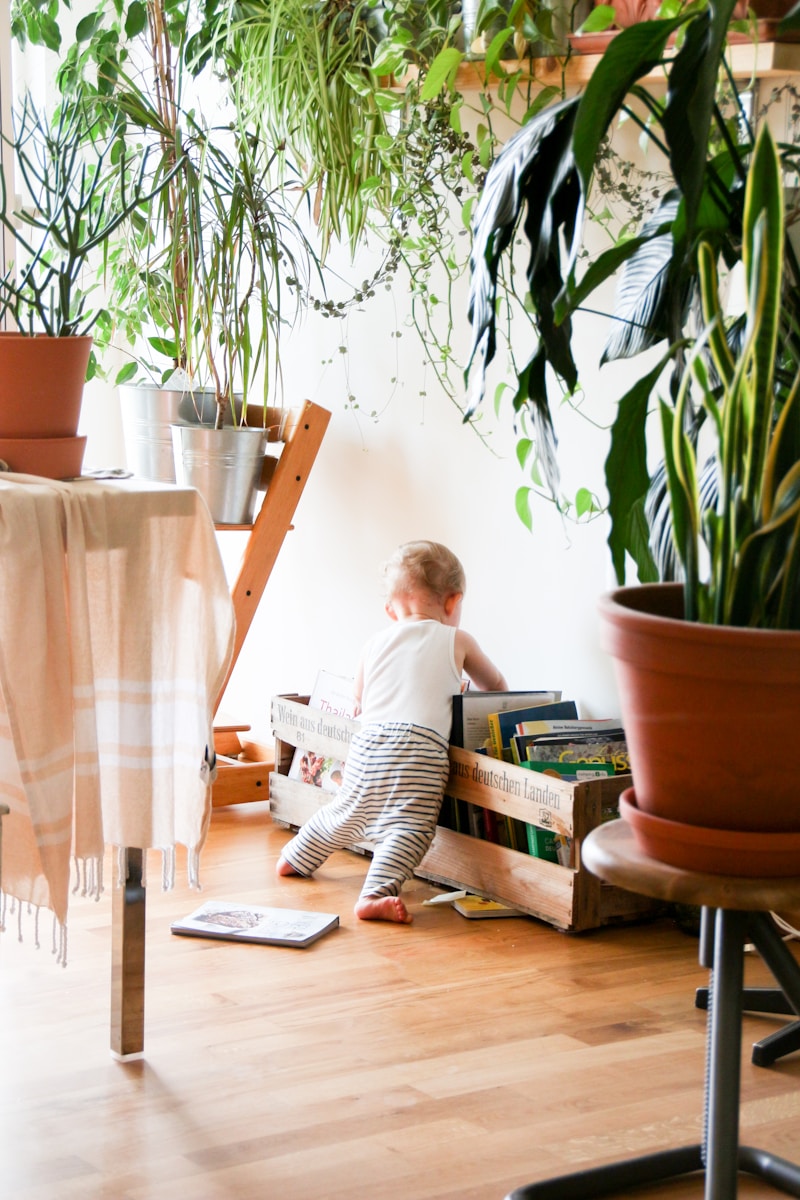
Stock your home with books, art supplies, science kits, and building materials. Make interesting things accessible. Environment shapes curiosity.
Your home should invite discovery.
Celebrate Discovery
Celebrate when your child learns something new. Share their excitement. Acknowledge their discoveries. This reinforcement encourages continued curiosity.
Excitement is contagious.
Teach Research Skills
Show children how to find answers. Look things up together. Visit the library. Use child-friendly search tools. Teach them to be independent learners.
Independence is the ultimate learning goal.
Manage the Mess
Curious children create messes. Experiments, art projects, building adventures. Accept the mess as the cost of learning. Clean up together afterward.
Messy hands often mean busy brains.
Balance Structure and Freedom
Children need both structure and freedom to explore. Provide routines that create stability while allowing unstructured time for curiosity-driven exploration.
Balance creates optimal conditions for curiosity.