An Overview of Both Approaches
Montessori and Reggio Emilia are both respected educational philosophies that have been influencing early childhood education for decades. While they share some similarities, such as a focus on child-led learning and respect for the individual, they differ significantly in their methods, environments, and views on how children learn best. Understanding these differences is key to choosing the right fit for your child.
The Montessori Philosophy
The Montessori method was developed by Dr. Maria Montessori in the early 1900s based on her observations of how children naturally learn. Montessori education emphasizes self-directed activity, hands-on learning, and collaborative play. In a Montessori classroom, children choose their activities from a prepared environment and work at their own pace. Teachers serve as guides, observing and gently directing children's learning without interrupting their concentration.
The Reggio Emilia Approach
The Reggio Emilia approach originated in the town of Reggio Emilia, Italy after World War II. It was developed by educator Loris Malaguzzi and is based on the belief that children are powerful learners with strong capabilities. Reggio Emilia education emphasizes project-based learning, collaboration, and the expression of ideas through multiple languages including art, music, drama, and storytelling. The environment is considered the third teacher after the adults and the children themselves.
Classroom Environment Differences
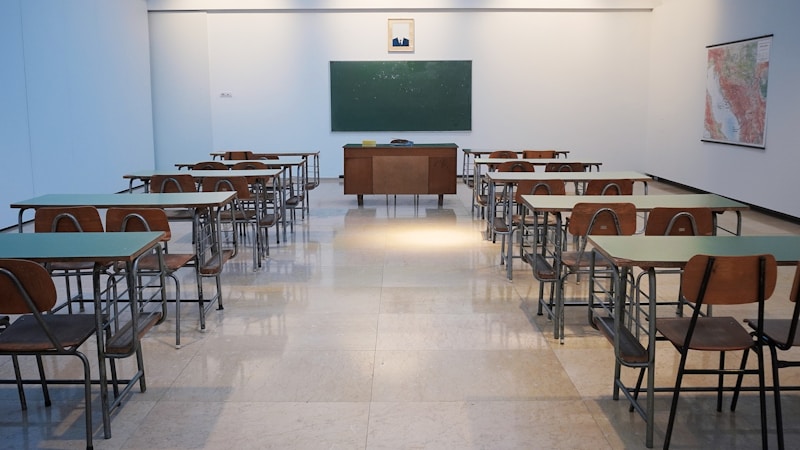
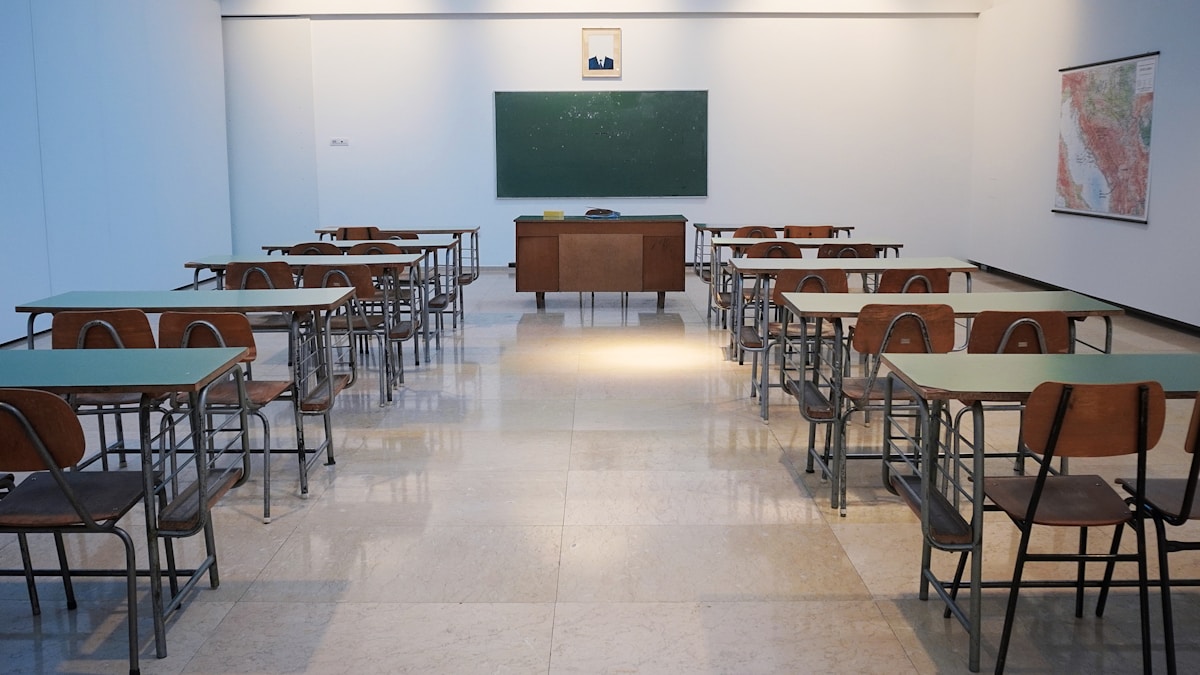
One of the most visible differences between the two approaches is the classroom environment. Montessori classrooms are highly structured with specific areas for different types of activities and materials arranged on low shelves accessible to children. Reggio Emilia classrooms are more flexible and open, often featuring large project spaces, mirrors, natural light, and documentation of children's work on the walls. The Reggio environment is constantly evolving based on children's interests.
Role of the Teacher
In Montessori education, the teacher is a guide who presents materials and observes children's progress. The teacher carefully prepares the environment and introduces activities at appropriate times. In Reggio Emilia, the teacher is more of a co-learner and researcher alongside the children. Teachers in Reggio settings follow children's interests, ask questions, and help document the learning process. Both approaches respect the teacher's role but define it differently.
Curriculum and Activities
Montessori uses a structured curriculum with specific materials designed to teach particular skills and concepts. Children progress through a sequence of activities that build on each other. Reggio Emilia does not follow a predetermined curriculum but instead emerges from children's interests and questions. Projects can last for weeks or even months as children explore topics in depth through multiple perspectives and media.
Views on Assessment
Montessori assessment is typically observational, with teachers tracking each child's progress through the curriculum materials. Reggio Emilia uses a different approach called documentation, where teachers photograph, record, and preserve examples of children's work and conversations. This documentation serves as both an assessment tool and a way to make learning visible to children, parents, and the community.
Understanding the broader educational landscape helps when comparing approaches. Our guide on Montessori vs Waldorf provides another comparison to round out your research.
Parent Involvement
Both approaches value parent involvement but in different ways. Montessori schools typically encourage parents to support learning at home by maintaining a consistent environment and respecting their child's independence. Reggio Emilia schools often involve parents more directly in the educational process, inviting them to participate in projects and contribute their skills and knowledge to classroom activities.
Philosophy on Toys and Materials
Montessori classrooms feature specifically designed materials that teach particular concepts. These materials are beautiful, well-crafted, and serve a clear educational purpose. Reggio Emilia uses a wider variety of materials, including everyday objects, natural materials, and recycled items. The philosophy is that children can learn from anything if they are engaged and supported in their exploration.
Which Approach Might Be Right for Your Child
Choosing between Montessori and Reggio Emilia depends on your child's personality, learning style, and your family's values. Children who thrive in structured environments with clear expectations may do better in Montessori settings. Children who are naturally curious, creative, and collaborative may flourish in Reggio Emilia environments. Visiting both types of schools and observing how your child responds can help inform your decision.
Finding Quality Programs
Regardless of which approach you choose, quality matters most. Look for programs with well-trained teachers, appropriate class sizes, and a genuine commitment to the philosophy. A good Montessori or Reggio Emilia program will feel warm, engaging, and respectful of children. The best program is one where your child feels happy, supported, and excited to learn.
Blending the Best of Both Worlds
Many modern early childhood programs draw from multiple educational philosophies, including elements of both Montessori and Reggio Emilia approaches. This blended approach can offer children the structure and skill-building of Montessori along with the creativity and flexibility of Reggio Emilia. If you find a program that thoughtfully combines the strengths of both approaches, it might be the perfect fit for your child.