Independence in Learning
Independent learners are self-motivated, curious, and capable of directing their own education. Here's how to raise children who love learning on their own.
Start With Choice
Give children choices in what they learn and how they learn it. Choice builds ownership and motivation. Children who choose their learning path are more engaged.
Autonomy drives intrinsic motivation.
Teach Problem-Solving
Instead of solving problems for children, guide them to solve problems themselves. Ask questions, suggest approaches, and let them experiment.
Problem-solving skills develop through practice.
Provide Resources, Not Directives
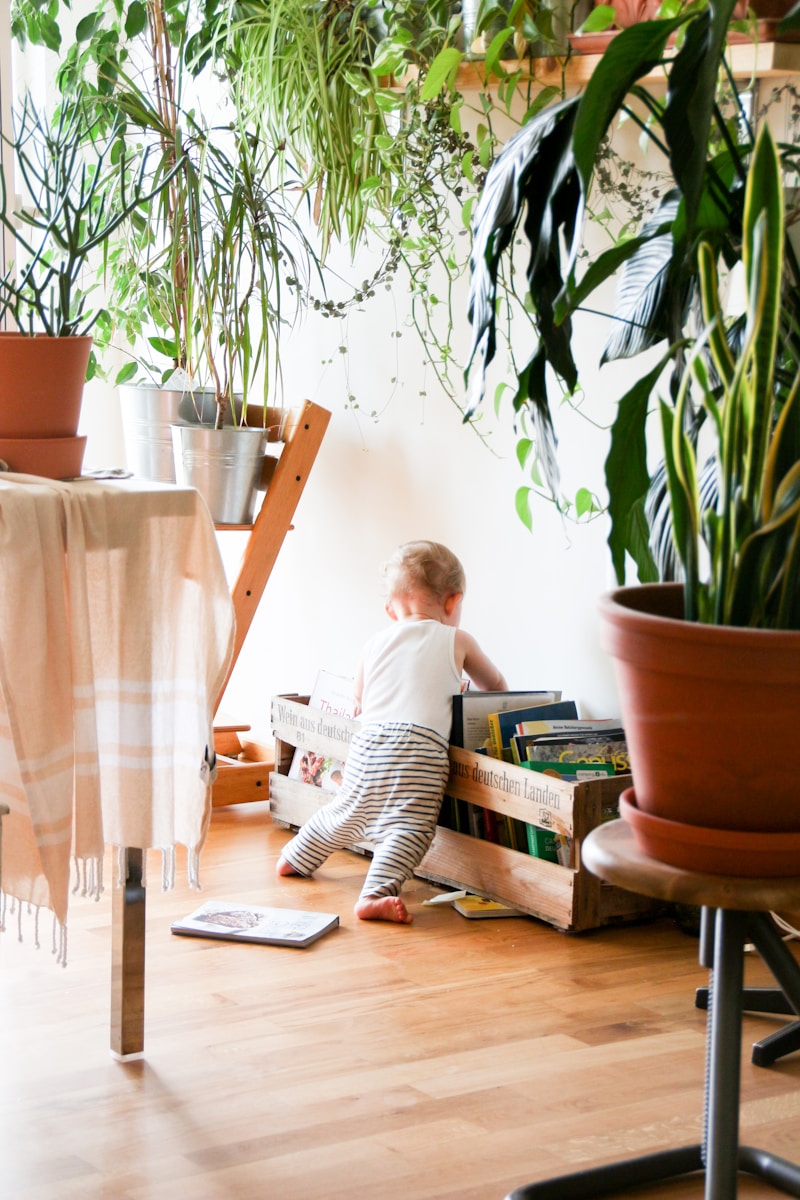
Give children access to books, materials, and experiences. Let them explore without constant instruction. Resources empower independent exploration.
Make learning materials easily accessible.
Allow Failure
Failure is essential for learning. When children fail and try again, they develop resilience and problem-solving skills. Don't rescue them from every mistake.
Mistakes are learning opportunities.
Model Independence
Show your own independent learning. Read, explore, try new things. Children learn independence by watching their parents.
Model what you want to see.
Create Learning Spaces
Designate spaces for independent learning. A reading corner, an art station, a science exploration area. Physical spaces support behavioral habits.
Spaces shape learning behaviors.
Gradually Release Responsibility
Start with guided learning, then gradually give children more independence. This scaffolded approach builds confidence and competence.
Independence develops gradually.
Celebrate Self-Directed Learning
Notice and celebrate when children learn on their own. "You figured that out yourself!" This reinforcement encourages continued independence.
Recognition motivates behavior.