Natural Approaches to Better Memory
In a world full of supplements and memory-enhancing products, it's easy to forget that the most effective ways to improve memory are completely natural. No pills, no fancy gadgets, just proven strategies that work with your body's natural systems.
I've tried my fair share of memory supplements over the years, and honestly? The natural approaches have always worked better. They're free, they're safe, and they have the added benefit of improving overall health, not just memory.
Sleep: The Natural Memory Booster
If there's one natural memory enhancer that stands above the rest, it's sleep. During sleep, the brain consolidates memories, processes information, and clears out waste products. Without adequate sleep, memory suffers dramatically.
Most kids need between 9-14 hours of sleep depending on their age. Make sleep a priority in your household. Establish consistent bedtime routines, limit screens before bed, and create a calm, comfortable sleep environment.
Exercise: Move Your Way to Better Memory
Physical exercise is one of the most powerful natural memory enhancers available. Exercise increases blood flow to the brain, promotes the growth of new neurons, and improves cognitive function across the board.
Kids need at least 60 minutes of physical activity daily. This doesn't have to be structured exercise. Playing outside, riding bikes, dancing, or just running around all count. The key is getting moving regularly. You might also like this related article.
Nutrition: Feed Your Memory
What you eat directly affects your memory. Certain foods are particularly beneficial for memory function, while others can actually harm it. Understanding this connection is the first step to eating for better memory.
Foods That Boost Memory
Blueberries, fatty fish, nuts, seeds, leafy greens, and dark chocolate are all excellent memory-boosting foods. They contain antioxidants, omega-3 fatty acids, and other nutrients that support brain health and memory function.
Foods to Limit
Processed foods, sugary drinks, and excessive refined carbohydrates can impair memory function. They cause blood sugar spikes and crashes that affect cognitive performance. Reducing these foods can naturally improve memory.
Hydration: The Overlooked Factor
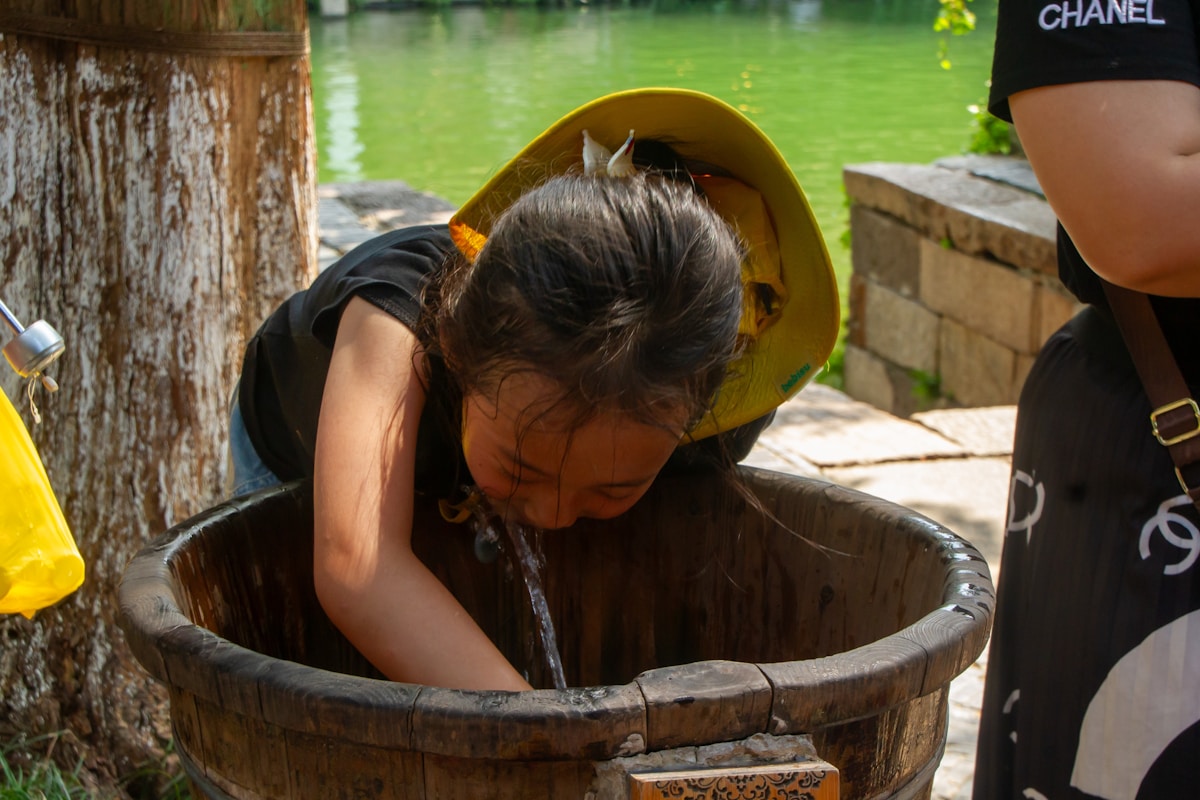
Even mild dehydration can significantly affect memory and cognitive function. Kids are particularly susceptible because they often don't feel thirsty until they're already dehydrated.
Encourage your child to drink water regularly throughout the day. Keep a water bottle handy, especially during school and physical activity. Proper hydration is a simple, natural way to support memory function. You might also like our guide on this topic.
Stress Management: Clear the Mental Clutter
Chronic stress is one of the worst enemies of memory. Stress hormones can damage the hippocampus, the brain region crucial for memory formation and retrieval. Managing stress is essential for memory health.
Teach your child simple stress management techniques like deep breathing, mindfulness, and physical activity. Create a calm, supportive home environment. Help them develop healthy coping strategies for dealing with stress.
Mindfulness and Meditation
Mindfulness and meditation have been shown to improve memory, attention, and cognitive function. Even simple mindfulness exercises can make a difference in memory performance.
Start with short, simple mindfulness exercises for your child. Focus on breathing, body awareness, or sensory experiences. Even five minutes a day can have benefits for memory and overall cognitive function.
Social Connection
Human brains are wired for social connection, and social interaction is a powerful form of brain stimulation. Regular social engagement supports memory function and overall cognitive health. You might also like more tips here.
One thing I've learned as a parent is that consistency matters more than perfection. You don't need to do everything perfectly every single day. What matters is that you're making an effort, showing up, and trying your best. Some days will be better than others, and that's completely normal. The key is to keep going, keep learning, and keep adapting your approach based on what works for your unique child. There is no one-size-fits-all solution, and anyone who tells you otherwise is selling something.Research continues to show that the early years of a child's life are critical for establishing patterns that last a lifetime. The neural pathways being formed right now will serve as the foundation for all future learning, behavior, and health. This isn't meant to pressure you. It's meant to empower you. Every positive choice you make today is an investment in your child's future. And the beautiful thing is that children are incredibly resilient and adaptive. Even small changes can yield remarkable results over time.
Finally, remember to take care of yourself throughout this process. Parenting is exhausting, demanding, and sometimes overwhelming. You can't pour from an empty cup. Make time for rest, hobbies, and activities that recharge you. When you're well-rested and mentally healthy, you're a better parent. Your child doesn't need a perfect parent. They need a present, engaged, and emotionally available one. And that starts with taking care of yourself.
Many parents wonder how to get started with this, and honestly the best approach is to begin with small, manageable steps. You don't have to overhaul your entire routine overnight. Pick one or two strategies from this guide and implement them this week. Once those feel natural, add another. This gradual approach prevents burnout and makes lasting change more likely. Your child won't even notice the shift, but their brain will benefit enormously from the consistency.
The role of community and support systems cannot be overstated in this journey. Connect with other parents who share your values and goals. Join local parent groups, participate in online forums, or simply chat with other moms and dads at the playground. Sharing experiences, swapping tips, and knowing you're not alone in this parenting adventure can make a world of difference. Plus, your kids benefit from seeing you build and maintain healthy social connections.
Encourage your child to spend time with friends, participate in group activities, and engage in conversations with people of different ages. Social connections are good for memory and good for the soul.
Novelty and Challenge
The brain thrives on novelty and challenge. Doing the same things every day doesn't promote memory growth. Introducing new experiences and challenges stimulates the brain to form new connections and strengthen existing ones.
Encourage your child to try new activities, learn new skills, and explore new interests. Novelty keeps the brain engaged and promotes memory development. Boredom is the enemy of memory growth.
Routine and Consistency
While novelty is important, routine and consistency are also valuable for memory. Regular routines help the brain anticipate and prepare for events, making memory encoding more efficient.
Create consistent routines for sleep, meals, homework, and other daily activities. Predictability helps the brain allocate resources effectively and supports memory function. You might also like check out this post.
Limiting Multitasking
Multitasking is a myth. The brain can't truly do multiple things at once. It switches rapidly between tasks, which is inefficient and can impair memory formation. Teaching kids to focus on one thing at a time is a natural way to improve memory.
Create environments that support focused attention. Turn off screens during homework, minimize distractions, and teach your child the value of doing one thing well at a time.
The Power of Nature
Spending time in nature has been shown to improve cognitive function, including memory. Nature provides rich sensory experiences that stimulate the brain without overloading it.
Encourage your child to spend time outdoors regularly. Nature walks, backyard play, and visits to parks all provide natural brain stimulation that supports memory and overall cognitive health.
The Bottom Line: Simple Is Better
When it comes to improving memory naturally, simple strategies are often the most effective. Sleep, exercise, good nutrition, hydration, stress management, social connection, and novelty. These aren't glamorous or expensive, but they work.
Start with one or two of these strategies and build from there. Small, consistent changes add up to significant improvements over time. Your child's memory is capable of amazing things with the right natural support.