Why Focus Matters More Than Ever
In a world filled with constant distractions, the ability to focus has become something of a superpower. For kids, developing strong focus and concentration skills early in life sets them up for success in school and beyond. But here's the challenge: focus doesn't come naturally. It's a skill that needs to be developed, practiced, and strengthened over time.
I used to think focus was something kids either had or didn't have. Then I learned that it's more like a muscle. The more you use it, the stronger it gets. And the earlier you start developing it, the more capable your child becomes at concentrating when it matters.
The good news is that building focus doesn't require expensive programs or complicated strategies. Simple, consistent activities can make a dramatic difference in your child's ability to concentrate. And the best part? Many of these activities are things kids actually enjoy doing.
Understanding What Focus Really Is
Focus isn't just about paying attention. It's actually a complex set of skills that includes sustained attention (focusing for extended periods), selective attention (focusing on one thing while ignoring distractions), and attention shifting (moving focus between tasks when needed).
Young children are still developing all of these attention skills. A typical preschooler can focus for about 2-3 minutes per year of age, so a four-year-old might concentrate for 8-12 minutes before needing a break. Understanding this helps set realistic expectations.
Focus also depends heavily on interest and motivation. Your child might focus intently on building a LEGO set for 30 minutes but can't sit through two minutes of homework. That's not a focus problem. It's an engagement problem. Understanding the difference is key to building focus effectively.
Simple Focus-Building Activities
Puzzles are excellent focus builders because they require sustained attention to a specific goal. Start with simple puzzles for younger kids and gradually increase the complexity. The key is finding the right level of challenge. Too easy and they get bored. Too hard and they get frustrated.
Building activities (blocks, LEGO, magnetic tiles) also develop focus. When kids are engaged in creating something, they naturally practice concentrating on the task at hand. Provide building challenges that match your child's skill level and interest.
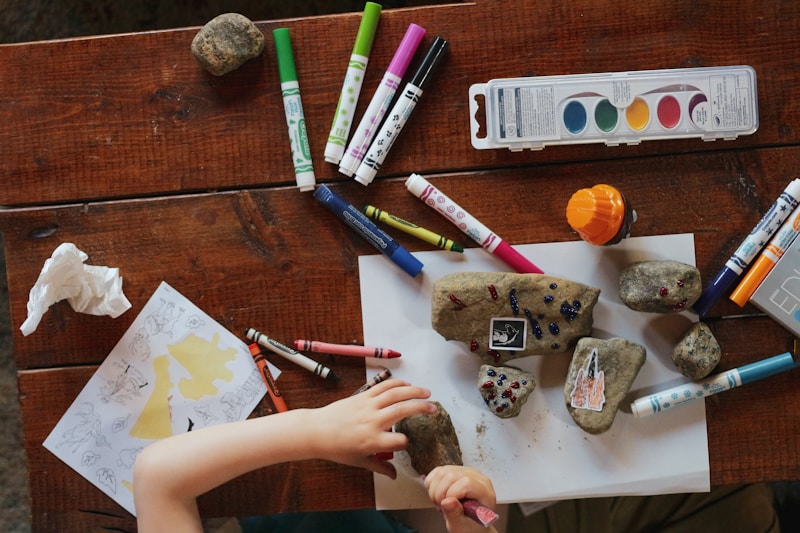
Drawing and coloring develop focus through creative expression. When kids are engaged in art, they're practicing sustained attention while exercising creativity. Provide a variety of materials and let your child choose what to create. When they're directing the process, they're more likely to stay engaged.
For more activity ideas organized by skill type, check out our guide on 50 screen-free activities.
Physical Activities That Improve Focus
Exercise is one of the most effective focus boosters available. Research shows that just 20 minutes of moderate physical activity can improve concentration for up to two hours afterward. That's a fantastic return on investment.
Yoga for kids is particularly effective because it combines physical activity with mindfulness and breathing. Kid-friendly yoga poses develop body awareness, balance, and concentration all at once. You can find free kid yoga videos online to follow along with.
Outdoor play in natural settings also improves focus. Studies show that spending time in nature reduces mental fatigue and improves attention. Even a short walk in a park can help reset a child's focus. Try incorporating outdoor time into your daily routine.
Breathing and Mindfulness Exercises
Teaching kids breathing exercises is one of the most powerful focus-building tools available. When kids learn to calm their bodies and minds through breathing, they develop the ability to self-regulate and refocus when distracted.
"Balloon breathing" is perfect for young kids. Have them put their hands on their belly and imagine inflating a balloon. Breathe in through the nose for four counts, hold for two, and blow out through the mouth for four. Practice this daily, especially before activities that require focus.
"Five senses grounding" is another excellent mindfulness exercise. Ask your child to name five things they can see, four things they can hear, three things they can touch, two things they can smell, and one thing they can taste. This exercise brings attention to the present moment and calms the mind.
Creating a Focus-Friendly Environment
The environment your child is in significantly affects their ability to focus. Clutter, noise, and visual distractions all compete for attention, making concentration harder.
Create a quiet space in your home where your child can do focused activities. It doesn't need to be a separate room. A corner with a small table, a comfortable chair, and a few activities is sufficient. Keep this space simple and uncluttered.
Reduce unnecessary distractions during focused activities. Turn off the TV, put away other toys, and minimize background noise. This helps your child practice focusing without competing stimuli.
Games That Build Attention Skills
Many classic children's games are excellent focus builders. "Simon Says" develops selective attention and impulse control. "I Spy" develops observational skills and sustained attention. "Red Light, Green Light" develops listening skills and body control.
Card games like Go Fish and Memory develop concentration and working memory. Board games develop sustained attention, turn-taking, and strategic thinking. Choose games that are appropriate for your child's age and gradually increase complexity as skills improve.
For a comprehensive list of games that build these skills, see our guide on brain games for preschoolers.
Building Focus Through Reading
Reading together is one of the best focus-building activities available. When you read to your child, they practice listening, visualizing, and following a narrative. These are all focus skills.
Start with shorter books for younger children and gradually increase the length as their attention span grows. Choose books with engaging illustrations and stories that capture their imagination. When kids are interested, they naturally focus more.
Ask questions during reading to keep your child engaged and thinking. "What do you think will happen next?" "Why did the character do that?" These questions maintain attention and develop comprehension skills simultaneously.
Developing Focus Through Music
Music activities develop focus in unique ways. Learning to play an instrument requires sustained attention, practice, and concentration. Even simple instruments like rhythm sticks or a small keyboard develop focus through musical engagement.
Singing songs with actions (like "Head, Shoulders, Knees, and Toes") develops attention and coordination. The combination of words, melody, and movement requires multiple focus skills simultaneously.
Listening to music and identifying instruments or following musical patterns develops selective attention. "What instruments can you hear?" "Is the music getting faster or slower?" These questions train focused listening.
Managing Screen Time for Better Focus
Excessive screen time can negatively impact children's ability to focus. Screens provide constant stimulation that trains the brain to expect rapid input, making it harder to focus on slower-paced activities like reading or homework.
Research suggests limiting screen time for preschoolers to about an hour per day of high-quality content. More importantly, ensure that screen time doesn't replace activities that develop focus, like outdoor play, reading, and creative activities.
When kids do use screens, choose educational content that encourages interaction and thinking rather than passive consumption. Shows that ask questions, pause for responses, and require active participation are better for focus development.
For more on managing screen time effectively, check out our guide on building focus without screen time.
Patience and Consistency Are Key
Building focus takes time and consistent practice. Don't expect overnight results. Instead, focus on gradual improvement and celebrate small victories along the way.
If your child struggles with focus, start small. Choose activities they enjoy and can succeed at, then gradually increase the challenge. Short, frequent practice sessions are more effective than long, infrequent ones.
Remember that every child develops differently. Some kids naturally develop focus earlier than others, and that's okay. The important thing is to provide consistent opportunities to practice and develop these skills. With patience and the right activities, every child can improve their ability to concentrate.
Tracking Progress and Staying Motivated
Keep a simple record of your child's focus activities and progress. Note which activities they enjoy, how long they can concentrate, and any improvements you observe. This helps you tailor activities to your child's needs and celebrates their growth.
Share your observations with your child in positive, specific ways. "You focused on that puzzle for 15 minutes without stopping. That's great concentration!" These acknowledgments help your child see themselves as someone who can focus, which motivates them to try again.
Building focus is a marathon, not a sprint. Stay patient, stay consistent, and trust that the skills you're building today will serve your child for a lifetime. The ability to concentrate is one of the most valuable skills your child can develop, and every bit of practice counts.