
Why Screen-Free Activities Are So Powerful
Let me start by saying I'm not anti-screen. Screens are part of modern life, and they have their place. But there's a growing body of research showing that excessive screen time can negatively impact children's brain development, attention, sleep, and social skills. And the antidote isn't complicated: screen-free activities that engage kids' brains in different, often deeper, ways.
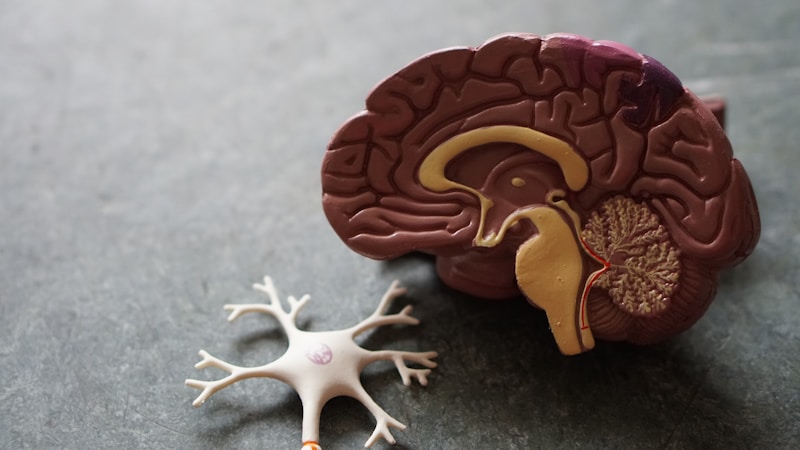
When kids spend time on screens, they're typically in a fairly passive mode. Even "interactive" apps and games are designed to keep kids engaged through constant stimulation, not through the kind of deep, focused attention that builds strong neural connections. Screen-free activities require kids to create their own stimulation, which is where the real brain-building happens.
I started being more intentional about screen-free activities with my kids a few years ago, and the difference was remarkable. Their attention spans improved, they became more creative, and they seemed more engaged with the world around them. These aren't just my observations. Research consistently supports the benefits of screen-free play for child development.
Building and Construction Activities
1. Block building challenges. Give your child a specific challenge (build the tallest tower, build a bridge that holds a book) and let them engineer solutions. This develops spatial reasoning, problem-solving, and persistence.
2. LEGO free build. Provide a bin of LEGO bricks and let kids create whatever they want. No instructions, no limits. This develops creativity, spatial reasoning, and fine motor skills.
3. Cardboard box construction. Large cardboard boxes become forts, cars, robots, and anything else kids can imagine. Add tape and scissors for construction projects that develop engineering thinking and creativity.
4. Magnetic tile creations. Magna-Tiles or similar magnetic building tiles allow kids to create 3D structures easily. They teach geometry, spatial reasoning, and engineering concepts.
5. Popsicle stick construction. Build houses, bridges, and other structures from popsicle sticks and glue. This develops patience, fine motor skills, and engineering thinking.
6. Pallet wood projects (supervised). Older kids can build simple projects from pallet wood with proper supervision. This teaches tool use, measurement, and construction skills.
7. Bottle cap construction. Save bottle caps and use them as building blocks for cars, robots, and other creations. This teaches recycling, creativity, and engineering thinking.
For more building activity ideas, check out our guide on 101 fun learning activities.
Creative Arts Activities
8. Free-form painting. Provide paints, brushes, and paper and let kids create whatever they want. This develops creativity, fine motor skills, and emotional expression.
9. Collage making. Provide magazines, scissors, glue, and paper for collage making. Cutting and gluing develops fine motor skills and creative thinking.
10. Playdough creations. Roll, cut, and shape playdough into creations. Add googly eyes and pipe cleaners for extra possibilities. This develops fine motor skills and creativity.
11. Mask making. Create masks from paper plates, construction paper, and craft supplies. This supports imaginative play and fine motor development.
12. Nature art. Use natural materials (leaves, flowers, sticks, rocks) to create art. This develops creativity and connection with nature.
13. Recycled material sculpture. Create art from recycled materials (cans, boxes, bottles). This teaches environmental awareness and creativity.
14. Fabric and fiber art. Use fabric scraps, yarn, and thread to create textile art. This develops fine motor skills and creative expression.
Science and Discovery Activities
15. Kitchen science experiments. Mix baking soda and vinegar for eruptions, grow crystals, or create simple circuits. These activities teach scientific thinking and curiosity.
16. Nature observation. Use magnifying glasses to examine insects, leaves, and other natural objects. This teaches observation skills and scientific inquiry.
17. Planting and growing. Plant seeds and track their growth. This teaches biology, responsibility, and patience.
18. Weather tracking. Keep a daily weather diary with observations about temperature, precipitation, and cloud types. This teaches meteorology basics and observation skills.
19. Rock and mineral collection. Collect and classify rocks and minerals. This teaches geology and classification skills.
20. Simple machines exploration. Explore levers, pulleys, and inclined planes using household objects. This teaches physics concepts through hands-on exploration.
21. Sound exploration. Create musical instruments from household objects and explore how different materials make different sounds. This teaches about vibrations and sound waves.
22. Shadow investigation. Track shadows throughout the day to learn about the sun's movement. This teaches astronomy basics and observation skills.
Movement and Physical Activities
23. Obstacle course. Set up a course with jumping, crawling, climbing, and balancing challenges. This develops gross motor skills, coordination, and problem-solving.
24. Dance party. Put on music and dance freely. This develops rhythm, coordination, and emotional expression.
25. Yoga for kids. Follow kid-friendly yoga videos or create your own poses. This develops flexibility, balance, and mindfulness.
26. Nature walks and hikes. Explore trails, parks, and natural areas. This develops observation skills, physical fitness, and connection with nature.
27. Balloon volleyball. Hit a balloon back and forth without letting it touch the ground. This develops hand-eye coordination and cooperation.
28. Jump rope. Practice jumping rope alone or with others. This develops coordination, timing, and cardiovascular fitness.
29. Hide and seek. Play the classic game in various settings. This develops problem-solving, spatial awareness, and physical fitness.
30. Scavenger hunts. Create lists of things to find and race to find them all. This develops observation skills, physical fitness, and problem-solving.
Problem-Solving and Logic Activities
31. Puzzles. Work on age-appropriate puzzles. This develops spatial reasoning, problem-solving, and persistence.
32. Board games. Play age-appropriate board games. This develops turn-taking, rule-following, and strategic thinking.
33. Card games. Play simple card games. This develops matching, counting, and strategic thinking.
34. Riddles and brain teasers. Solve simple riddles and brain teasers. This develops critical thinking and logical reasoning.
35. Pattern creation. Use beads, blocks, or other materials to create patterns. This develops pattern recognition and sequencing.
36. Coding unplugged. Learn basic coding concepts without computers using activities like programming a friend to make a sandwich. This teaches computational thinking.
37. Strategy games. Play strategy games like chess (simplified versions for young kids). This develops strategic thinking and planning.
For more problem-solving activities, see our guide on brain games for preschoolers.
Social and Emotional Activities
38. Cooperative games. Play games where everyone works together toward a common goal. This develops teamwork and cooperation.
39. Role-playing scenarios. Act out different social situations (visiting the doctor, going to the store). This develops social skills and empathy.
40. Storytelling. Take turns telling stories, building on each other's ideas. This develops language, creativity, and listening skills.
41. Feelings check-in. Do a daily feelings check-in where family members share how they're feeling. This develops emotional awareness and family connection.
42. Compliment circle. Sit in a circle and give each person a compliment. This develops social awareness and kindness.
43. Conflict resolution practice. Role-play common conflicts and practice resolving them peacefully. This develops problem-solving and social skills.
44. Family meetings. Hold regular family meetings where everyone gets a voice. This develops communication and democratic participation.
Musical and Rhythm Activities
45. Kitchen concerts. Use pots, pans, wooden spoons, and other kitchen items as musical instruments. This develops rhythm and creativity.
46. Singing sessions. Sing songs together, including rounds and harmonies. This develops musical skills and cooperation.
47. Rhythm games. Create rhythm patterns with clapping, stomping, or tapping. This develops musical skills and coordination.
48. Listening to music. Listen to various genres of music and discuss what you hear. This develops musical appreciation and critical listening skills.
49. Making instruments. Create simple instruments from household objects (rubber band guitars, rice shakers). This develops creativity and understanding of sound production.
50. Dance and movement to music. Create movements to music, exploring different tempos and styles. This develops rhythm, coordination, and creative expression.
Making Screen-Free Activities Stick
The key to making screen-free activities work is consistency and variety. Establish regular times for screen-free activities (like after dinner or on weekend mornings) and rotate activities to keep things fresh and engaging.
Let your child have input on which activities to do. When kids have choice and control, they're more engaged and motivated. Create an activity jar with options written on slips of paper, and let your child pull one out when they need inspiration.
And remember, the goal isn't to eliminate screens entirely. It's to create a balanced approach where screen-free activities are a regular and valued part of your family's routine. When kids discover how much fun they can have without screens, they'll naturally gravitate toward these activities more often.
For more on building these important skills, check out our guide on executive function skills for parents which explains how these activities support important cognitive development.