
Every Child Is Born with Unique Gifts
From the moment they enter the world, children display individual personalities and preferences. Some are naturally drawn to music, while others prefer building with blocks or telling stories. These early inclinations often hint at underlying talents that can be developed with proper support and encouragement. Recognizing these gifts early gives parents a roadmap for nurturing their child's potential.
Understanding that every child has something special to offer is the first step in nurturing their natural abilities. It's not about pushing them toward a particular path but rather observing what makes their eyes light up and building from there. The most successful approach combines careful observation with gentle encouragement that follows the child's natural interests and motivations.
Recognizing Early Signs of Talent
Talents often manifest in subtle ways during the early years. A child who consistently gravitates toward drawing might have exceptional visual-spatial intelligence. One who remembers every song they hear could have a natural musical gift. Pay attention to what your child does voluntarily and enthusiastically, especially during unstructured time when they're free to choose their own activities.
Watch for patterns in their behavior. Do they ask endless questions about how things work? They might be a natural scientist. Do they prefer playing alone with imaginary friends? They could be developing strong creative thinking skills. These early indicators can help guide your approach to talent development. The key is to notice what energizes your child rather than what exhausts them.
The Importance of a Supportive Environment
Creating a nurturing environment doesn't mean enrolling your child in every enrichment class available. Instead, focus on providing access to diverse experiences and letting your child gravitate toward what interests them. A supportive home encourages exploration without pressure. This means having materials available, time set aside, and an attitude that values the process of learning.
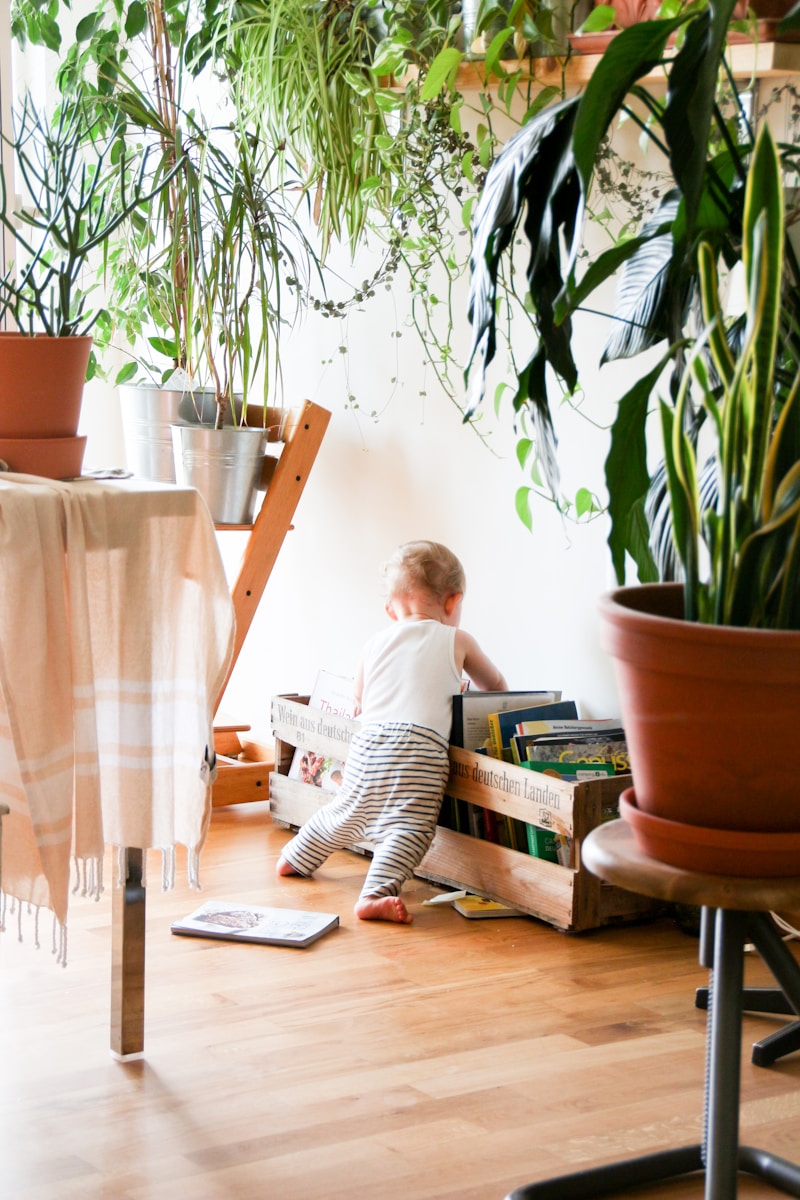
Simple things like having art supplies readily available, books within reach, and musical instruments accessible can make a big difference. When children feel free to explore their interests naturally, they develop confidence and intrinsic motivation to learn. The environment should invite curiosity and reward exploration without demanding specific outcomes.
Observing Without Projecting
One of the biggest challenges parents face is distinguishing between their own dreams and their child's genuine interests. It's natural to want your child to pursue activities you enjoy, but true talent development requires letting go of personal biases and observing your child objectively. This objectivity allows you to see your child's unique strengths clearly.
Take notes on what your child chooses to do during free time. Notice which activities make them lose track of time and which ones they return to repeatedly. These observations will give you a clearer picture of their natural inclinations than any standardized test or assessment. Write down your observations and look for patterns over weeks and months.
Nurturing Different Types of Intelligence
Howard Gardner's theory of multiple intelligences suggests that talent comes in many forms. Linguistic, logical-mathematical, spatial, musical, bodily-kinesthetic, interpersonal, intrapersonal, and naturalistic intelligences all represent valid paths to success. Your child might excel in one or several of these areas, and recognizing this diversity helps you provide appropriate support.
Recognizing and supporting diverse forms of intelligence helps children develop a well-rounded skill set. Even if a particular talent doesn't seem practical in the traditional sense, it often translates into valuable life skills and career opportunities. The key is to value all forms of intelligence equally and provide opportunities for each to develop.
Balancing Support with Independence
While it's important to provide guidance and resources, over-scheduling and micromanaging can stifle creativity and motivation. Children need unstructured time to experiment, make mistakes, and discover their own paths. Finding the right balance between support and independence is crucial for healthy talent development.
Offer encouragement and resources, but let your child take the lead in their learning journey. When they feel ownership over their development, they're more likely to persist through challenges and achieve their full potential. Your role is to facilitate, not direct, their exploration and growth.
The Role of Positive Reinforcement
How you respond to your child's efforts significantly impacts their confidence and willingness to explore new skills. Praising effort rather than outcome helps children develop a growth mindset and resilience. They learn that hard work and perseverance matter more than natural ability alone. This approach builds character alongside capability.
Avoid comparing your child to siblings, classmates, or other children. Every child develops at their own pace, and comparisons can create unnecessary anxiety and self-doubt. Focus on individual progress and celebrate each milestone along the way. The goal is to help your child become the best version of themselves, not a copy of someone else.
Providing Access to Diverse Experiences
Exposing children to a wide range of activities helps them discover interests they might not have encountered otherwise. Museums, libraries, community events, and nature outings all provide opportunities for children to explore new topics and develop new skills. These experiences broaden their horizons and expand their possibilities.
You don't need to spend a fortune on enrichment programs. Many communities offer free or low-cost activities that can spark your child's imagination. The key is variety and consistency, not expense. Regular exposure to diverse experiences is more valuable than occasional expensive outings.
When to Seek Professional Guidance
While parents play a crucial role in identifying and nurturing talent, sometimes professional guidance can provide additional support. Teachers, coaches, and mentors who work with children can offer valuable insights into your child's strengths and areas for growth. Their experience with many children gives them perspective that parents sometimes lack.
If you notice exceptional ability in a particular area, consider consulting with specialists who can provide appropriate challenges and resources. Early identification of giftedness can help ensure your child receives the support they need to thrive. Don't wait too long to seek help if you notice something special about your child's abilities.
Supporting Talent Through Challenges
Developing talent requires patience, practice, and the ability to overcome obstacles. When your child encounters frustration or wants to give up, it's important to offer support without taking over. Help them break challenges into smaller, manageable steps and celebrate incremental progress. This teaches them that struggle is part of growth.
Teaching children that struggle is a normal part of learning helps them develop persistence and resilience. These qualities will serve them well not only in talent development but in all areas of life. The ability to persevere through difficulty is often more important than raw talent.
Creating Long-Term Development Plans
Once you've identified your child's interests and strengths, consider creating a loose development plan that allows for growth while remaining flexible. Set realistic goals together and regularly review progress. Adjust the plan as your child's interests evolve and new opportunities arise. The plan should be a guide, not a rigid structure.
Remember that talent development is a marathon, not a sprint. The most successful individuals are those who maintained their passion and continued developing their skills over many years. Your role is to support the journey, not rush to the finish line. Patience and persistence are your greatest allies.
Celebrating the Journey
Finally, remember to enjoy the process of discovering and nurturing your child's talents. The time you spend together exploring interests and building skills creates lasting memories and strengthens your relationship. Focus on the joy of learning rather than achievement, and your child will develop a lifelong love of growth and discovery. The journey itself is the reward.