Why Preschool Choice Matters So Much
Choosing a preschool is one of those big parenting decisions that can feel pretty stressful. You want your kid to have the best start, right? But with so many options out there, it's easy to get lost in all the choices. The truth is, the right preschool can make a huge difference in how your child adapts to learning and socializing. So let's break it down and figure out how to make this decision without losing your mind.
First off, remember that every child is different. What works for one kid might not work for another. Some kids thrive in structured environments, while others need more freedom to explore. Knowing your child's personality and learning style is the first step toward finding a preschool that fits. This is similar to the process of choosing any learning program, and the same principles apply.
Understanding Your Child's Needs
Before you start touring preschools, take a moment to think about your child. What are their strengths? What do they struggle with? Are they shy or outgoing? Do they love arts and crafts, or are they more into building blocks? These things matter because they'll help you narrow down the type of program that suits them best.
If your child is shy, for example, a smaller class size might help them feel more comfortable. If they're super active, a program with lots of outdoor play time could be a good fit. Understanding your child's needs gives you a solid starting point for your search. Many parents also consider brain development classes as a supplement to preschool, which can further enhance their child's growth.
Research Different Teaching Approaches
There are a bunch of different teaching philosophies out there. You've probably heard of Montessori, but there's also Reggio Emilia, Waldorf, and play-based learning. Each approach has its own style, and they're all valid in their own way.
Montessori focuses on independent learning and hands-on activities. Waldorf emphasizes creativity and imagination. Play-based programs let kids learn through fun activities rather than formal lessons. Look into each approach and see which one resonates with your values and your child's personality.
Visit Multiple Preschools
Don't just pick the first preschool you find online. Visiting in person is super important. You can learn so much just by walking through the classrooms and watching how teachers interact with the kids. Pay attention to the atmosphere. Does it feel warm and welcoming? Are the kids engaged and happy?
Try to visit at least three to four preschools before making a decision. This gives you a good comparison and helps you get a feel for what's out there. Plus, you'll notice differences in how each place operates, which can help you decide what matters most to you. When you visit, bring your child along if possible so you can see how they respond to the environment.
Check Teacher Qualifications
The teachers are the heart of any preschool. A great teacher can inspire a love of learning in your child, while a bad experience can turn them off from school altogether. Ask about the teachers' qualifications, experience, and training. Do they have degrees in early childhood education? How long have they been teaching?
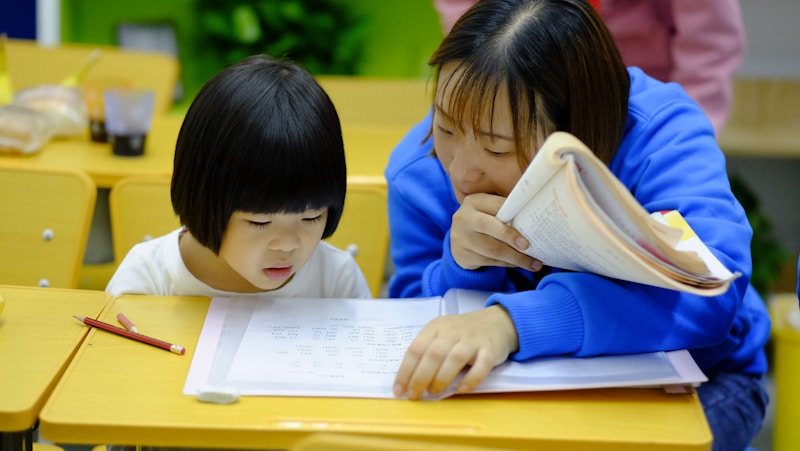
Also, observe how they interact with the kids. Are they patient, kind, and attentive? Do they get down on the kids' level and engage with them? These are the kinds of things that make a real difference in your child's day-to-day experience. A qualified teacher who genuinely cares about young children can turn even the most hesitant kid into an enthusiastic learner.
Look at Class Sizes and Ratios
Class size matters more than you might think. Smaller classes usually mean more individual attention for each child. Most experts recommend a teacher-to-student ratio of about 1:8 for preschool-age kids. If the classes are too big, your child might not get the support they need.
Ask about the daily schedule too. How much time is spent on structured activities versus free play? Is there a balance? A good preschool will have a mix of both, giving kids time to learn and time to just be kids. The right balance keeps children engaged without overwhelming them.
Evaluate the Learning Environment
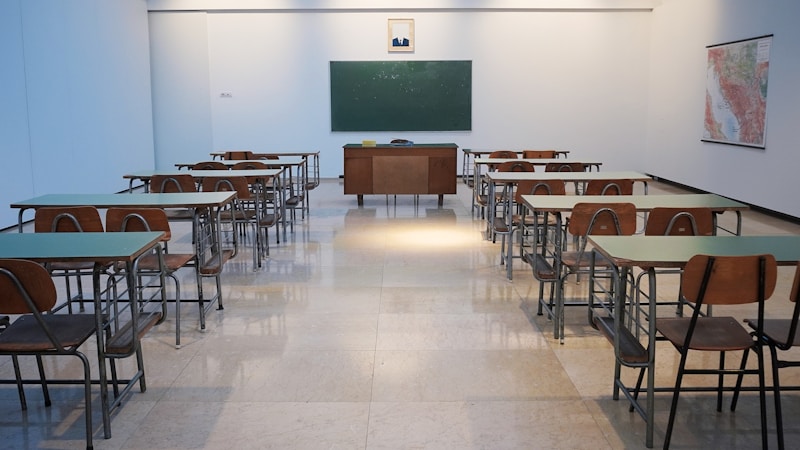
Take a close look at the physical space. Are the classrooms clean and organized? Is there plenty of natural light? Do the materials look well-maintained and age-appropriate? A good learning environment should feel safe, stimulating, and inviting.
Check out the outdoor play area too. Kids need space to run, climb, and explore outside. Make sure the playground is safe and has a variety of equipment. Fresh air and physical activity are important for young children's development. Some preschools also integrate nature-based learning into their outdoor spaces, which is great for curiosity and exploration.
Understand the Curriculum
Ask for details about what the preschool teaches. What does a typical day look like? Are there activities focused on literacy, math, science, and social skills? A good curriculum should be balanced and age-appropriate, giving kids a chance to develop in all areas.
Also, find out how they assess progress. Do they keep parents informed about how their child is doing? Regular updates and parent-teacher conferences are signs of a program that values communication and transparency. Many of the best preschool programs share daily updates through apps or journals.
Consider Location and Logistics
Let's be real, convenience matters. If the preschool is a 30-minute drive away, that's going to add up in terms of time and stress. Look for options that are close to your home or workplace. A convenient location makes the daily drop-off and pick-up a lot easier.
Also, check the hours. Do they align with your work schedule? Some preschools offer half-day programs, while others are full-day. Make sure the timing works for your family before you commit. If you need after-school care, look into the best after-school programs for kids as well.
Ask About Policies and Procedures
Every preschool has its own set of policies around things like discipline, illness, nutrition, and communication. Make sure you're comfortable with these policies before enrolling your child. For example, how do they handle behavior issues? What's their sick child policy? Do they provide snacks or meals?
Understanding these details upfront can save you headaches later. You want to feel confident that the preschool's values align with your own. Don't be afraid to ask tough questions about safety, nutrition, and emergency procedures either.
Trust Your Instincts
After you've done all the research and visited a few places, trust your gut feeling. Sometimes you just know when a place is right. If a preschool feels like a good fit for your child and your family, that's a strong sign. Don't overthink it too much once you've done your homework.
Remember, the goal is to find a place where your child feels safe, happy, and excited to learn. If you can find that, you've made a great choice. And if you're still unsure, you can always start with a trial period to see how things go. Good luck out there, you've got this!
Final Thoughts on Making the Choice
Choosing a preschool doesn't have to be a nightmare. Take it one step at a time, do your research, and keep your child's needs front and center. With a little patience and persistence, you'll find a program that sets your child up for success. And hey, if you're still unsure, you can always start with a trial period to see how things go. Good luck out there, you've got this!
Remember, this decision is just one part of your child's education journey. Whether you go with a traditional preschool, a Montessori program, or something else entirely, what matters most is that your child feels supported and encouraged to grow. For more guidance on educational choices, check out our guide on comparing Montessori and early learning programs. Every small step you take now lays the groundwork for a lifetime of learning.