Where Gentle Parenting Meets Brain Development
I discovered right brain education and gentle parenting around the same time. What surprised me was how naturally they complement each other. Both focus on connection, respect, and nurturing the whole child.
The Core Connection
Gentle parenting is built on empathy, understanding, and respect for your child's feelings. Right brain education emphasizes emotional intelligence, creativity, and imagination. Both recognize that children learn best when they feel safe and connected.
Think about it: when a child feels threatened or anxious, their brain goes into survival mode. Learning stops. When they feel safe and loved, their brain is open to new experiences and information.
How This Looks in Daily Life
Instead of forcing flashcard sessions when your child is resisting, gentle parenting encourages you to pause and connect first. Maybe they're tired, hungry, or overwhelmed. Address those needs, then try again later.
When my daughter was going through a phase where she refused to do her brain exercises, I didn't push. Instead, I sat with her, acknowledged her feelings, and waited. Within a week, she was back at it voluntarily, more engaged than ever.
Creating a Learning Environment
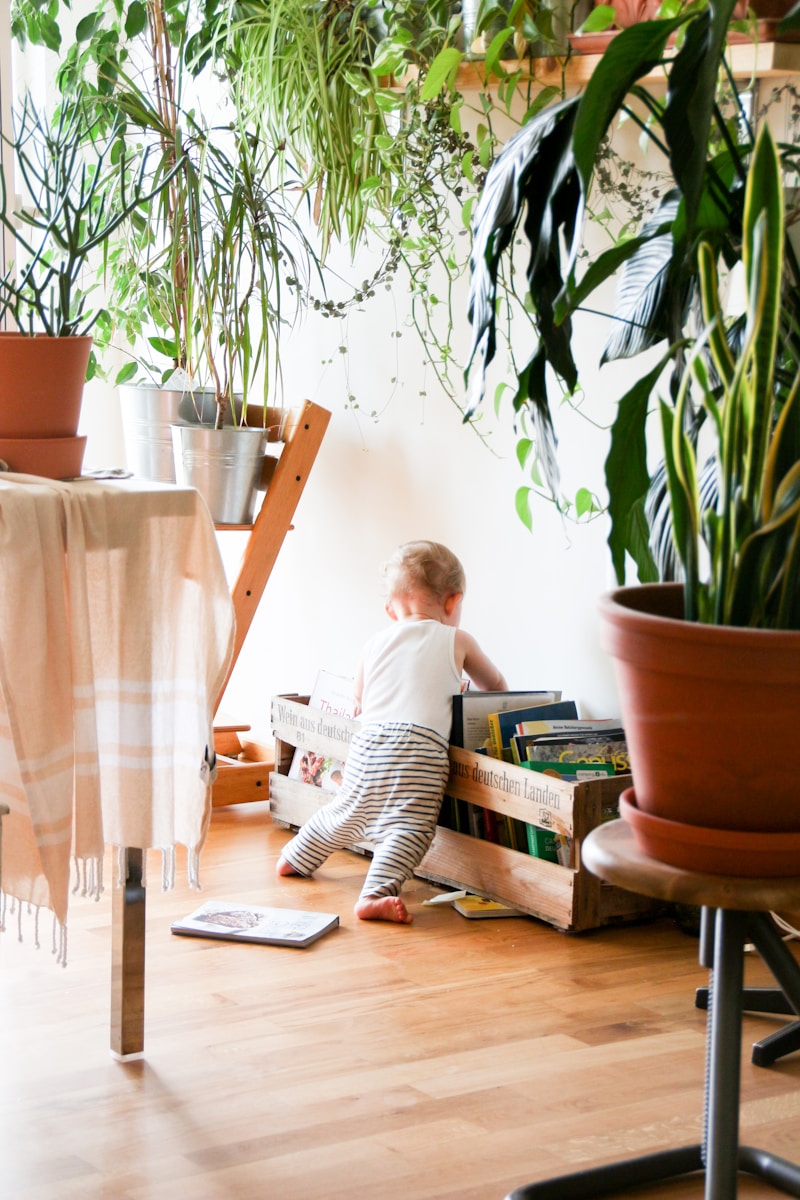
Gentle parenting teaches us to create environments that support our children's natural development. In right brain education, this translates to setting up spaces that inspire creativity and exploration.
Stock your home with open-ended toys, art supplies, books, and nature materials. Let your child lead their own learning journey within these rich environments.
The Power of Play
Both approaches prioritize play as the primary vehicle for learning. Play isn't just fun, it's how children's brains make sense of the world. Through play, they develop problem-solving skills, creativity, and social understanding.
When you integrate right brain activities into play, you get powerful results. A simple game of pretend becomes a visualization exercise. Sorting toys becomes a categorization activity. Building blocks becomes spatial reasoning training.
Handling Resistance
Every parent encounters resistance. The gentle approach is to respect your child's boundaries while gently encouraging growth. This aligns perfectly with right brain education, which emphasizes nurturing, not forcing.
If your child doesn't want to participate in an activity, don't force it. Offer alternatives, take a break, or simply try again tomorrow. Consistency over time matters more than any single session.
Building Emotional Intelligence
Gentle parenting helps children process emotions. Right brain education develops emotional awareness through activities like storytelling and visualization. Together, they create emotionally intelligent children who can navigate life's challenges with resilience.
This combination has been transformative for our family. My children are not only developing cognitive skills but also learning how to understand and manage their emotions.