
The Great Education Debate: Digital vs Traditional
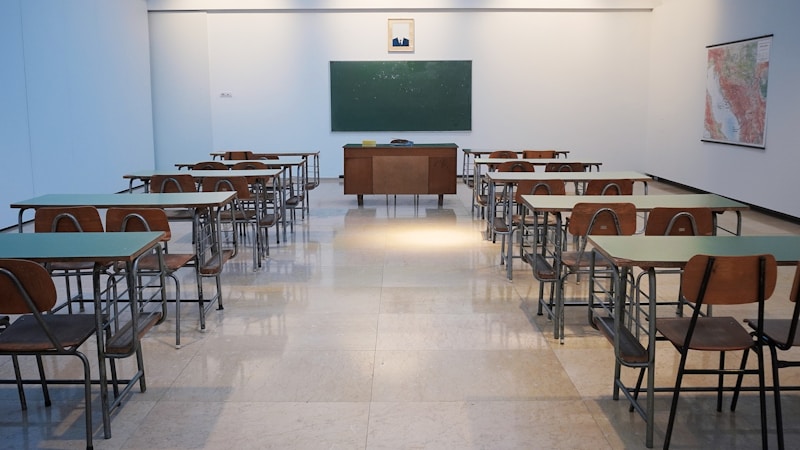
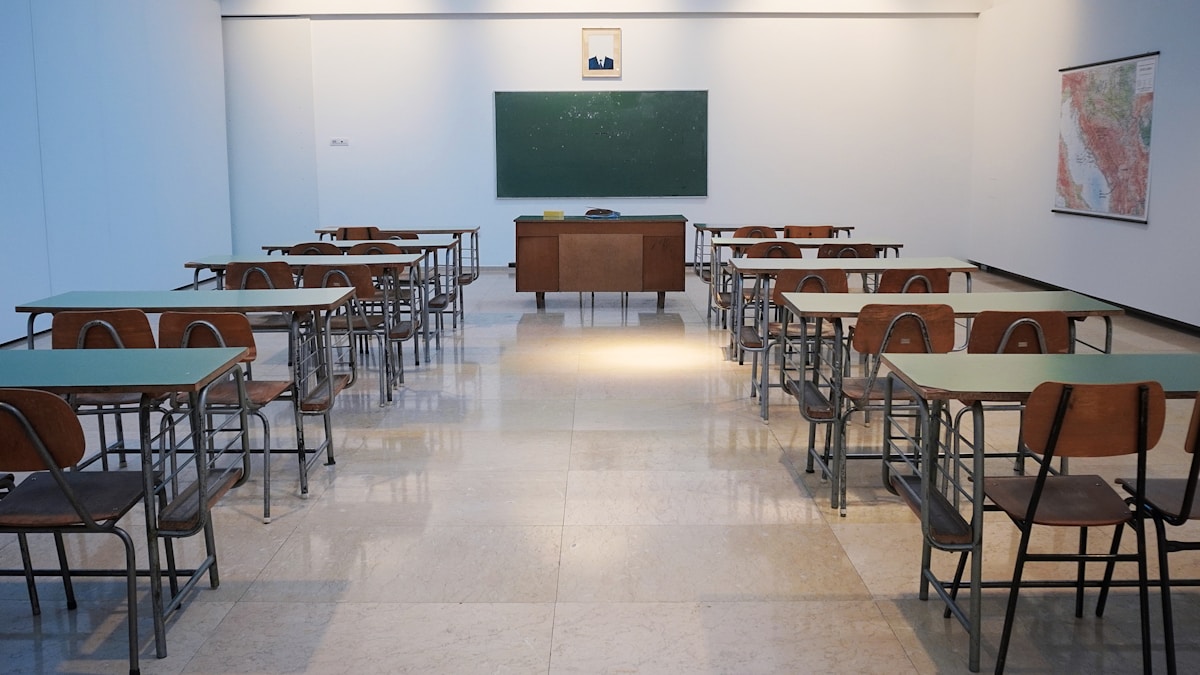
Remember when learning meant textbooks, chalkboards, and wooden desks? Those days aren't completely gone, but education has changed dramatically. My kids experience a completely different learning environment than I did. And honestly, it's fascinating to watch.
The digital learning revolution isn't just about swapping paper for screens. It's a fundamental shift in how information is delivered, absorbed, and applied. Some parents embrace it wholeheartedly. Others remain skeptical. Both sides have valid points.
Let's break down the real differences between digital and traditional learning. Not the hype. Not the fear. Just honest, practical observations from someone who's navigated both worlds with their own children.
What Traditional Learning Does Best
Traditional learning has survived centuries for a reason. It works. There's something powerful about a teacher standing in front of a classroom, using their voice, gestures, and presence to convey knowledge. My daughter's first grade teacher could command a room of twenty-five six-year-olds like a conductor leading an orchestra.
Physical textbooks have their own charm. The weight of a book in your hands, the smell of pages, the ability to scribble notes in margins. These tactile experiences create memories. Studies show that handwriting notes improves retention compared to typing. There's science behind the tradition.
Social interaction happens naturally in traditional classrooms. Kids learn to raise their hands, wait their turn, and collaborate on group projects. These social skills are crucial. You can't fully replicate them through a screen.
Where Digital Learning Shines
Digital learning offers something traditional classrooms often can't. Personalization. When my son uses an online math program, it adjusts to his exact level. No waiting for the class to catch up. No sitting through material he already understands. Pure, efficient learning.
Accessibility is another huge advantage. A child in a rural village can access the same quality content as a student in a big city. The internet democratizes education in ways previous generations couldn't imagine. That's incredibly powerful.
Immediate feedback changes the learning process entirely. Instead of submitting homework and waiting days for results, digital platforms provide instant corrections. Kids learn from mistakes immediately. Bad habits don't have time to form. Check out how AI enhances learning for more on this.
The Attention Span Challenge
What Research Shows
Let's address the elephant in the room. Digital learning comes with distractions. Notifications, games, videos, social media. Even on dedicated learning devices, temptation lurks. My kids have mastered the art of switching apps when they think I'm not looking.
Traditional classrooms eliminate most of these distractions. No phones, no games, no internet browsing. Just focused learning time. The structure provides accountability. A teacher watching makes a difference. Peer pressure keeps kids on task.
However, I've noticed something interesting. My kids' attention spans are adapting. They can focus intensely on interactive digital content for longer periods. The challenge is transferring that focus to less stimulating tasks. It's a skill we actively work on at home.
Cost Considerations for Families
Money matters. Traditional education often involves hidden costs. Textbooks, supplies, uniforms, field trips. Digital learning has its own expenses. Devices, software subscriptions, internet access. Both approaches require financial investment.
Interestingly, many digital resources are free. Khan Academy, Coursera, and similar platforms offer quality content without subscription fees. Traditional schools charge tuition or taxes regardless. The cost-benefit analysis isn't straightforward.
For families on tight budgets, digital learning can actually be more affordable. A tablet with educational apps costs less than a year of private tutoring. The key is choosing wisely and avoiding unnecessary premium subscriptions.
Social Development: Different Approaches
Traditional schools provide built-in social environments. Kids make friends, resolve conflicts, and develop interpersonal skills daily. The playground, cafeteria, and classroom become social laboratories. These experiences are invaluable.
Digital learning can feel isolating. Online classes lack the physical presence of peers. Virtual interactions feel different from face-to-face conversations. My daughter once told me that Zoom classes make her feel lonely. That broke my heart a little.
However, digital platforms are evolving. Virtual study groups, collaborative projects, and social features are becoming standard. It's not perfect yet, but the gap is closing. Hybrid approaches that combine both worlds might be the sweet spot.
Learning Pace and Flexibility
Making the Switch
Every child learns at their own pace. Traditional classrooms must balance the needs of thirty different students. Some kids need more time. Others need more challenge. Teachers do their best, but individual attention is limited.
Digital learning offers unlimited flexibility. Pause a video. Rewind a lesson. Take extra practice quizzes. My son rewatches science experiments until he fully understands them. He can't do that in a traditional classroom. The lesson moves on.
Flexible scheduling is another digital advantage. Learning doesn't have to happen between 8 AM and 3 PM. Some kids learn better in the evening. Others prefer early mornings. Digital platforms accommodate these preferences naturally.
Assessment and Progress Tracking
Traditional assessments have limitations. Tests and quizzes capture a moment in time. They don't always reflect true understanding. Some kids freeze during exams despite knowing the material perfectly.
Digital platforms track continuous progress. They identify patterns, strengths, and weaknesses over time. Data-driven insights help parents and teachers understand each child's journey. It's more comprehensive than occasional test scores.
However, traditional assessments teach important skills too. Working under pressure, managing time, and handling stress are real-world abilities. Both approaches have merit here.
The Role of Parents in Each Model
Expected Outcomes
Traditional education often assumes parents have limited involvement beyond homework help. Teachers lead instruction. Parents support. The boundaries are relatively clear.
Digital learning requires more parental engagement. Someone needs to manage screen time, troubleshoot technical issues, and monitor online activities. It's more demanding. I spend significant time ensuring my kids use technology productively.
For busy parents, this additional responsibility can feel overwhelming. It's worth considering your family's capacity before choosing digital learning. The best approach is the one you can realistically manage.
Hybrid Models: The Best of Both Worlds
Here's my honest opinion. The future isn't purely digital or purely traditional. It's hybrid. My kids attend a school that combines classroom instruction with digital supplements. They get the social benefits of traditional learning with the personalization of digital tools.
The results have been impressive. My daughter excels in subjects where she gets personalized digital practice. She thrives socially in traditional classroom settings. The combination works beautifully.
Don't fall for the either/or trap. Both approaches have strengths and weaknesses. Smart parents combine elements from both to create optimal learning experiences for their children.
Making Your Decision
Choosing between digital and traditional learning isn't a one-size-fits-all decision. Consider your child's personality, learning style, and needs. Consider your family's resources, values, and capacity. What works for one family might not work for another.
My advice? Try both. Many schools offer trial periods or hybrid options. Let your child experience different approaches. Their feedback, combined with your observations, will guide you. Don't rush the decision. It matters too much.
Remember, the goal isn't choosing the "better" method. It's choosing the better method for YOUR child. That distinction makes all the difference in the world.
For more on this topic, explore right brain development activities at home and brain exercises that improve memory.