Your Home as a Classroom
The environment you create at home significantly impacts your child's learning. Here's how to design spaces that support brain development and educational growth.
Reading Corners
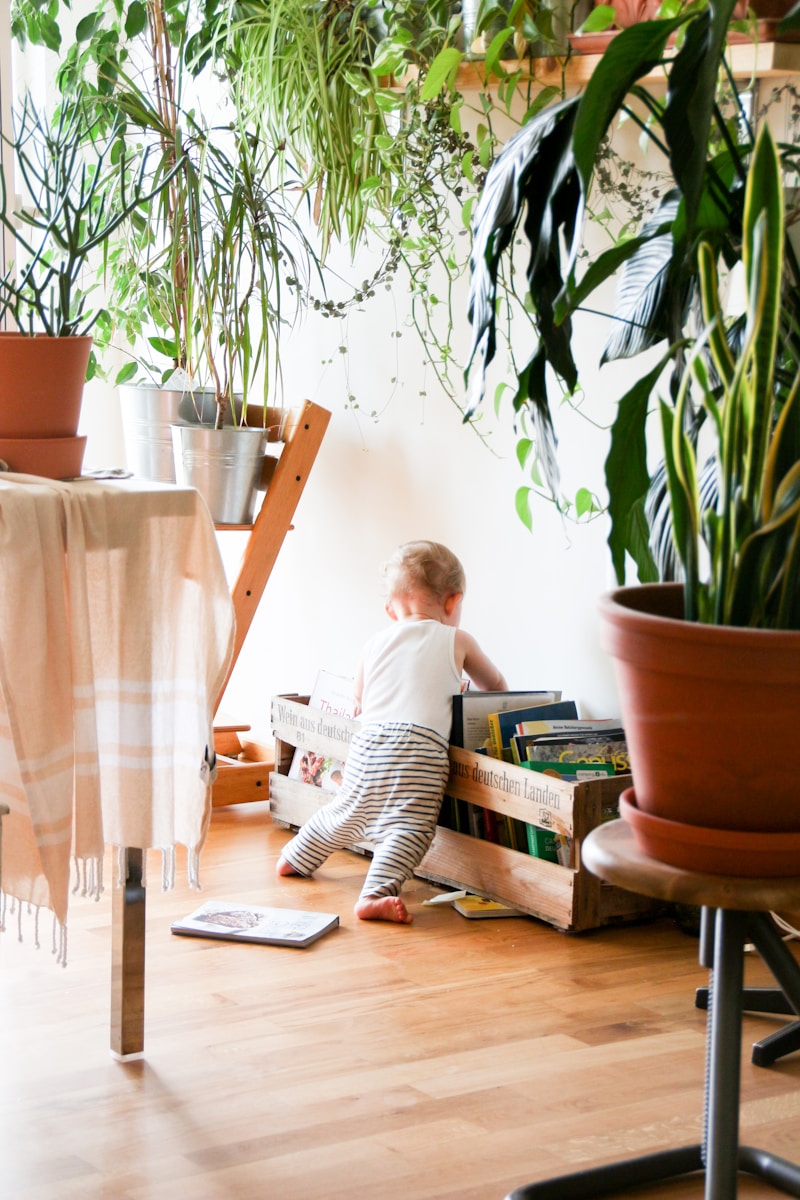
Create cozy reading spaces with comfortable seating, good lighting, and accessible books. A dedicated reading corner invites children to read daily.
Make books visible and easy to reach.
Art Stations
Set up areas with art supplies: paper, crayons, paint, glue, scissors. Having materials accessible encourages spontaneous creative expression.
Protect surfaces and allow mess within boundaries.
Learning Materials
Keep flashcards, puzzles, educational toys, and brain-building games organized and accessible. When materials are visible, children use them more often.
Rotate materials to maintain interest.
Quiet Spaces
Provide areas for quiet, focused activities. Not every space needs to be high-energy. Quiet corners support concentration and calm learning.
Every child needs a calm retreat.
Active Play Areas
Designate spaces for physical activity, even indoors. Building blocks, dance areas, and movement spaces support physical and cognitive development.
Active bodies support active brains.
Natural Elements
Incorporate natural light, plants, and nature materials. Research shows natural environments support learning and reduce stress.
Connect learning to nature.
Organization
Keep learning spaces organized. Cluttered spaces create distracted minds. Teach children to maintain their learning environments.
Organization supports focus.
Personalization
Let children contribute to their learning spaces. Their artwork on walls, their choices of materials, their organization. Ownership increases engagement.
Children learn best in spaces they help create.