
Understanding Child Development Stages
Watching a child develop from a helpless newborn to an independent eight-year-old is one of the most remarkable experiences of parenthood. But it can also be confusing and anxiety-inducing, especially when you're wondering whether your child is "on track." Understanding the typical stages of child development can ease your worries and help you provide the right support at the right time.
It's important to remember that development is a process, not an event. Children don't develop in neat, linear progressions. They grow in spurts, sometimes leaping ahead in one area while seeming to plateau in another. The stages I'm going to describe are guidelines, not rigid timelines. Every child develops at their own pace, and there's a wide range of normal.
Birth to 6 Months: The Foundation Stage
In the first six months of life, babies are busy building the neural connections that will support all later development. They're learning to focus their eyes, recognize faces, respond to sounds, and control their bodies. Motor skills develop from reflexive movements to more controlled reaching and grasping.
Socially, babies are forming their first attachments and learning that the world is a safe, predictable place. They begin to smile, coo, and engage in simple interactions with caregivers. These early social experiences lay the foundation for all future relationships.
6 to 12 Months: Exploring the World
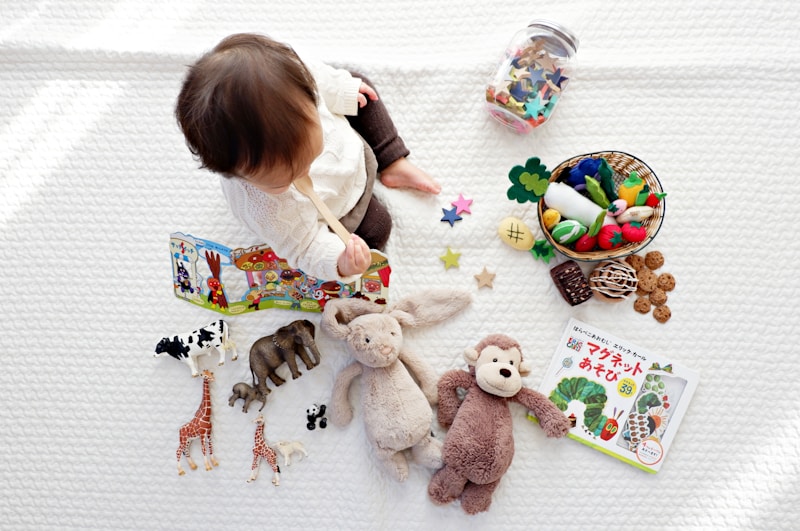
Between six and twelve months, babies become increasingly mobile and curious. Crawling, pulling up, and eventually standing and cruising transform their relationship with the environment. They can now explore, reach for objects, and interact with their world in more active ways.
Language development accelerates during this period. Babies begin to understand simple words, respond to their names, and eventually say their first words. They also develop object permanence the understanding that things continue to exist even when they can't be seen which is a major cognitive milestone.
12 to 18 Months: Independence Emerges
The toddler years bring increasing independence and autonomy. Children begin to walk confidently, feed themselves, and explore their environment with growing confidence. They're developing a sense of self and beginning to assert their preferences and opinions.
Language continues to develop rapidly. By 18 months, most children have a vocabulary of 10-50 words and are beginning to combine words into simple phrases. They understand far more language than they can produce, following simple instructions and responding to questions.
18 Months to 3 Years: The Language Explosion
Between 18 months and three years, language development is perhaps the most dramatic. Children's vocabularies expand from dozens of words to thousands of words. They begin to speak in sentences, ask questions, and tell simple stories. This language explosion opens up new worlds of communication and learning.
Socially, children begin to engage more with peers, though parallel play (playing alongside rather than with others) is still common. They're developing empathy, learning to share (sort of), and beginning to understand rules and expectations. Emotional regulation is a work in progress tantrums are normal and expected at this age.
3 to 4 Years: Imagination Takes Flight
Three and four-year-olds are in the peak of imaginative play. They create elaborate pretend scenarios, assign roles, and sustain play for extended periods. This imaginative play develops abstract thinking, social skills, language, and emotional understanding in ways that no formal lesson can match.
Cognitively, children at this age are beginning to understand concepts like counting, colors, shapes, and sizes. They can follow multi-step instructions, engage in longer conversations, and ask increasingly complex questions. Their thinking is still largely concrete, but they're beginning to develop more abstract reasoning abilities.
4 to 5 Years: School Readiness
Four and five-year-olds are developing the skills they need for school success. Pre-reading skills like letter recognition and phonemic awareness emerge, along with early math concepts like counting and pattern recognition. Fine motor skills become more refined, enabling better control of writing tools.
Socially, children at this age are better at playing with others, following rules, and resolving conflicts. They're developing stronger self-regulation skills, which will be essential for the classroom environment. Self-help skills like dressing, toileting, and managing personal belongings are also improving.
5 to 6 Years: The Transition to School
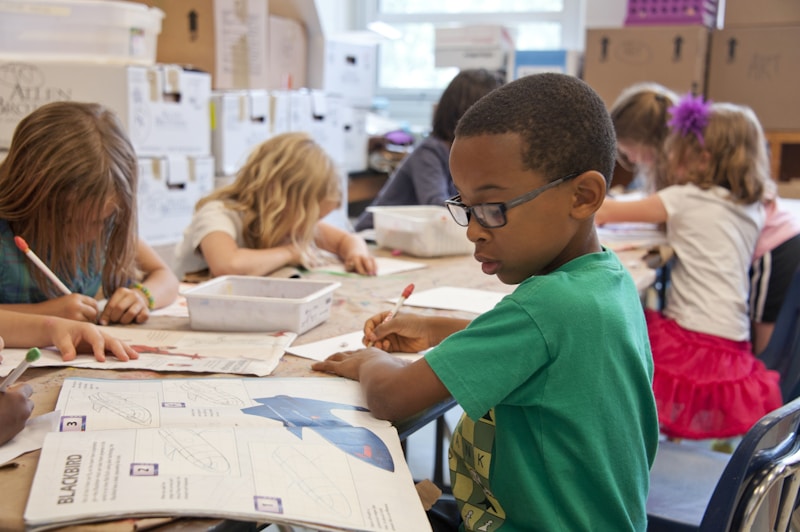
Five and six-year-olds are making the significant transition to formal schooling. This period involves developing academic skills like reading, writing, and basic math, along with the social and behavioral skills needed for classroom success. Children are learning to sit still, follow instructions, work independently, and navigate complex social situations.
Cognitively, children at this age are developing more logical thinking abilities. They can understand cause and effect, classify objects by multiple attributes, and solve problems more systematically. Their memory and attention are improving, supporting more complex learning.
6 to 8 Years: Academic and Social Growth
Between six and eight, children make enormous strides in academic achievement. They become fluent readers, develop writing skills, and master basic math concepts. Their thinking becomes more sophisticated, allowing them to understand more complex material and think more critically about what they learn.
Socially, children at this age are developing deeper friendships, understanding social dynamics more clearly, and developing a stronger sense of right and wrong. They're also developing greater independence and self-reliance, doing more things for themselves and taking more responsibility for their actions and learning.
Supporting Development at Every Stage
Understanding developmental stages helps you provide appropriate support for your child at each phase of growth. At every stage, children need responsive caregiving, stimulating environments, and opportunities to practice new skills. They need to be challenged without being overwhelmed, and they need plenty of time for play, exploration, and rest.
Remember that developmental stages are general guides, not rigid timelines. Some children develop certain skills earlier than others, while other skills may develop later. What matters is overall progress and the development of a love of learning that will serve children throughout their lives. Our child development guide provides more detailed information about supporting development at each stage.
When to Seek Help
While variation is normal, there are times when professional evaluation is warranted. If your child seems significantly behind peers in multiple areas of development, loses skills they previously had, or shows persistent behavioral or emotional difficulties, it's worth consulting with your pediatrician or a developmental specialist.
Early identification and intervention for developmental concerns leads to better outcomes. Don't wait and worry if you have concerns, seek guidance. Most concerns turn out to be nothing, but if there is an issue, early support makes a tremendous difference.
Supporting Development Through Play
Play is the primary vehicle for child development across all stages. From the simplest peek-a-boo game with an infant to complex strategy games with an eight-year-old, play provides the context for learning, growth, and skill development. Understanding which types of play support which developmental areas can help you provide targeted stimulation at each stage.
Sensory play supports brain development in infants and toddlers. Construction play builds spatial reasoning and engineering skills in preschoolers. Strategic games develop executive function in school-age children. By providing appropriate play opportunities at each stage, you support natural developmental progression while keeping learning fun and engaging.
The Role of Nutrition in Development
Adequate nutrition is essential for healthy development at every stage. During the first year of life, breast milk or formula provides the nutrients babies need for rapid brain growth. As children transition to solid foods, a balanced diet rich in fruits, vegetables, whole grains, and lean proteins supports continued physical and cognitive development.
Certain nutrients are particularly important for brain development, including omega-3 fatty acids, iron, zinc, and B vitamins. Ensuring your child gets adequate amounts of these nutrients through diet or supplementation supports optimal cognitive development throughout the early years.
Creating a Development-Friendly Home
The home environment plays a crucial role in supporting healthy development at every stage. This doesn't mean you need expensive educational toys or a dedicated learning space. It means providing a safe, stimulating environment where children can explore, play, and learn at their own pace.
Reduce clutter and overstimulation, provide age-appropriate materials and toys, and create predictable routines that give children a sense of security. Most importantly, provide responsive, loving caregiving that makes children feel safe, valued, and supported as they grow and develop.