The Big Question
When my daughter turned three, we faced the classic dilemma. Traditional preschool or brain development program? Every parent I knew had a strong opinion. I needed facts, not opinions. So I researched both options thoroughly.
Both approaches have merit. But they're different. Understanding those differences helps you make the right choice for your child. Let's look at what each offers.
What Is a Traditional Preschool?
Traditional preschool focuses on socialization and school readiness. Children learn to follow routines. They interact with peers. They're introduced to academic concepts like letters and numbers.
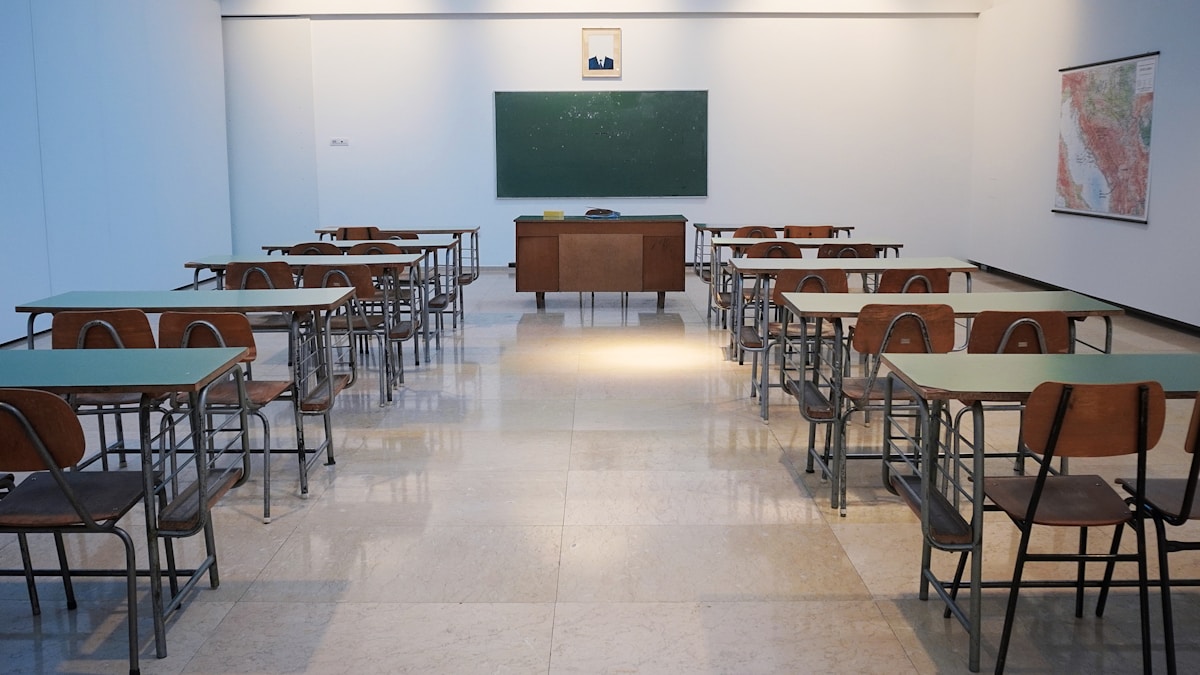
The classroom is usually structured. Circle time, free play, snack time, art time. Children learn to function in a group setting. They develop social skills through daily interaction.
Traditional preschools follow established curricula. They prepare children for kindergarten. Most are play-based, but some are more academic.
What Is a Brain Development Program?
Brain development programs focus specifically on cognitive growth. They use research-based methods to stimulate neural development. Activities target memory, attention, problem-solving, and processing speed.
These programs often use specialized materials. They may incorporate right brain education techniques. They emphasize critical periods in brain development.
Brain development programs are often smaller. They provide more individualized attention. Progress is tracked through specific cognitive assessments.
Key Differences
The primary difference is focus. Traditional preschools emphasize social development. Brain development programs emphasize cognitive development. Both matter. But they're not the same thing.
Class size differs too. Traditional preschools often have fifteen to twenty children. Brain development programs typically have eight to ten. Smaller groups allow more personalized attention.
Curriculum differs as well. Traditional preschools follow a broad curriculum. Brain development programs use targeted cognitive exercises. One prepares children socially. The other prepares them cognitively.
Which Is Better?
Neither is universally better. It depends on your child. If your child is socially anxious, traditional preschool might help them develop social skills. If your child struggles with focus, a brain development program might help.
I know children who thrived in both settings. My daughter did better in the brain development program. She needed the smaller group and targeted activities. My friend's son flourished in traditional preschool. He needed more social interaction.
What does your child need most right now? That's the question to answer.
Can You Do Both?
Absolutely. Many parents combine approaches. Morning brain development program, afternoon traditional preschool. Or one semester each. Mixing approaches provides both cognitive and social benefits.
This isn't always practical or affordable. But if you can swing it, the combination is powerful. Your child gets the best of both worlds.
Cost Considerations
Brain development programs often cost more. Smaller class sizes mean higher fees. Specialized materials add to the cost. Traditional preschools are generally more affordable.
Don't assume expensive means better. Evaluate each program on its merits. Ask about scholarships or sliding scale fees. Many programs offer financial assistance.
What to Look For
Regardless of which type you choose, look for these qualities. Warm, responsive teachers. Safe, clean environment. Age-appropriate materials. Clear communication with parents. A philosophy that matches your values.
Visit both types of programs. Observe classrooms. Talk to teachers. See where your child feels most comfortable. Their comfort matters more than any label.
Making the Decision
Trust your research and your instincts. You know your child best. You've done the homework. Now make the choice that feels right. You can always adjust if it's not working.
Both traditional preschool and brain development programs can support your child's growth. The key is finding the right fit. Your child's brain development is unique. Their educational journey should be too.
What did you choose for your child? Share your experience in the comments. Your story might help another parent decide.