
The Seven-Year Mark: A Brain Turning Point
Age 7 is interesting because it marks a transition in brain development. The rapid growth of early childhood has slowed down, but the brain is far from finished developing. In many ways, this is when the brain starts becoming truly efficient and capable of complex thinking.
I noticed a real shift in my kids around age 7. They suddenly seemed more capable, more thoughtful, and more independent. It wasn't just my imagination. Their brains were literally entering a new phase of development.
Concrete Operational Thinking
Around age 7, most kids enter what psychologists call the "concrete operational stage." This means they can think logically about concrete events, understand cause and effect, and start reasoning about the world in more sophisticated ways.
This is a big deal. It means your child can now understand why actions have consequences, follow multi-step instructions, and solve problems using logic rather than just intuition. It's like their brain just installed a major software upgrade.
Reading Fluency and Brain Connections
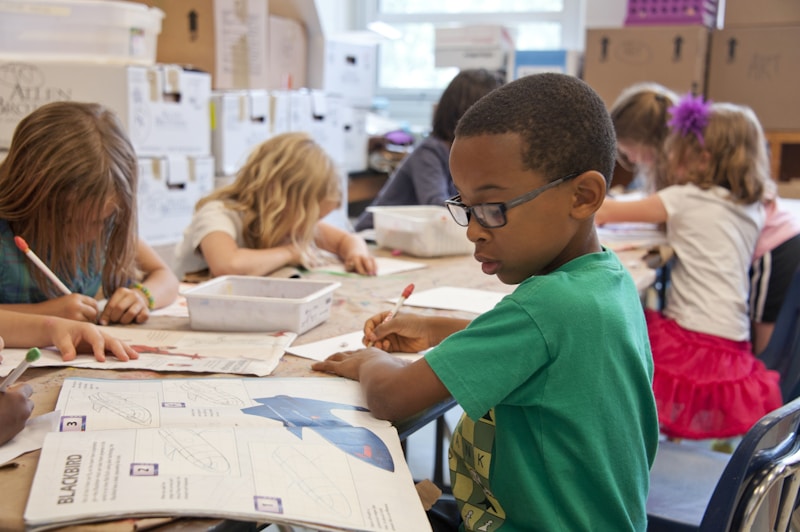
By age 7, most kids have moved from learning to read to reading to learn. This transition is significant because it means the brain has automated the basic mechanics of reading and can now focus on comprehension and critical thinking.
When reading becomes automatic, it frees up brain resources for higher-level thinking. This is why reading comprehension improves so dramatically around this age. The brain is no longer struggling with decoding and can focus on understanding. You might also like this related article.
The Comprehension Leap
After age 7, kids can understand more complex texts, follow longer stories, and make inferences about what they read. They can also start analyzing texts rather than just absorbing information. These are important critical thinking skills that will serve them well throughout life.
Working Memory Expands
Working memory is the brain's ability to hold and manipulate information in real time. After age 7, working memory expands significantly, allowing kids to handle more complex tasks and follow longer sequences of instructions.
This expansion has real-world implications. Kids can now do multi-step math problems, follow more complex rules in games, and hold more information in their heads while working on tasks. It's a noticeable jump in capability.
Attention Span Increases
After age 7, most kids can sustain attention for longer periods. This doesn't mean they can focus for hours on end, but they can definitely concentrate on tasks for longer than they could at younger ages. This increased attention span supports more complex learning.
The ability to sustain attention is a skill that continues to develop throughout childhood and adolescence. After age 7 is a good time to start building this skill through activities that require concentration and focus. You might also like our guide on this topic.
Mathematical Reasoning Deepens
After age 7, mathematical thinking becomes more abstract and sophisticated. Kids can understand concepts like multiplication, division, fractions, and basic geometry. They can also start applying math to real-world problems.
This is when math stops being just about numbers and starts becoming a tool for understanding the world. Kids can use math to measure things, compare quantities, and solve practical problems. Making these connections helps the brain see math as relevant and useful.
Self-Awareness Develops
After age 7, kids develop a more sophisticated sense of self. They become more aware of their own thoughts, feelings, and abilities. This self-awareness is a crucial cognitive and emotional skill.
This is also when kids start comparing themselves to others, which can be both positive and negative. Helping your child develop a healthy sense of self-awareness and self-acceptance is important during this period.
Peer Influence Grows
After age 7, peers become increasingly influential in a child's life. Kids start caring more about what their friends think, which can drive both positive and negative behaviors. This social awareness is a sign of brain development, but it also requires guidance. You might also like more tips here.
The role of community and support systems cannot be overstated in this journey. Connect with other parents who share your values and goals. Join local parent groups, participate in online forums, or simply chat with other moms and dads at the playground. Sharing experiences, swapping tips, and knowing you're not alone in this parenting adventure can make a world of difference. Plus, your kids benefit from seeing you build and maintain healthy social connections.Research continues to show that the early years of a child's life are critical for establishing patterns that last a lifetime. The neural pathways being formed right now will serve as the foundation for all future learning, behavior, and health. This isn't meant to pressure you. It's meant to empower you. Every positive choice you make today is an investment in your child's future. And the beautiful thing is that children are incredibly resilient and adaptive. Even small changes can yield remarkable results over time.
One thing I've learned as a parent is that consistency matters more than perfection. You don't need to do everything perfectly every single day. What matters is that you're making an effort, showing up, and trying your best. Some days will be better than others, and that's completely normal. The key is to keep going, keep learning, and keep adapting your approach based on what works for your unique child. There is no one-size-fits-all solution, and anyone who tells you otherwise is selling something.
The brain is wired for social connection, and peer relationships are an important part of learning about social norms, cooperation, and conflict resolution. Your child's brain is learning through every interaction with peers.
Strategic Thinking Emerges
After age 7, kids become capable of more strategic thinking. They can plan ahead, consider consequences, and think about multiple factors when making decisions. This is a big step from the more impulsive thinking of earlier years.
Board games, strategy games, and even some video games can help develop strategic thinking skills. These activities require planning, flexibility, and the ability to adapt to changing situations. All great brain exercise.
Creative Thinking Evolves
After age 7, creative thinking becomes more sophisticated. Kids can create more complex stories, art, and projects. They can also think more creatively about problems, coming up with original solutions and ideas.
Encourage creative thinking by providing open-ended materials, asking open-ended questions, and valuing the process of creation over the final product. Creative thinking is a skill that will serve your child well throughout life. You might also like check out this post.
The Role of Mistakes
After age 7, kids become more aware of mistakes and more concerned about getting things right. This is actually a good thing in moderation, but it's important to help kids see mistakes as learning opportunities rather than failures.
The brain learns through mistakes. When kids make errors and correct them, they strengthen neural pathways and build more resilient understanding. Teach your child that mistakes are normal, valuable, and even necessary for growth.
Building Independence
After age 7, kids crave more independence. This is natural and healthy, as their brains are developing the skills needed for self-management. Let your child take on more responsibility, make more decisions, and solve more problems on their own.
Independence doesn't mean abandonment. It means providing a supportive framework within which your child can explore, experiment, and learn from their own experiences. This is how the brain develops the skills needed for adult life.
The Takeaway: Trust the Process
Brain development after age 7 is less dramatic than in the early years, but it's no less important. The brain is refining its capabilities, building more efficient pathways, and preparing for the complex thinking of adolescence and adulthood.
Trust that your child's brain is doing what it needs to do. Provide the right environment, the right challenges, and the right support. And remember that every child develops at their own pace. Comparison is the thief of joy and the enemy of healthy development.