The Search for the Perfect Preschool
Finding a good preschool near you can feel like searching for a needle in a haystack. There are so many options, and you want to make sure you're choosing the best one for your child. But don't worry, with a little planning and the right approach, you can find a program that checks all the boxes.
Start by defining what matters most to you. Is location the top priority? Are you looking for a specific teaching approach? Do you need flexible hours to match your work schedule? Knowing your priorities will help narrow down the search. This clarity makes the whole process much more manageable.
Starting Your Search Locally
The best place to start is right in your own neighborhood. Ask friends, family, and neighbors for recommendations. They can give you honest feedback about their experiences and point you toward programs they trust.
You can also check online directories and review sites for preschools in your area. Read reviews from other parents to get a sense of what each program is like. Pay attention to both positive and negative reviews, they can tell you a lot. Local parenting groups on social media are also great resources for finding recommendations.
Location and Convenience
When it comes to preschool, location really does matter. A program that's close to your home or workplace makes the daily routine much easier. Consider the commute time, traffic patterns, and parking availability when evaluating options.
A conveniently located preschool also means less stress for your child. Long commutes can be tiring for little ones, so finding something nearby can make a big difference in how they feel about school. Convenience shouldn't be the only factor, but it's definitely worth considering.
Evaluating the Program's Reputation
Look for preschools with a solid reputation in the community. Ask around and find out how long the program has been operating. Established programs often have a track record of quality and reliability that newer programs might not have.
Check if the preschool is accredited or has any certifications. While accreditation isn't mandatory, it can be a sign that the program meets certain quality standards. It's a good indicator that the preschool takes its educational mission seriously. Don't be shy about asking for references from current families.
Visiting Preschools in Your Area
Once you have a shortlist, schedule visits to each preschool. There's no substitute for seeing a program in action. During your visit, pay attention to the overall atmosphere. Does it feel warm and welcoming? Are the teachers engaged with the children?
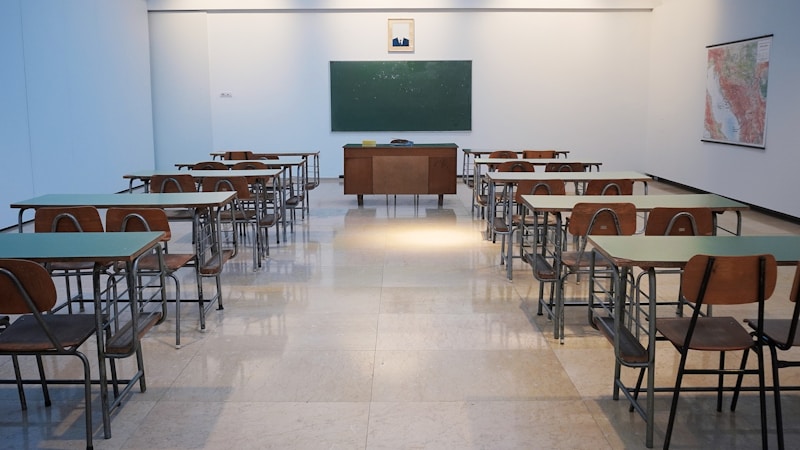
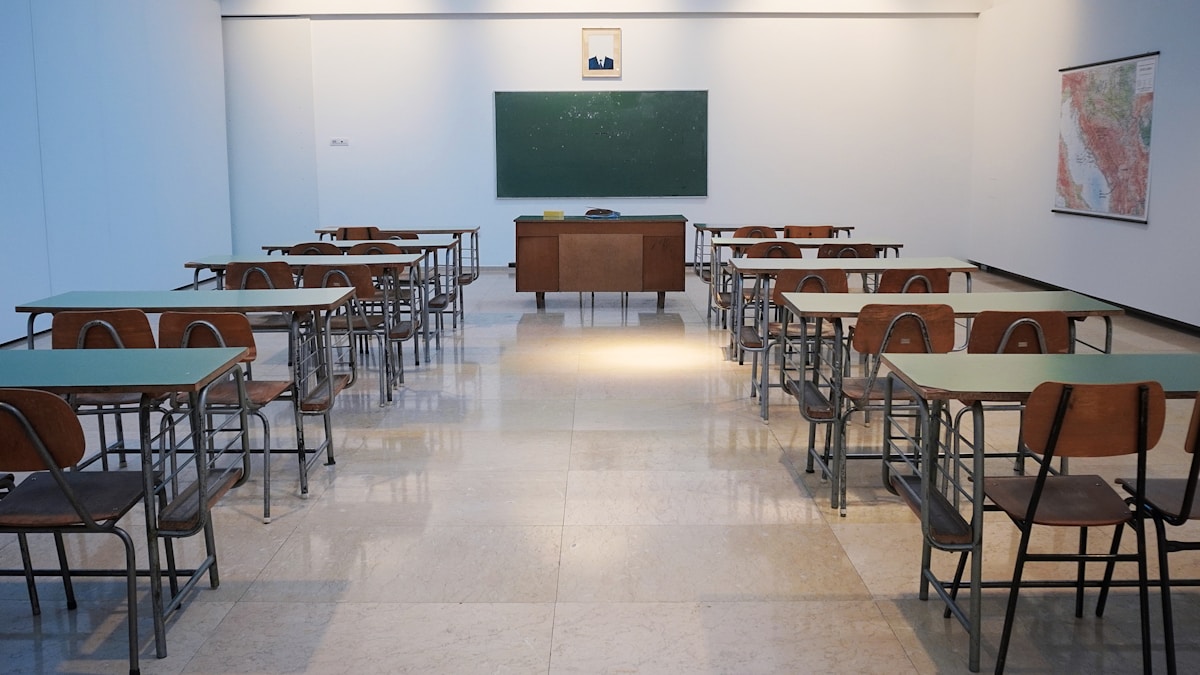
Take note of the classroom setup, the materials available, and how the children are interacting with each other and the teachers. These observations can help you compare different programs and make an informed choice. Try to visit unannounced if possible to see the program in its normal state.
Checking Class Sizes and Ratios
Class size is an important factor when evaluating preschools. Smaller classes generally mean more individual attention for each child. Most experts recommend a teacher-to-child ratio of about 1:8 for preschool-age children.
Ask about the maximum class size and how many teachers are in each room. A good ratio ensures that your child gets the support they need while still having opportunities to interact with their peers. Small class sizes are especially important for younger children who need more individual attention.
Understanding the Curriculum
Take the time to understand what each preschool teaches. Ask about the curriculum and how it's designed to support your child's development. A good curriculum should cover language, math, science, arts, and social skills in a balanced way.
Also ask about the daily schedule. How much time is spent on structured activities versus free play? A balanced schedule that includes both types of activities is ideal for young children. Programs that incorporate brain development activities into their curriculum often provide additional cognitive benefits. Ask about the specific learning objectives for each age group and how progress is tracked.
Facilities and Environment
The physical environment of a preschool plays a big role in your child's experience. Look for clean, well-maintained facilities with bright, inviting classrooms. The space should feel safe and stimulating, with age-appropriate materials and equipment.
Don't forget to check the outdoor play area. Kids need plenty of time outside to run, climb, and explore. Make sure the playground is safe, well-maintained, and offers a variety of activities. Some preschools also have gardens or nature areas that add to the outdoor learning experience. These natural spaces provide wonderful opportunities for exploration, discovery, and hands-on learning that complement indoor activities.
Teacher Quality and Experience
The quality of the teaching staff is one of the most important factors in a preschool's success. Ask about the qualifications and experience of the teachers. Do they have degrees in early childhood education? How long have they been teaching?
Also observe how the teachers interact with the children during your visit. Are they warm, patient, and attentive? A great teacher can make all the difference in your child's preschool experience. Teachers who are passionate about early childhood education bring energy and enthusiasm to the classroom. This positive attitude is contagious and helps create a learning environment where children feel excited and motivated to participate.
Cost and Value
Preschool costs can vary widely, so it's important to understand what you're paying for. Ask about tuition rates, what's included, and if there are any additional fees for supplies, activities, or meals. Compare costs across different programs to make sure you're getting good value.
Remember, the most expensive preschool isn't necessarily the best one. Focus on the quality of the program and the overall experience your child will have. Some programs offer financial aid or sliding scale fees, so don't be afraid to ask about those options.
Special Programs and Enrichment: Many preschools offer special programs and enrichment activities beyond the core curriculum. These might include music classes, art workshops, physical education, or language lessons. Ask about these extras and whether they're included in the tuition or cost additional fees.
Enrichment programs can add significant value to your child's preschool experience. They provide opportunities to explore new interests and develop skills in different areas. Look for programs that offer a good variety of enrichment options.
Making the Final Decision
After visiting several preschools and doing your research, trust your instincts. If a preschool feels like the right fit for your child and your family, that's a strong sign. You can also ask about trial periods or introductory visits to help your child adjust before committing fully.
For more tips on making this decision, check out our guide on how to choose the right preschool. Finding the best preschool near you takes time, but it's worth the effort to give your child a great start. You can also read our article on choosing the best learning program for more insights.
Starting the Journey
Finding a quality preschool near you is an exciting step in your child's education journey. Take your time, do your homework, and remember that you're making a loving choice for your child's future. The right preschool is out there, and you'll find it. Stay patient and trust that your efforts will pay off when you see your child thriving in the perfect environment. The right preschool will feel like a natural extension of your family's values and goals. When you find that connection, you'll know you've made the right choice.