Choosing the Right Preschool Program
Choosing a preschool program is one of the first major educational decisions you will make for your child. It sets the tone for their entire academic journey. A good preschool program does not just teach letters and numbers. It nurtures curiosity, builds social skills, and creates a love of learning that lasts a lifetime.
But with so many options available, how do you know which program is the best fit for your child? The answer depends on several factors, including your child's personality, your family's values, and the specific needs of your community.
Understanding Different Preschool Philosophies
Preschool programs come in many different flavors. Montessori programs emphasize self-directed learning and hands-on exploration. Waldorf programs focus on creativity, imagination, and natural development. Reggio Emilia programs are child-led and project-based. Traditional programs provide a more structured, teacher-directed curriculum.
Each philosophy has its strengths and weaknesses. The best approach for your child depends on their learning style and your family's educational values. Research each philosophy thoroughly and visit programs that align with your priorities. Take your time with this decision, as it will shape your child's early learning experiences and their attitude toward education for years to come.
What Makes a Great Preschool Program
Regardless of the philosophy, certain qualities distinguish great preschool programs from mediocre ones. Look for low student-to-teacher ratios that allow for individualized attention. Qualified, caring teachers who are passionate about early childhood education. A safe, clean, and stimulating environment. And a curriculum that balances academics with play-based learning.
Also pay attention to the school's culture. Does it feel warm and welcoming? Do the teachers seem genuinely interested in the children? Are the children engaged and happy? These intangible qualities matter just as much as the formal curriculum. Trust your instincts when you visit. A program can look perfect on paper, but if it does not feel right, keep looking.
Curriculum and Learning Approach
The curriculum should be developmentally appropriate, meaning it matches the cognitive, social, and emotional capabilities of the age group. For preschoolers, this means a heavy emphasis on play, exploration, and social interaction, with academic content woven in naturally. If you are still deciding on the right timing, our article on the best age to start preschool can help you plan.
Look for a curriculum that addresses multiple areas of development, including language and literacy, math and science, creative arts, physical development, and social-emotional learning. A well-rounded curriculum ensures your child develops skills across the board, not just in a few areas. This balanced approach prepares them for the diverse challenges they will face in kindergarten and beyond.
Teacher Qualifications and Training
The quality of the teachers is one of the most important factors in a preschool program's success. Great teachers are not just knowledgeable about child development. They are patient, creative, and genuinely love working with young children.
Choose a program with experienced, well-trained teachers is more likely to provide a high-quality educational experience. Great teachers are the cornerstone of any successful preschool program. They inspire curiosity, model positive behavior, and create an environment where children feel safe to explore and learn. Observe how teachers interact with children during your visit and trust your instincts about whether they are the right fit for your child.
Class Size and Student-Teacher Ratio
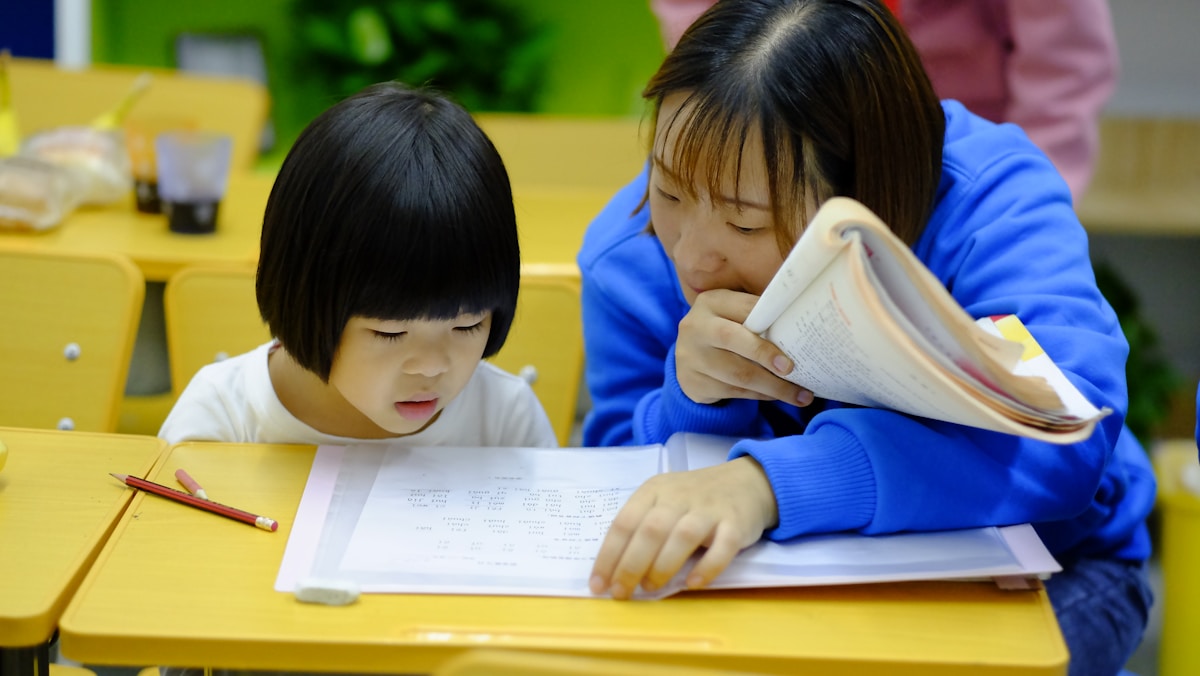
Smaller class sizes and lower student-to-teacher ratios allow for more individualized attention. When a teacher has fewer students to manage, she can spend more time with each child, addressing their specific needs and interests. This personalized approach is especially important for young children who are just starting their educational journey.
The National Association for the Education of Young Children recommends a ratio of no more than ten students per teacher for preschool programs. Some programs offer even smaller ratios. If possible, choose a program with class sizes that allow teachers to give each child the attention they deserve. This personalized attention makes a significant difference in how much your child learns and grows.
The Role of Play in Preschool Learning
Play is not a break from learning. It is the primary way young children learn. Through play, children develop social skills, practice problem-solving, explore their interests, and build the foundational skills they need for academic success. A good preschool program understands this and incorporates play into every aspect of the curriculum. For brain-boosting activities outside of school, explore our guide on brain development classes.
Watch how children spend their time in the classroom. Are they engaged in meaningful play activities? Are they exploring, creating, and collaborating? Or are they spending most of their time sitting passively and listening to the teacher? The former is a sign of a healthy, developmentally appropriate program. Active, engaged children learn more and enjoy the process more.
Parent Involvement and Communication
The best preschool programs recognize that parents are essential partners in their child's education. Look for programs that encourage parent involvement through volunteering, classroom events, and regular communication. A program that keeps you informed about your child's progress and involves you in the learning process is a program that values your role as a parent.
Ask about the school's communication practices. How often will you receive updates about your child? Is there a parent portal or communication app? Are teachers available for conferences and discussions? Open communication between school and home supports your child's development and ensures consistency between the two environments. Strong partnerships between parents and teachers create the best outcomes for young learners.
Safety and Facility Quality
Your child's safety is paramount. Visit the school and look for safety features like secure entry, childproofed classrooms, and well-maintained equipment. Ask about emergency procedures, staff background checks, and health policies. A program that prioritizes safety demonstrates that it cares about your child's well-being.
The physical environment also matters. Classrooms should be bright, organized, and filled with age-appropriate materials. Outdoor play areas should be safe and stimulating. The overall atmosphere should feel welcoming and child-centered.
Special Needs and Inclusivity
If your child has special needs or learning differences, it is important to find a program that can accommodate them. Ask about the school's experience with children who have special needs. Do they have trained staff? Can they provide individualized support? An inclusive program that welcomes all children creates a richer learning environment for everyone.
Even if your child does not have special needs, choosing a program that values inclusivity teaches your child important lessons about diversity, empathy, and acceptance. Children who learn alongside peers with different abilities develop a broader perspective and stronger social skills.
Making Your Final Decision
After researching programs, visiting schools, and asking questions, it is time to make a decision. Trust your instincts. You know your child better than anyone, and you have a sense of which environment will help them thrive. Consider all the factors, but ultimately choose the program that feels right.
Remember that no program is perfect. Every school has strengths and weaknesses. The goal is to find a program that aligns with your priorities and provides a nurturing, stimulating environment for your child. With the right preschool program, your child will build a foundation for lifelong learning and success. To support their development beyond school, consider building your child's confidence through everyday activities.