What Makes a Preschool Program Great
A great preschool program is more than just a place where children are watched while parents work. It is a carefully designed environment that nurtures curiosity, builds foundational skills, and prepares children for a lifetime of learning. The best programs balance structured learning with free play and create an atmosphere where children feel safe, valued, and excited to learn each day.
The Importance of a Developmental Approach
The best preschool programs take a developmental approach to education, recognizing that children learn at different rates and in different ways. Rather than pushing all children to meet the same benchmarks at the same time, a good program meets each child where they are and helps them grow at their own pace. This approach reduces stress and builds confidence while still maintaining high expectations.
Curriculum That Engages Young Minds
Look for a curriculum that is both comprehensive and engaging. The best programs cover all areas of development including cognitive, physical, social, emotional, and language skills. The curriculum should be thematic and connected to children's interests, making learning relevant and meaningful. Hands-on activities, exploration, and discovery should be central to the approach.
Teacher Qualifications and Ratios
Qualified teachers are the backbone of any excellent preschool program. Look for programs where teachers have degrees in early childhood education or related fields. Low teacher-to-child ratios are also crucial, as they allow for individualized attention and meaningful interactions. A ratio of one teacher to six or eight children is considered ideal for preschool-age children.
The Physical Environment
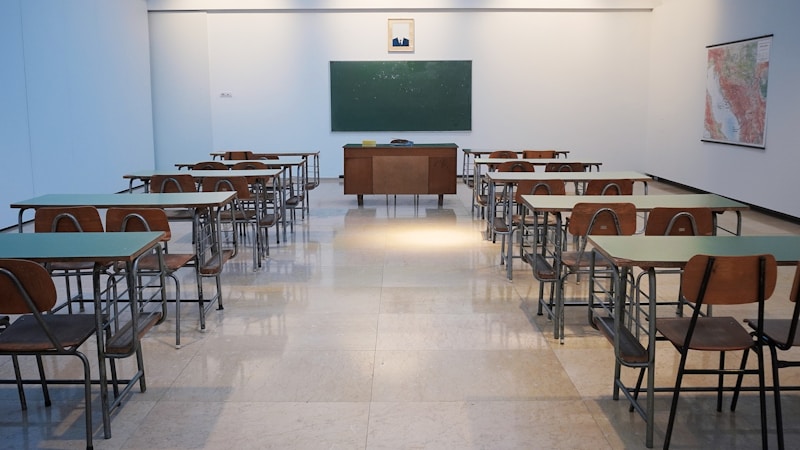
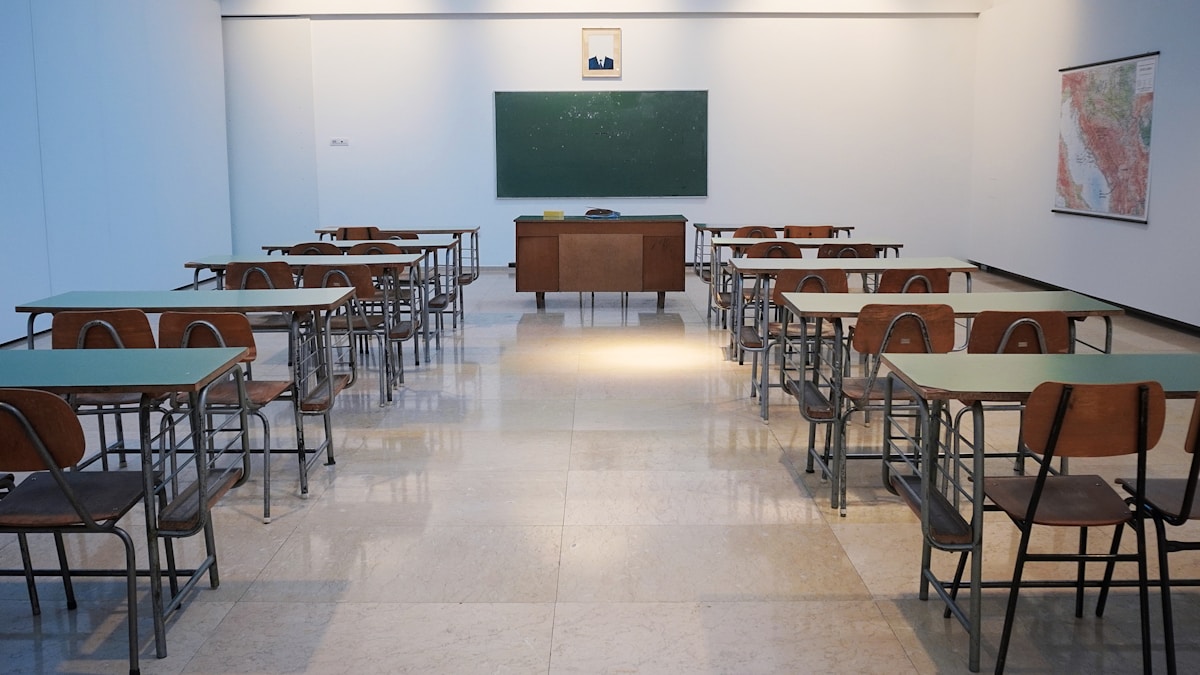
The physical environment of a preschool communicates its values and priorities. Look for classrooms that are bright, organized, and filled with age-appropriate materials. There should be distinct areas for different types of activities including reading, art, building, and dramatic play. Outdoor space is also important for physical development and nature exploration.
Play-Based Learning vs Academic Focus
There is ongoing debate about whether preschool should be play-based or academically focused. The truth is that the best programs combine both. Young children learn best through play, but they also need exposure to early literacy and numeracy concepts. Look for a program that integrates academic learning into play-based activities rather than relying on worksheets and direct instruction.
Social-Emotional Development
Don't overlook the importance of social-emotional development in a preschool program. Children need to learn how to cooperate, share, manage their emotions, and resolve conflicts. The best programs explicitly teach these skills through modeling, role-playing, and guided practice. A program that prioritizes social-emotional learning is setting children up for success in school and in life.
Parent Involvement Opportunities
The best preschool programs welcome and encourage parent involvement. Look for programs that have open communication policies, regular progress updates, and opportunities for parents to participate in the classroom. When parents and teachers work together as a team, children benefit enormously. Programs that value parent input tend to be more responsive to children's individual needs.
For more guidance on selecting an educational program, check out our article on how to choose a brain development center.
Assessment and Progress Monitoring
A quality preschool program will have a system for assessing and monitoring children's progress. This might include observational assessments, portfolios of children's work, or developmental checklists. The important thing is that the program can show you how your child is progressing and what steps they are taking to support continued growth.
Language and Literacy Development
Early literacy is a critical component of preschool education. Look for a program that creates a print-rich environment and incorporates reading, writing, and storytelling into daily activities. Children should be exposed to a wide variety of books and have opportunities to experiment with writing tools and mark-making. Phonological awareness activities should be woven throughout the day in playful, engaging ways.
Math and Science Exploration
Math and science in preschool should be hands-on and exploratory. Children should have opportunities to count, sort, measure, and experiment with cause and effect. The best programs integrate math and science concepts into everyday activities and conversations rather than teaching them in isolation. Nature exploration, cooking, and building activities all provide rich math and science learning opportunities.
Making the Right Choice for Your Family
Ultimately, the best preschool program is one that aligns with your family's values and meets your child's individual needs. Visit several programs, observe classes, talk to teachers and other parents, and trust your instincts. The right program will feel like a good fit for both you and your child.