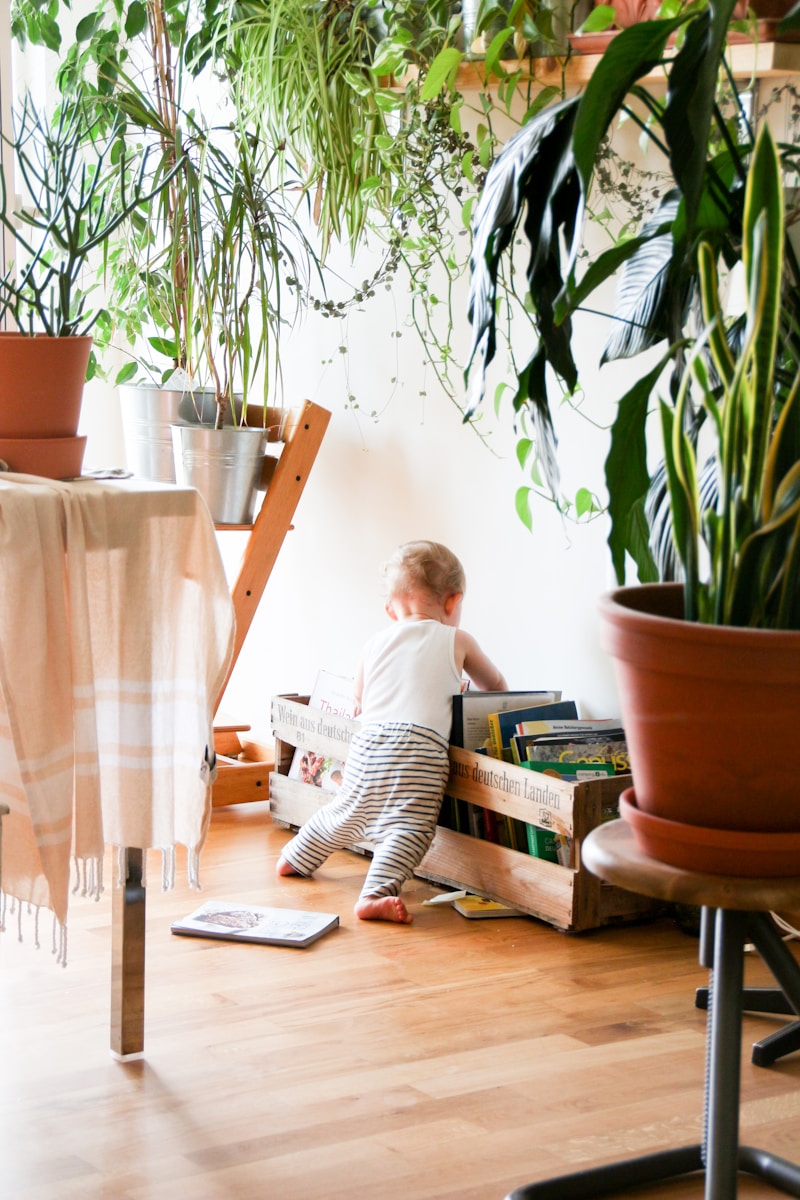
Confidence Isn't Something Kids Are Born With
I used to think some kids were just naturally confident while others weren't. Then I watched my daughter go from shy and hesitant to outgoing and bold over the course of a year. It wasn't magic. It was a combination of parenting strategies, environment, and practice. Confidence is a skill, and like any skill, it can be taught.
The tricky thing about confidence is that it doesn't come from telling kids they're great. It comes from letting them discover they can handle challenges. That's a crucial distinction that changes everything about how we parent.
1. Let Them Struggle (A Little)
When my son couldn't tie his shoes, my instinct was to do it for him. But I forced myself to wait. I watched him struggle, get frustrated, try again, and eventually succeed. The look on his face when he finally got it was priceless. He didn't just learn to tie shoes. He learned he could figure things out.
2. Praise Effort, Not Results
"You worked so hard on that" is better than "You're so smart." When we praise effort, kids learn that working hard leads to success. When we praise intelligence, they become afraid to try things they might fail at. I changed my language, and my kids' willingness to take risks changed too.
The Power of "Yet"
Add "yet" to the end of negative statements. "I can't do this" becomes "I can't do this yet." It's a small word that changes everything. It implies that with effort, they'll get there. We use "yet" constantly in our house now.
3. Give Real Responsibilities
Kids feel confident when they contribute meaningfully. My son sets the table for dinner every night. My daughter feeds the dog. These small responsibilities show them they're capable and needed. The pride they feel when doing their "job" builds genuine confidence.
4. Let Them Make Choices
Offer choices throughout the day. "Do you want to wear the blue shirt or the red one?" "Should we have pasta or rice for dinner?" Small decisions build decision-making skills and confidence. The key is making sure both options are acceptable to you.
5. Teach Problem-Solving, Not Fixing
When my kids come to me with problems, I've trained myself to ask "What do you think you could do?" instead of immediately offering solutions. Sometimes they come up with better ideas than I would. Sometimes they need guidance. But always letting them think first builds their confidence in their own problem-solving abilities.
6. Allow Safe Risk-Taking
Climbing trees, riding bikes without training wheels, speaking up in class. These are all risks that build confidence. My job isn't to prevent all risk. It's to make sure the risks are reasonable and to be there if they fall.
7. Teach Social Skills
Kids who know how to introduce themselves, make eye contact, and hold conversations feel more confident in social situations. We practice introductions, role-play difficult conversations, and discuss social scenarios. It's like coaching them through the unwritten rules of social interaction.
8. Celebrate Mistakes
In our house, mistakes are celebrated as learning opportunities. "What did you learn from that?" is a common question. When kids see mistakes as normal and valuable, they're less afraid to try new things. Fear of failure is the biggest killer of confidence.
9. Encourage Their Interests
When my daughter became obsessed with rocks, I didn't dismiss it. I got her a rock collection kit, took her to geological sites, and learned about rocks with her. Supporting their passions shows kids that their interests matter and builds confidence in who they are.
10. Teach Public Speaking Skills
Start small. Have them tell a story to the family at dinner. Then a small group of friends. Then maybe at school. Public speaking is a confidence builder like no other. My kids now volunteer to present projects, which would have been unthinkable a year ago.
11. Model Confidence
Kids learn by watching us. If we apologize for ourselves, second-guess our decisions, or avoid challenges, they will too. I've worked on being more confident in front of my kids, and I've seen the difference it makes.
12. Create a "Can Do" Culture
Instead of "I can't," we say "I'll try." Instead of "This is too hard," we say "This is challenging." Language shapes mindset, and changing our family's language has changed our family's confidence.
The Long View
Building confidence is a marathon, not a sprint. There will be setbacks. Days when confidence crumbles. That's normal. The important thing is that the overall trajectory is upward. Keep offering challenges, keep celebrating effort, and keep believing in your kids. They'll believe in themselves eventually.
Start with one strategy this week. Praise effort, give a responsibility, or let them struggle a bit. Small changes in parenting create big changes in confidence over time.