
What Makes a Child Development Program the Best
Every parent wants the best for their child, and choosing a child development program is one of the most important decisions you'll make. But what actually makes a program "the best"? It's not the fanciest facility, the highest price tag, or the most impressive marketing. The best programs share certain qualities that directly impact children's growth and development.
I've visited dozens of child development programs over the years, and I've noticed that the truly excellent ones have a few things in common: qualified, caring teachers; a curriculum grounded in child development research; a warm, stimulating environment; and strong partnerships with families. These elements matter more than any specific philosophy or approach.
Qualifications That Matter
The most important factor in any child development program is the quality of its teachers. Look for programs where teachers have relevant degrees in early childhood education or child development and ongoing professional development. Experienced teachers who are passionate about their work make an enormous difference in children's outcomes.
But qualifications alone aren't enough. The best teachers also have warm, responsive interaction styles. They get down on children's level, listen actively, respond thoughtfully, and handle challenges with patience and creativity. Observe how teachers interact with children during your visit these interactions tell you more than any resume or credential.
Evidence-Based Curriculum
The best child development programs use curricula that are grounded in research about how children learn and develop. This means play-based learning that engages children actively, addresses multiple developmental domains, and adapts to individual children's needs and interests.
Ask about the program's curriculum approach and the research that supports it. How does it address cognitive development? Social-emotional learning? Physical development? Creative expression? A comprehensive program addresses all of these areas in an integrated, meaningful way.
The Learning Environment
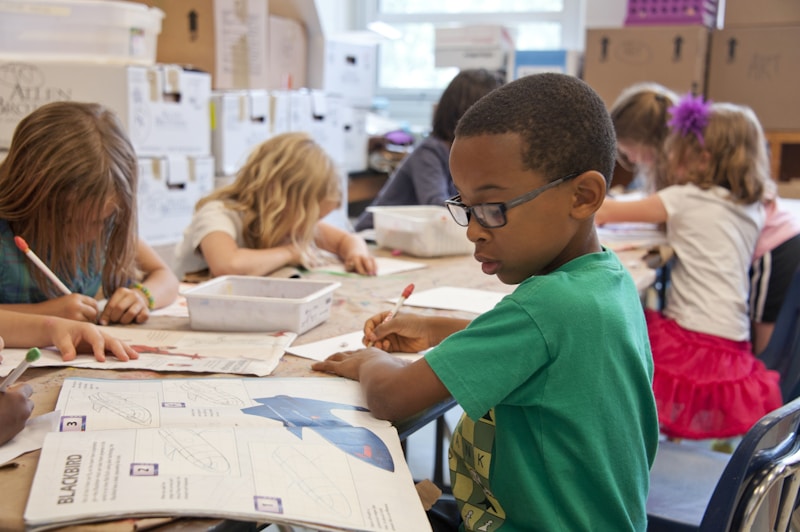
The physical environment of a child development program should be safe, stimulating, and organized. Look for natural light, age-appropriate materials, organized learning centers, and space for both active and quiet activities. The environment should invite exploration and learning, not feel institutional or restrictive.
The social-emotional environment is equally important. Are children happy and engaged? Do teachers seem genuinely interested in each child? Is the atmosphere warm and nurturing? A positive emotional climate supports learning and development in ways that no curriculum can match.
Individualized Approach
The best child development programs recognize that every child is unique. They assess each child's current abilities and design individualized plans that support growth in all areas. This means differentiating instruction, adapting activities to meet individual needs, and communicating regularly with families about each child's progress.
A one-size-fits-all approach doesn't work for young children. Look for programs that celebrate individual differences and adapt their approach to help each child thrive. The best programs meet children where they are and help them grow from there.
Family Partnership
Excellence in child development requires partnership between program and family. The best programs actively involve families in their child's learning, provide regular communication about progress, and offer resources and support for learning at home.
Look for programs that welcome family participation, provide regular updates, and create opportunities for families to be involved in the program. When families and programs work together as partners, children benefit enormously.
Assessment and Progress Monitoring
Quality child development programs assess children's development regularly using appropriate tools and methods. This assessment should be observational and integrated into daily activities, not formal testing. The goal is to track progress, identify areas where additional support might be needed, and inform instructional decisions.
Parents should receive regular updates about their child's development across all domains cognitive, social-emotional, physical, and language. These updates should celebrate strengths and identify areas for growth, providing a complete picture of each child's development.
Safety and Health Standards
Safety is foundational to any quality child development program. Verify that the program is properly licensed, maintains appropriate staff-to-child ratios, and has comprehensive safety policies and procedures. Health and hygiene practices should be evident throughout the facility.
Ask about emergency procedures, illness policies, allergy management, and nutrition standards. The program should be transparent about its safety practices and happy to address any concerns you have.
Continuing Education and Improvement
The best child development programs are committed to continuous improvement. They stay current with research and best practices, provide ongoing professional development for staff, and regularly evaluate and refine their programs based on new evidence and family feedback.
Ask about the program's professional development practices and how it incorporates new research and best practices. A program that is committed to continuous improvement is a program that will continue to provide excellent care and education for your child.
Making Your Decision
Choosing the best child development program requires research, observation, and trust in your instincts. Visit multiple programs, talk to other families, and pay attention to how each program feels. The right program will feel like a place where your child is safe, happy, and genuinely thriving. Our child development program embodies these qualities and is committed to helping every child reach their full potential.
Questions to Ask During Your Search
When evaluating child development programs, come prepared with thoughtful questions. Ask about teacher qualifications and turnover rates, the curriculum approach and how it's adapted for individual children, and how the program communicates with families. Ask about assessment methods, discipline policies, and how they handle individual differences in learning styles and developmental levels.
Also ask about daily routines, outdoor time, nutrition policies, and emergency procedures. The more you understand about how the program operates on a daily basis, the better equipped you'll be to make an informed decision. Don't be afraid to ask tough questions you're entrusting your child's development to this program, and you deserve thorough, honest answers.
What Other Parents Say
Talking to other families who have experience with a program is invaluable. Ask for references and contact current or former families. Ask about their overall experience, what they liked best, and what they would change. Inquire about how their child progressed and whether they felt the program was responsive to their child's individual needs.
Online reviews can also provide useful insights, though take them with a grain of salt. Look for patterns in reviews rather than focusing on individual complaints or praises. If multiple families mention the same strengths or concerns, those patterns are likely accurate reflections of the program's qualities.
Trust the Process
Finding the right child development program takes time and effort, but it's worth it. The right program will provide your child with a strong foundation for lifelong learning and development. It will also give you peace of mind knowing that your child is in good hands while you're at work or handling other responsibilities.
Remember that the "best" program is the one that's the best fit for your specific child and your family's specific needs. Don't get caught up in rankings or comparisons. Focus on finding a program where your child will be known, valued, and supported as they grow and learn.
The investment you make in finding the right child development program pays dividends throughout your child's life. A strong early foundation supports academic success, social competence, and emotional well-being for years to come. Take the time to do your research, trust your instincts, and choose a program that feels right for your family.