
The Brain's Golden Window
When my daughter was born, I had no idea that her brain would form more than a million neural connections every second. That's not a typo. Every. Single. Second.
Have you ever wondered why pediatricians stress early intervention? Because the first six years are when the brain is most receptive to learning. It's like having a sponge that never stops absorbing.
What Happens in the First Year
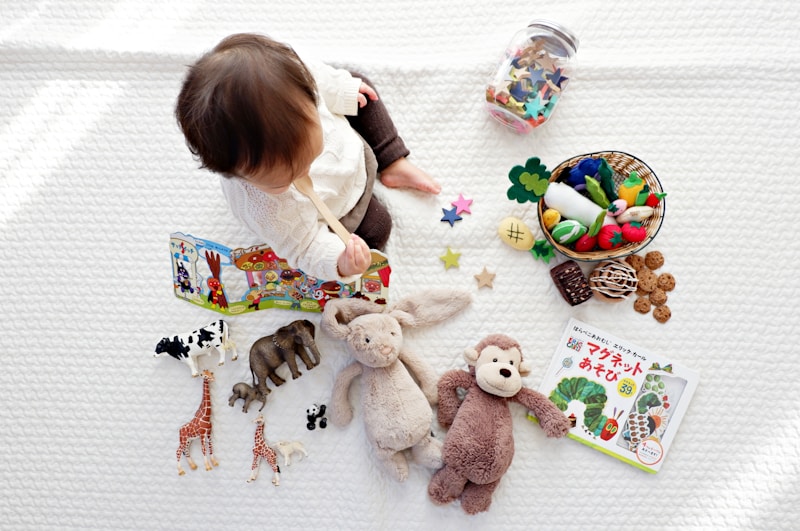
Babies aren't just eating and sleeping. Their brains are working overtime. They're learning to recognize faces, process sounds, and understand language. My son used to turn his head toward my voice from day one. His brain was already making connections.
By age 1, a child's brain has already reached 60% of its adult size. Think about that. Sixty percent. In just twelve months.
Ages 1-3: The Explosion Phase
This is when things get exciting. Toddlers are learning to walk, talk, and think. My daughter went from babbling to full sentences seemingly overnight. Her brain was wiring itself for language at lightning speed.
Ever notice how toddlers ask "why" constantly? That's not annoying. That's their brains seeking information. Every answer helps build new neural pathways.
Ages 3-6: Building Complex Skills
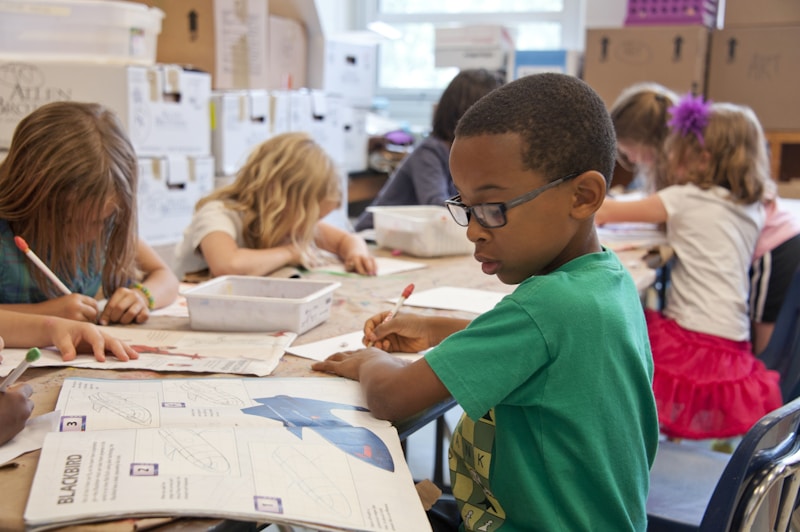
Preschoolers start connecting dots in new ways. They understand sequences, beginnings and endings. My son could retell a story in order by age 4. That's working memory, sequencing, and comprehension all working together.
This is also when social skills develop rapidly. Kids learn to negotiate, share, and empathize. These aren't just nice-to-have skills. They're essential for life.
Why the Window Closes
Here's the tough part. After age 6, the brain starts pruning connections it doesn't use. It's like cleaning out a closet. If certain skills haven't been developed, those pathways weaken.
Does this mean it's too late after 6? Absolutely not. But the brain is no longer as flexible. It takes more effort to build new skills later on.
The Science of Critical Periods
Researchers call these critical periods. Language, for example, has a critical window. Kids exposed to multiple languages early on pick them up effortlessly. Try learning a new language at 30. Not so easy, right?
Same goes for music, movement, and social skills. The earlier you expose kids to these experiences, the easier they absorb them.
What This Means for Parents
I remember feeling overwhelmed when I learned about critical periods. Like I was running out of time. But here's the truth. You don't need to be a perfect parent. You just need to be present.
Talk to your kids. Read to them. Play with them. Sing silly songs. All of these activities feed their developing brains. No fancy programs required.
The Role of Environment
A child's environment shapes their brain development. Rich, stimulating environments produce stronger neural connections. Neglectful or stressful ones can hinder growth.
My daughter thrived when we created a reading corner in her room. Simple change. Massive impact. Environment matters more than we think.
Don't Panic, But Don't Wait
If you're reading this and your child is already past 6, take a deep breath. The brain remains adaptable throughout life. It just requires more intentional effort later on.
But if you have a child under 6, consider yourself lucky. You're in the prime window. Make the most of it. Read one extra book tonight. Have one more conversation at dinner. These small moments add up.
I used to think the first few years were just about keeping my kids alive and happy. Feed them, bathe them, love them, repeat. But I had no idea that their brains were building the foundation for everything that would come later. Every interaction, every experience, every meal was shaping who they would become.
The research on brain development in the first six years is pretty compelling. During this period, the brain forms more than a million new neural connections every second. That's not a metaphor. That's literally what's happening. Your child's brain is constructing itself based on their experiences.
I remember feeling overwhelmed when I learned this. Like every moment had to be "educational." But that's not what the research says. What it says is that ordinary experiences are extraordinary for brain development. Talking to your child during a diaper change. Singing in the car. Reading before bed. Playing at the park. These everyday moments are building neural pathways that will support learning for years to come.
The critical periods concept really opened my eyes. There are specific windows when the brain is especially receptive to certain types of learning. Language has a critical period in the first few years. Music has one too. Social skills, emotional regulation, cognitive development. They all have optimal windows for development.
Does this mean you need to panic if you're reading this and your child is already past 6? No. But it does mean you should be intentional about the experiences you provide during these crucial years. You don't need expensive programs or fancy toys. You just need to be present, engaged, and consistent.
The Bottom Line
The first six years aren't just important. They're foundational. Everything your child learns during this time shapes who they become. And that's both beautiful and a little terrifying, isn't it?
But here's the good news. You're already doing better than you think by simply caring about this. Now go hug that little brain builder of yours.