Turning Everyday Moments into Vocabulary Lessons
When my daughter was 2, she called strawberries "red berries." Logical, right? But I wanted her to learn the actual word. So I started pointing and labeling. "This is a strawberry. It's red and sweet." Within a week, she had it.
Vocabulary building doesn't require flashcards or drills. It happens naturally when you talk, read, and play with your kids. The key is consistency and making it fun.
I remember the first time my son used the word "enormous" correctly. He said, "That's an enormous truck!" I nearly cried. All those months of modeling were paying off.
The Power of Labeling Everything
When my kids were toddlers, I labeled everything. "This is a table. It's wooden. It's brown." They got tired of hearing it, but they learned. Vocabulary comes from exposure.
Take labeling on walks. "Look at that oak tree. See the squirrel? It's climbing the trunk." You're building nature vocabulary while exercising. Two birds, one stone.
Even during diaper changes, I'd talk. "Now we're using the wipe. It's cold, isn't it?" Vocabulary isn't just nouns; it's adjectives, verbs, everything.
Word of the Day
We started a "word of the day" tradition. Every morning, I'd introduce a new word. "Today's word is 'delighted.' It means really happy." I'd use it throughout the day.
My kids loved it. They'd try to use the word in sentences. Sometimes correctly, sometimes not. Both are fine. The practice is what matters.
Keep it simple. Don't use words that are too advanced. "Curious" is good; "epistemological" is not. Match the word to their level.
Vocabulary Games That Actually Work
"I Spy" is a vocabulary powerhouse. "I spy something brown and fuzzy." Kids learn adjectives while playing. My kids beg to play this during car rides.
Silly rhyming games are fun too. "Cat, hat, bat, sat..." We make up nonsense words, and the kids laugh. But they're learning word families and sounds.
Storytelling games build vocabulary naturally. We take turns adding sentences to a story. The kids use words they've learned, and I model new ones.
Reading Aloud: The Vocabulary Builder
Reading aloud is probably the best vocabulary builder. Books use words we don't say in daily conversation. My kids learned "enormous" and "curious" from books first.
When you encounter a new word, stop and explain it. "Fascinating means really interesting. Isn't that fascinating?" Put it in context so they remember it.
Re-read books. Repetition helps vocabulary stick. My daughter heard "The Very Hungry Caterpillar" 100 times. Now she uses words like "cocoon" and "butterfly" correctly.
Real-World Vocabulary Opportunities
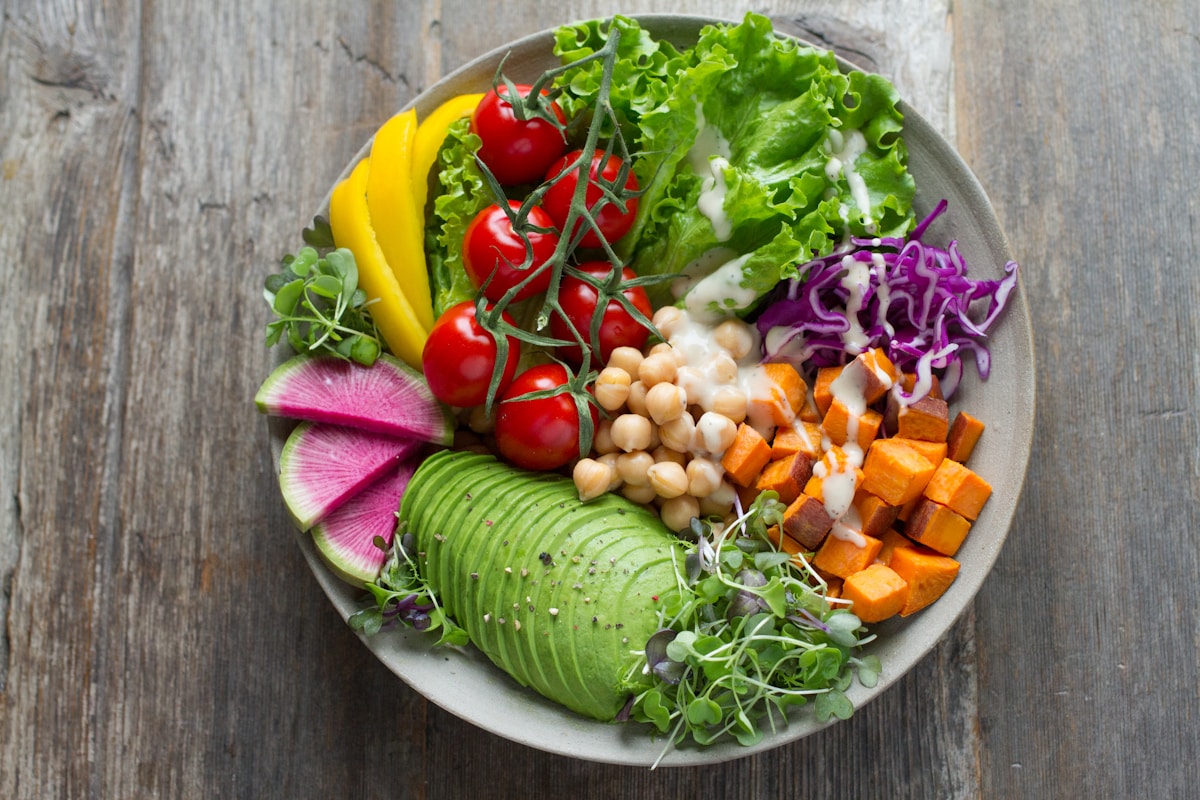
Grocery shopping is vocabulary heaven. "This is broccoli. It's a vegetable. It's green and crunchy." Kids learn food words while helping you shop.
Cooking together builds kitchen vocabulary. "We're stirring the batter. Now we're pouring it into the pan." My kids love helping in the kitchen, and they're learning words.
Doctor visits are teaching moments too. "The stethoscope listens to your heart." It reduces fear and builds medical vocabulary. My kids now know what "examine" means.
Digital Tools for Vocabulary
Some apps are great for vocabulary. We use "Endless Alphabet" on long car rides. The puzzles teach letter sounds and word meanings.
E-books with built-in dictionaries are handy. My daughter taps words she doesn't know. It's instant vocabulary building. Technology can be a tool, not a distraction.
However, I keep screen time limited. Real-world interactions are more effective for vocabulary. Balance is crucial.
Vocabulary: The Building Block of Communication
A rich vocabulary opens doors. Kids with larger vocabularies read better, communicate more effectively, and perform better in school. It's an investment that pays off.
You don't need expensive programs. Just talk, read, and play with your kids. Label the world around them. Introduce new words naturally.
Watch your child's vocabulary explode. It's one of the most rewarding parts of parenting. Every new word is a milestone worth celebrating.