What Is Sensory Play and Why Does It Matter
When my daughter was two, she would spend hours squishing playdough between her fingers. I thought she was just playing. Turns out, she was building her brain in ways I didn't understand at the time. Sensory activities aren't just messy fun (although they are that too). They're critical for how toddlers process and understand the world around them.
Sensory play involves any activity that stimulates a child's senses: touch, smell, taste, sight, hearing, and movement. It helps build neural connections in the brain, supports language development, and teaches kids to regulate their emotions. And the best part? Most sensory activities are cheap and easy to set up.
1. Water Play with Different Textures
Fill a bin with water and add items of different textures. Sponges, rubber balls, smooth stones, rough bark. My kids love scooping, pouring, and feeling the differences. You can add dish soap for bubbles or food coloring for visual interest. It's simple, calming, and teaches cause and effect.
2. Sensory Bins with Rice or Pasta
Dry rice or pasta makes an incredible sensory base. Bury small toys in it and let kids dig them out. Add scoops, funnels, and cups for extra fun. I colored our rice with food coloring and it became even more appealing. Just lay down a sheet or do it outside because rice gets everywhere.
Keeping It Contained
Use a large plastic bin with sides at least four inches high. A fitted sheet placed under the bin with the edges pulled up creates a "frame" that catches spills. This saved my sanity more times than I can count.
3. Playdough Exploration
Homemade playdough is better than store-bought and costs almost nothing. Mix flour, salt, water, and food coloring. Add different textures like glitter, seeds, or essential oils for different scents. My kids spend ages poking, squishing, and rolling. It builds hand strength and coordination while they think they're just playing.
4. Sand Play (Indoor or Outdoor)
If you have access to a sandbox, great. If not, kinetic sand works beautifully indoors. It's less messy than regular sand and holds its shape. Give kids tools like shovels, molds, and small figurines. We've built entire "cities" with kinetic sand that kept my kids entertained for over an hour.
5. Sensory Bottles
Fill clear plastic bottles with different materials. Water and food coloring, oil and water, rice and small objects, or glitter in water. Seal them tight (I use hot glue). Kids love shaking, rolling, and watching what happens. These are great for calming anxious moments because watching the contents settle is naturally soothing.
6. Texture Walk
Lay out different materials on the floor and let kids walk barefoot across them. Bubble wrap, carpet squares, aluminum foil, sandpaper, cotton balls, and fabric scraps. My kids squeal with delight at the different sensations. It's a great way to introduce vocabulary words like rough, smooth, bumpy, and squishy.
7. Finger Painting Fun
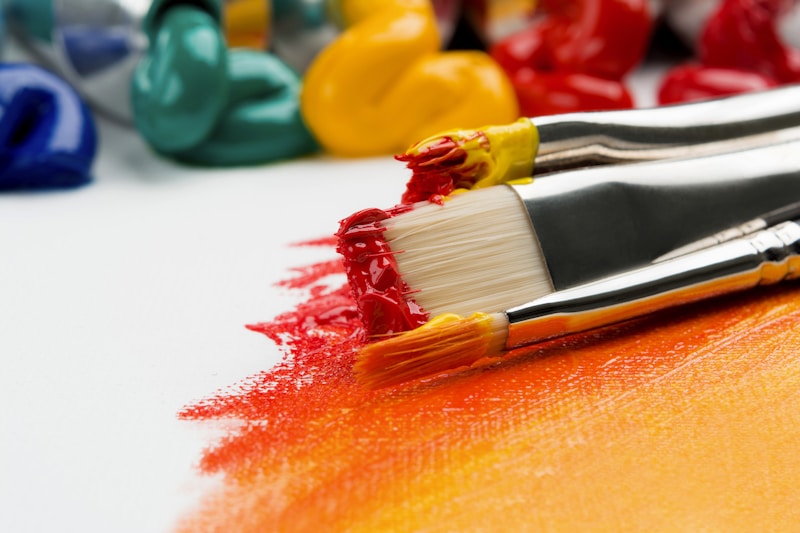
Yes, it's messy. Yes, it's worth it. Finger painting lets kids explore texture, color mixing, and cause and effect. Use washable paints and do it in the bathtub or outside. I've made edible finger paint with yogurt and food coloring for younger toddlers who still put everything in their mouths.
8. Nature Sensory Walk
Go outside with a bag and collect items of different textures. Leaves, bark, pinecones, smooth stones, rough bark, soft moss. Talk about how each item feels. We make "texture collages" with our finds, gluing them onto cardboard. It combines sensory exploration with nature education.
9. Slime and Goo
Whether you love it or hate it, slime is incredible sensory material. The stretching, squishing, and poking provides deep sensory input. I've made slime from glue and borax, from cornstarch and water (oobleck), and from hair conditioner and cornstarch. Each one feels different and teaches different properties.
Managing the Mess
Set clear boundaries. Slime stays on the table, not on the couch. Use a shower curtain under the play area. Have cleanup supplies ready. When kids know the rules, they can enjoy the sensory experience without you losing your mind.
10. Cooking and Baking Together
Cooking is sensory play that produces actual food. Measuring, mixing, kneading, and tasting all stimulate multiple senses. Start with simple recipes like no-bake cookies or pizza dough. My kids are more adventurous eaters because they helped make the food.
11. Sensory Jars with Water Beads
Water beads expand in water and become squishy, translucent spheres. They're amazing for sensory exploration. Fill a container with hydrated water beads and add scoops, cups, and small toys. Kids love the slippery, squishy texture. Just supervise closely with young children.
12. Musical Instrument Exploration
Different instruments create different sensory experiences. Drums provide vibration, bells provide high-pitched sounds, and shakers provide rhythmic feedback. We made instruments from rice in bottles, rubber bands on boxes, and wooden spoons on pots. It's noisy, fun, and develops auditory processing.
13. Touch and Feel Books
For younger toddlers, touch-and-feel books are perfect sensory activities. They combine reading with tactile exploration. We read these before naptime because the gentle touching is naturally calming. The books also build vocabulary as you describe the textures together.
14. Cotton Ball Painting
Instead of brushes, use cotton balls held with clothespins. The different texture creates unique patterns and requires different grip strength. It's easier for small hands than traditional brushes and produces beautiful, fluffy-looking artwork.
15. Sensory Garden Planting
Plant herbs with different scents and textures. Mint, lavender, basil, and rosemary all feel and smell different. Let kids touch the leaves, smell the herbs, and help with watering. It combines sensory play with nature education and responsibility.
When Sensory Play Gets Too Much
Some kids get overwhelmed by certain textures or sounds. That's completely normal. Watch for signs of overstimulation: covering ears, pulling away, or becoming cranky. Stop the activity and try something calmer. Sensory play should be enjoyable, not stressful. There's no rush. You can always try again another day with a different material or approach.
Sensory activities don't need to be elaborate or expensive. Start with what you have at home and follow your child's interests. The mess is temporary, but the brain benefits last forever.