
Social Skills: The Brain's Secret Weapon
When my daughter started preschool, she didn't know how to share. By the end of the year, she was mediating disputes between friends. That's social development in action.
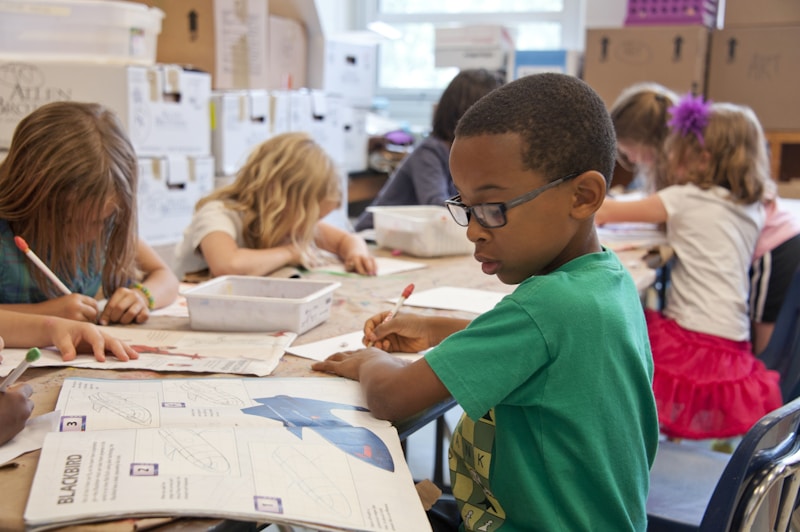
Social skills are brain skills. When kids interact, multiple brain regions light up simultaneously. It's the ultimate brain workout.
I remember when my son learned to take turns. It took months of practice, but once he got it, friendships blossomed. That's social development.
Why Social Skills Matter for Brain Development
Have you noticed how social kids seem more confident? That's because social interactions build neural pathways for communication and empathy.
Cooperation requires executive function. When kids work together, they practice planning, negotiation, and flexibility.
Conflict resolution builds emotional intelligence. Learning to handle disagreements is crucial for brain development.
Age-Appropriate Social Skills
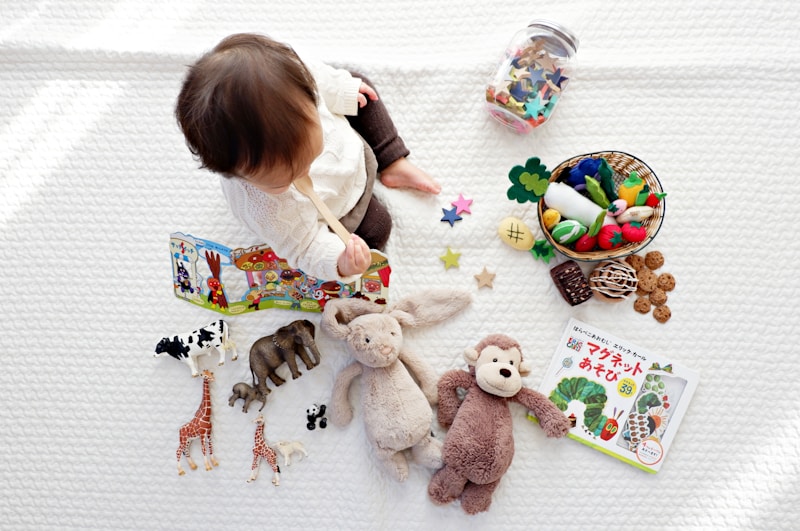
Toddlers learn parallel play. Playing alongside others, not with them. That's normal and healthy.
Preschoolers learn cooperative play. Playing with others, sharing toys, taking turns. It's a big step.
School-age kids learn complex social dynamics. Friendships, group activities, and social hierarchies emerge.
Activities That Build Social Skills
Group projects teach teamwork. My kids love building things together. It requires communication and compromise.
Board games teach turn-taking and rules. "Candy Land" is simple but teaches important social skills.
Dramatic play builds empathy. When my kids play restaurant, they practice different social roles.
The Role of Play
Play is where social skills develop naturally. Unstructured play teaches negotiation, compromise, and creativity.
Outdoor play builds social bonds. My kids make friends at the park. It's social practice in a low-pressure environment.
Pretend play is social gold. It requires cooperation, communication, and shared imagination.
When Social Skills Are Challenged
Some kids struggle socially. It's not always a disorder; sometimes they just need more practice.
Modeling helps. When I demonstrate social skills, my kids learn by watching. "Watch how I ask the neighbor for the ball."
Social stories can help. "When we go to a friend's house, we share toys." It gives kids a script for social situations.
Social Skills: The Foundation of Success
Social skills affect everything: school performance, relationships, career success. Building them early is crucial.
Provide social opportunities, model skills, and be patient. Social development happens gradually.
Your child's social journey is unique. Celebrate progress, not perfection. The brain is growing with every interaction.