
Why Messy Play Matters
When your toddler smashes bananas into the carpet or squishes playdough between their fingers, they're not just making a mess. They're building neural pathways. Sensory play "” any activity that stimulates touch, sight, sound, smell, or taste "” is one of the most powerful ways to develop a child's brain.
Research shows that children who engage in regular sensory play develop stronger fine motor skills, better emotional regulation, improved language, and enhanced problem-solving abilities. That's a lot of benefit from a little mess.
How Sensory Play Builds Brains
Every time a child touches something new "” cold water, rough sand, sticky honey "” their brain processes that information and builds new neural connections. The more varied the sensory experiences, the more connections form.
Sensory play also activates the brain's calming system. Activities like playing with sand, water, or kinetic sand have a naturally soothing effect on the nervous system. This is why sensory bins can calm an overwhelmed child faster than any timeout.
15 Easy Sensory Activities
1. Water Play (Ages 6 months+)
Fill a basin with water and add cups, spoons, funnels, and toy animals. Babies splash and pour. Toddlers experiment with floating and sinking. Older kids measure volumes. Simple, free, and endlessly engaging.
2. Playdough Station (Ages 1+)
Homemade playdough is cheaper and safer than store-bought. Mix flour, salt, water, and a little oil. Add food coloring. Provide cookie cutters, rolling pins, and beads. Squishing and rolling builds hand strength for writing.
3. Rice Sensory Bin (Ages 2+)
Fill a container with dry rice. Hide small toys or letters in it. Give your child a scoop and cups. Pouring, scooping, and digging engage multiple senses at once. Add food coloring to the rice for extra visual stimulation.
4. Finger Painting (Ages 1+)
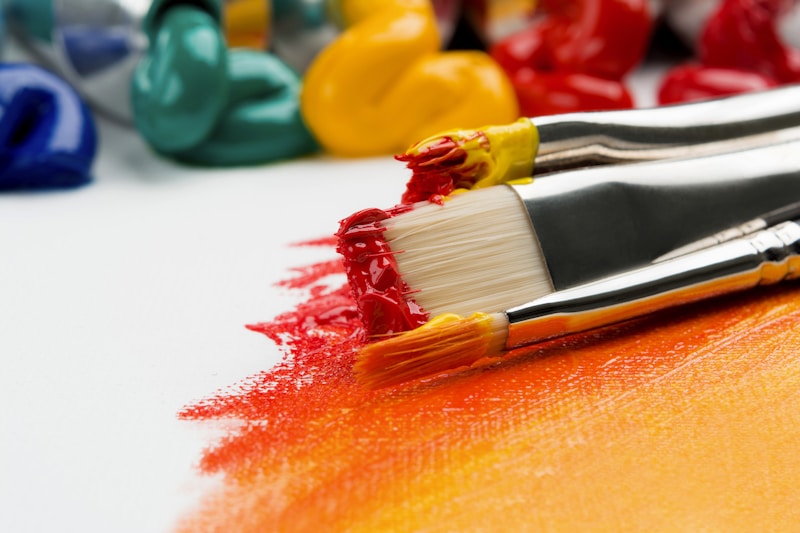
Non-toxic paint, big paper, and freedom. Let them paint with their hands, feet, or anything else they want. This builds tactile awareness and creativity simultaneously. Cover the floor and let go of perfection.
5. Nature Sensory Walk (Ages 2+)
Barefoot on grass, sand, smooth stones, and fallen leaves. Each surface sends different signals to the brain. Talk about how each surface feels. This builds vocabulary and sensory processing at the same time.
6. Ice Play (Ages 1+)
Freeze small toys in ice blocks. Let your child chip at them with warm water, salt, and spoons. The contrast of cold ice and warm water teaches temperature concepts while building patience and problem-solving.
7. Edible Sensory Bin (Ages 6 months+)
For babies who still mouth everything, use cheerios, cooked pasta, or whipped cream in a high chair tray. Safe to eat, rich in texture, and perfect for early sensory exploration.
8. Sand and Water Table (Ages 1+)
A outdoor sand table with added water creates endless possibilities. Build castles, dig rivers, bury treasures. The combination of wet and dry sand teaches texture changes.
9. Cotton Ball Painting (Ages 2+)
Clip cotton balls to clothespins. Dip in paint and stamp on paper. This unusual grip builds different hand muscles than standard painting and feels novel and exciting.
10. Shaving Cream Play (Ages 2+)
Squirt shaving cream on a tray. Let kids swirl, draw letters, and hide small objects in it. It cleans up easily and provides incredible tactile input. Add food coloring for visual appeal.
11. Pasta Threading (Ages 3+)
Thread dried penne or rigatoni onto string or pipe cleaners. This builds fine motor precision, hand-eye coordination, and concentration. Dye the pasta first for color sorting activities.
12. Water Bead Sensory Bin (Ages 3+)
Water beads expand overnight into squishy, translucent spheres. Kids love running their hands through them. They're visually stunning and incredibly calming. Supervise young children closely.
13. Taste-Safe Paint (Ages 6 months+)
Mix yogurt with food coloring for a taste-safe paint. Perfect for babies and toddlers who still put everything in their mouths. Same creative benefits, zero worry.
14. Sound Shakers (Ages 1+)
Fill small containers with different materials "” rice, beans, bells, sand. Seal them tight and let kids shake and compare sounds. This builds auditory discrimination and cause-and-effect understanding.
15. Kinetic Sand (Ages 2+)
Kinetic sand holds its shape when squeezed but flows like water. It's less messy than regular sand and provides deep tactile input. Add molds and tools for extended play.
Tips for Managing the Mess
Lay a shower curtain or old sheet under the activity. Dress kids in old clothes or just a diaper. Use a kiddie pool outdoors for especially messy activities. And remember "” the mess is temporary, but the brain building is permanent.
Frequently Asked Questions
My child avoids messy textures. Is that normal?
Yes. Some children are sensory-sensitive. Don't force it. Offer alternative textures "” dry rice instead of wet sand, for example. Gradually introduce new textures at their pace. If aversion is extreme, an occupational therapist can help.
How often should kids do sensory play?
Daily, even if it's just 10 minutes. Regular sensory input builds neural pathways faster than occasional activities. Integrate it into daily routines "” water play at bath time, playdough while you cook.
Is screen-based sensory content as good?
No. Screens provide visual and auditory input only. Real-world sensory play engages touch, proprioception, and often smell and taste. The physical component is what builds the brain connections.
Embrace the Mess
Sensory play is one of the simplest, cheapest, and most effective ways to support your child's development. Give them materials, step back, and let them explore. The mess on the floor is a small price for the brain growth happening underneath.