Two Different Worlds
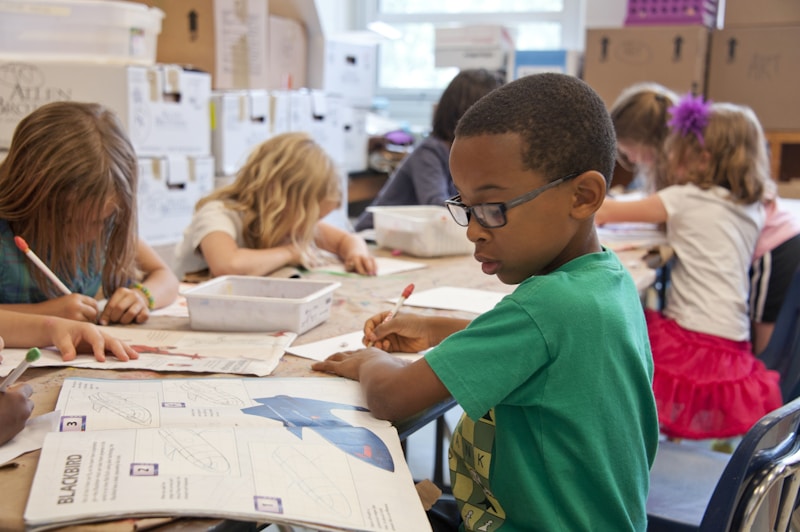
I grew up with traditional learning. Sit still, listen to the teacher, memorize facts, take tests. When I discovered right brain education, it was like discovering a completely different universe.
The Fundamental Difference
Traditional learning emphasizes left brain functions: logic, language, analysis, and sequential processing. Children learn through instruction, repetition, and testing.
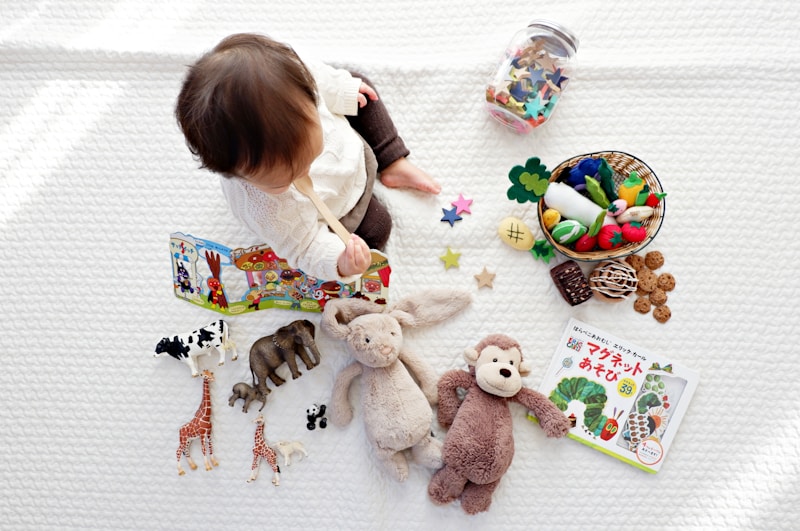
Right brain education emphasizes right brain functions: creativity, imagination, intuition, and holistic processing. Children learn through play, exploration, and multi-sensory experiences.
How Learning Happens
In traditional learning, information flows from teacher to student. The teacher is the expert, the student is the receiver. Learning is structured and linear.
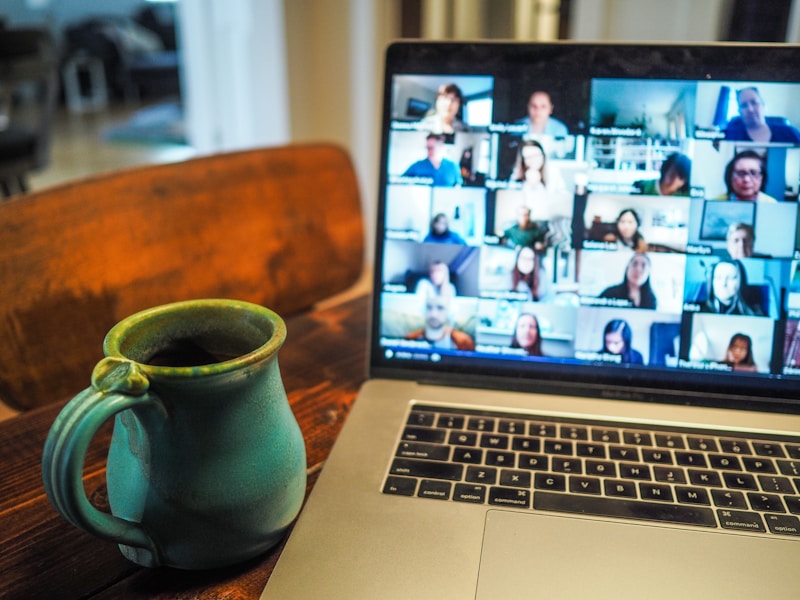
In right brain education, learning is collaborative and organic. The child's interests guide the process. The teacher facilitates rather than dictates. Learning is fluid and holistic.
What Gets Emphasized
Traditional learning values accuracy, speed, and measurable outcomes. Right brain education values creativity, exploration, and process. Both have merit, but they serve different purposes.
A child trained only in traditional methods might excel academically but struggle with creative problem-solving. A child trained only in right brain methods might be creative but lack foundational academic skills.
The Role of Play
In traditional learning, play is often seen as a break from learning. In right brain education, play IS learning. Through play, children develop cognitive, social, emotional, and physical skills simultaneously.
This is why right brain programs often look like play to outsiders. The learning is happening, just in a different format.
Assessment and Progress
Traditional learning uses tests and grades to measure progress. Right brain education observes behavior, engagement, and skill development over time. It's more qualitative than quantitative.
This can make right brain progress harder to measure, but it doesn't make it less real.
Finding Balance
The ideal approach combines both methods. Children need foundational academic skills AND creative, emotional development. They need structure AND freedom. They need left brain AND right brain.
Don't choose one at the expense of the other. Aim for balance, and your child will thrive.
Making It Work in Practice
Whether your child attends traditional school or right brain programs, supplement with activities from the other approach. If school is very structured, add creative play at home. If home learning is very free, add some structured activities.
Balance is the key to optimal brain development.