I've spent the last few years testing different activities with my kids. Some were a hit. Some were a total flop. But the ones I'm about to share with you stood head and shoulders above the rest. These aren't just random activities I found on the internet. They're activities that I personally tested with my own children, observed the results, and refined over time. What makes them special is that they each target specific cognitive skills while still being genuinely fun to play.
Why Parents Love It
Start with something your child already enjoys. If they like building, use blocks and construction challenges. If they like stories, use narrative games. Meeting them where they are makes all the difference.
Gross motor development is the foundation for many cognitive skills. When children run, jump, and climb, they're building brain connections alongside muscle strength. This connection between physical movement and brain development is well-documented in research. Children who are physically active tend to have better attention, memory, and academic performance.
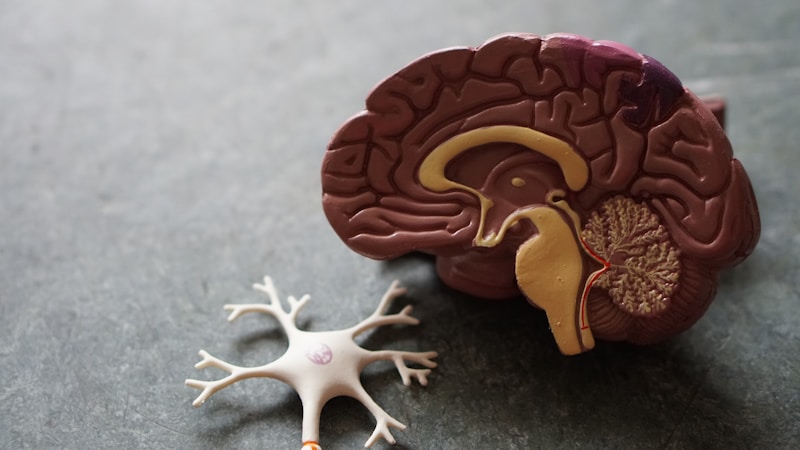
The relationship between physical activity and brain development is well-established in research. When children move their bodies, blood flow to the brain increases, delivering oxygen and nutrients that support cognitive function. That's why I always recommend incorporating movement into brain-building activities whenever possible. A game that combines physical movement with mental challenges is incredibly effective.
Setting Up for Success
The change wasn't just in their brains. It was in their attitudes, their confidence, and their relationships.
Give it a try this week. Start with one activity and see how your child responds. You might be surprised at what they're capable of when given the right challenge.
What matters most is that you're showing up and trying. That's more than enough. Your child doesn't need perfect activities or perfect execution.
Games That Challenge the Mind
Some of the best learning happens when you least expect it. A car ride, a walk in the park, or waiting at a restaurant can become a brain-boosting opportunity.
Getting Better Results
Every child develops at their own pace, and that's perfectly normal. Some kids take to these activities immediately, while others need more time to warm up. Don't be discouraged if your child doesn't show instant enthusiasm. Try different approaches, adjust the difficulty level, and most importantly, keep the experience positive. The goal is to build a love of learning, not to force specific outcomes.
Child development follows predictable patterns, but every child moves through them at their own pace. Understanding these patterns helps parents provide appropriate support without pushing too hard. I used to worry about whether my children were developing on schedule, but I've learned that there's a wide range of normal. What matters most is that children are making progress over time.
Avoiding These Traps
One of the most rewarding aspects of this journey has been watching my children surprise themselves. When they solve a problem they thought was too hard, or remember something they thought they'd forgotten, the pride on their faces is absolutely priceless. These moments of self-discovery are what make all the effort worthwhile. They're learning that their abilities aren't fixed, that they can always improve with practice.
Every child develops at their own pace, and that's perfectly normal. Some kids take to these activities immediately, while others need more time to warm up. Don't be discouraged if your child doesn't show instant enthusiasm. Try different approaches, adjust the difficulty level, and most importantly, keep the experience positive. The goal is to build a love of learning, not to force specific outcomes.
Long-Term Success
Language development accelerates dramatically between ages two and six. These activities capitalize on that critical window for maximum impact. During this period, children's brains are uniquely receptive to language input. They can learn new words, grammar rules, and pronunciation patterns with remarkable ease.
The best part? These activities brought us closer together as a family while building brainpower.
Taking Action Now
Social-emotional development is just as important as cognitive development. Games that involve turn-taking, sharing, and cooperation build essential life skills. I've noticed that children who have strong social-emotional skills tend to be better learners.
Sensory experiences are crucial for young children's brain development. Touching different textures, hearing various sounds, and seeing diverse visuals all strengthen neural pathways. I've made a conscious effort to provide my children with a wide range of sensory experiences.
Why Parents Love It
What surprised me most about this process was how much I grew alongside my children. Playing brain games made me more patient, more creative, and more present. I started seeing learning opportunities everywhere, in everyday conversations, during routine tasks, in random moments throughout the day. Parenting became less about managing behavior and more about nurturing curiosity.
If your child resists at first, don't force it. Try again in a few days with a slightly different approach. Sometimes timing makes all the difference.
This experience taught me something fundamental about how children learn.
I'd love to hear how these activities work for your family. Every child is different, and I'm always learning new approaches from other parents. Share your experiences and let's build a community of families committed to raising strong, smart, confident kids. The more we share, the more our children benefit.