Beyond IQ: Understanding Multiple Intelligences
For decades, IQ tests were considered the gold standard for measuring intelligence. But research has shown that intelligence is far more complex than a single number can capture. Howard Gardner's theory of multiple intelligences revolutionized how we think about human ability, and it has profound implications for how we educate our children.
When I first learned about multiple intelligences, I realized why my daughter struggled in some areas while excelling in others. She scored average on traditional IQ tests, yet she could learn a new song after hearing it once and could draw portraits that captured people's personalities. Her intelligence was real, just different from what traditional tests measured.
The Eight Multiple Intelligences
Gardner identified eight distinct types of intelligence, each representing a different way of processing information and solving problems. Understanding these intelligences helps parents and educators recognize and nurture their children's unique strengths.
Linguistic Intelligence
Linguistic intelligence involves sensitivity to language and words. Children strong in this area love reading, writing, and storytelling. They have large vocabularies, enjoy word games, and express themselves clearly and persuasively. These children often become writers, journalists, or public speakers who communicate with skill and passion.
Logical-Mathematical Intelligence
Logical-mathematical intelligence involves the ability to think logically and work with numbers. Children strong in this area enjoy puzzles, patterns, and mathematical concepts. They are natural problem-solvers who like to understand how things work and why things happen the way they do.
Spatial Intelligence
Spatial intelligence involves the ability to visualize and manipulate objects mentally. Children strong in this area are often good at drawing, building, and navigating. They think in images and pictures rather than words. They may excel at art, architecture, and engineering in the future.
Musical Intelligence
Musical intelligence involves sensitivity to rhythm, pitch, and melody. Children strong in this area are often drawn to music, may have perfect pitch, and can learn songs quickly. They notice musical patterns that others miss and respond deeply to sounds and compositions.
Bodily-Kinesthetic Intelligence
Bodily-kinesthetic intelligence involves the ability to use the body skillfully. Children strong in this area are often athletic, coordinated, and expressive through movement. They learn best through doing rather than watching or listening to instructions.
Interpersonal Intelligence
Interpersonal intelligence involves the ability to understand and relate to others. Children strong in this area are often natural leaders who can read social situations and mediate conflicts. They are empathetic, diplomatic, and skilled at working with people from all backgrounds.
Intrapersonal Intelligence
Intrapersonal intelligence involves self-awareness and the ability to understand one's own feelings, fears, and motivations. Children strong in this area are often reflective and independent. They have a clear sense of who they are and what they want to accomplish.
Naturalistic Intelligence
Naturalistic intelligence involves sensitivity to the natural world. Children strong in this area are often drawn to plants, animals, and outdoor activities. They can categorize and recognize patterns in nature and feel a deep connection to the environment.
How to Identify Your Child's Strengths
Identifying your child's intelligence profile does not require formal testing. You can observe your child's natural tendencies and preferences to understand their strengths and support their development effectively.
Observing Play Patterns
Pay attention to how your child plays. Do they prefer building blocks or drawing? Do they love music or physical activities? Do they enjoy group games or solitary exploration? These preferences often reveal their dominant intelligences and natural aptitudes.
Noting Academic Preferences
Notice which subjects your child gravitates toward and which ones they avoid. A child who loves science but hates writing may have strong logical-mathematical intelligence and developing linguistic skills. Understanding these patterns helps you provide targeted support.
Listening to Their Interests
Ask your child what they enjoy doing and what they want to learn about. Their answers often reveal the intelligences that are most developed. Follow their lead and provide opportunities in those areas to nurture their natural abilities.
Developing Multiple Intelligences
While every child has natural strengths, all intelligences can be developed with practice and encouragement. Providing varied experiences helps children develop a well-rounded set of abilities.
Strategies for Linguistic Development
Read to your child daily. Encourage storytelling and creative writing. Play word games and puzzles. Create a print-rich environment with books, labels, and writing materials. These activities build language skills that support all areas of learning.
Strategies for Logical-Mathematical Development
Provide puzzles, building toys, and math games. Ask questions that encourage logical thinking. Let your child experiment and discover cause and effect relationships. These activities develop the analytical thinking skills that are important for academic success.
Strategies for Spatial and Musical Development
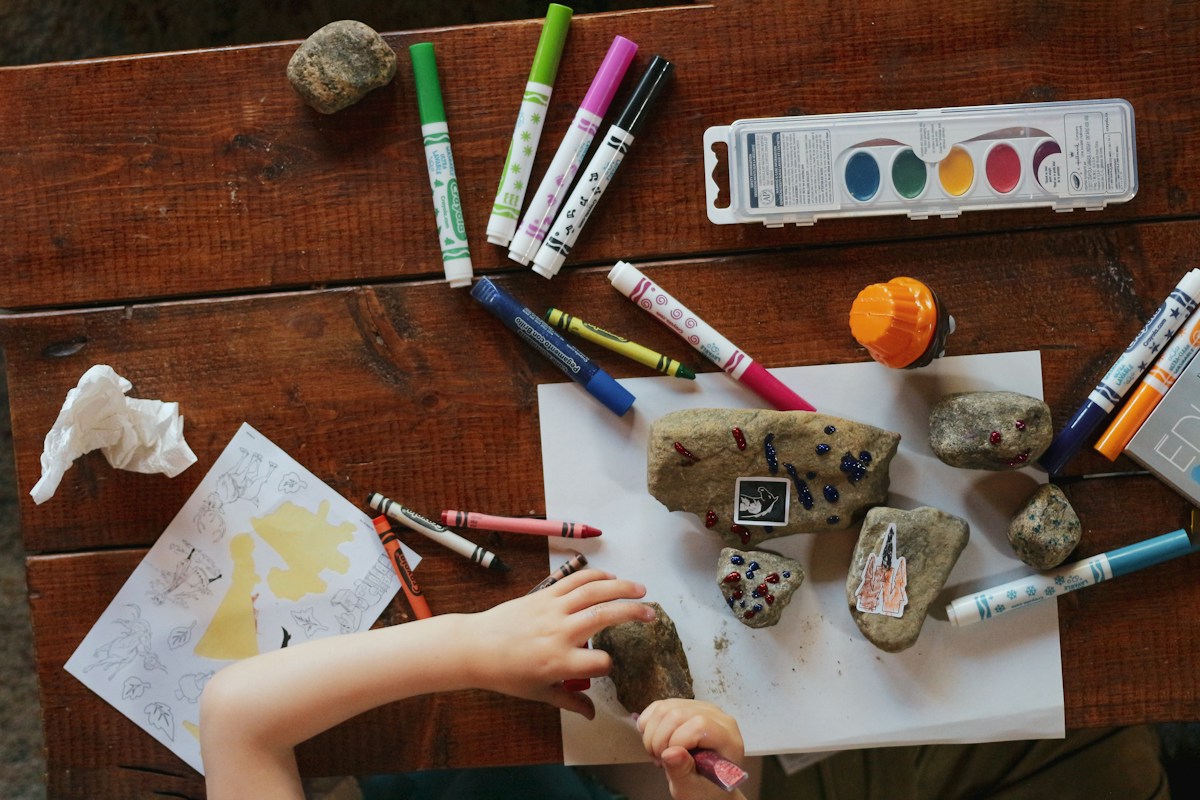
Provide art supplies, construction toys, and visual puzzles for spatial development. Expose your child to a variety of music and provide simple instruments for musical development. Encourage drawing, painting, and building to strengthen visual-spatial reasoning.
Multiple Intelligences in the Classroom
Understanding multiple intelligences can help parents advocate for their children in school settings. Teachers who understand this theory can provide more diverse and effective instruction that meets the needs of all learners.
Talking to Teachers
Share your observations about your child's strengths with their teacher. Ask how the classroom accommodates different learning styles. Work together to create a learning plan that addresses your child's unique needs and builds on their natural abilities.
Supporting Homework
When helping with homework, consider your child's intelligence profile. A child with strong spatial intelligence might benefit from drawing diagrams. A child with strong bodily-kinesthetic intelligence might learn better through hands-on activities and movement.
Balancing Strengths and Weaknesses
While it is important to develop your child's strengths, it is equally important to support growth in weaker areas. A balanced approach produces the most well-rounded development and gives children the widest range of abilities to draw on throughout their lives.
Nurturing Natural Talents
Provide opportunities for your child to develop their natural talents. If they love music, provide lessons and practice time. If they love science, provide experiments and field trips. Nurturing strengths builds confidence and expertise that transfers to other areas.
Gently Challenging Weaker Areas
Find creative ways to develop weaker areas through your child's strengths. A child who loves music might learn to read through song lyrics. A child who loves art might learn math through geometry projects. This approach makes development feel natural and enjoyable.
The Role of Environment
The environment plays a crucial role in developing multiple intelligences. A rich, diverse environment provides opportunities for all intelligences to develop naturally and effectively over time.
Creating an Intelligence-Rich Home
Fill your home with materials that stimulate different intelligences. Books for linguistic development, art supplies for spatial development, instruments for musical development, and sports equipment for bodily-kinesthetic development. Access to diverse materials supports natural growth.
Providing Diverse Experiences
Expose your child to a wide variety of experiences. Visit museums, concerts, parks, and cultural events. Travel when possible. Each new experience stimulates different intelligences and broadens your child's perspective on the world.
Moving Beyond Labels
Remember that multiple intelligences are not rigid categories. Every child is a unique blend of all eight intelligences, and these can change and develop over time. Use this framework as a guide for understanding your child, not as a limitation on their potential.
For more on understanding your child's unique abilities, explore our guide to recognizing gifted traits and learn about memory improvement techniques that complement intelligence development.