Sharpening Observation
Observation is a foundational skill for learning. Children who observe well learn more from their environment. Here's how to develop this crucial ability.
I Spy Games
Classic "I Spy" develops visual observation. Start with easy clues and progress to harder ones. This game teaches children to notice details in their environment.
Play during car rides, walks, or waiting times.
Spot the Difference
Show two similar pictures and ask your child to find differences. Start with obvious differences and progress to subtle ones. This builds attention to detail.
Many free resources are available online for spot-the-difference activities.
Nature Observation
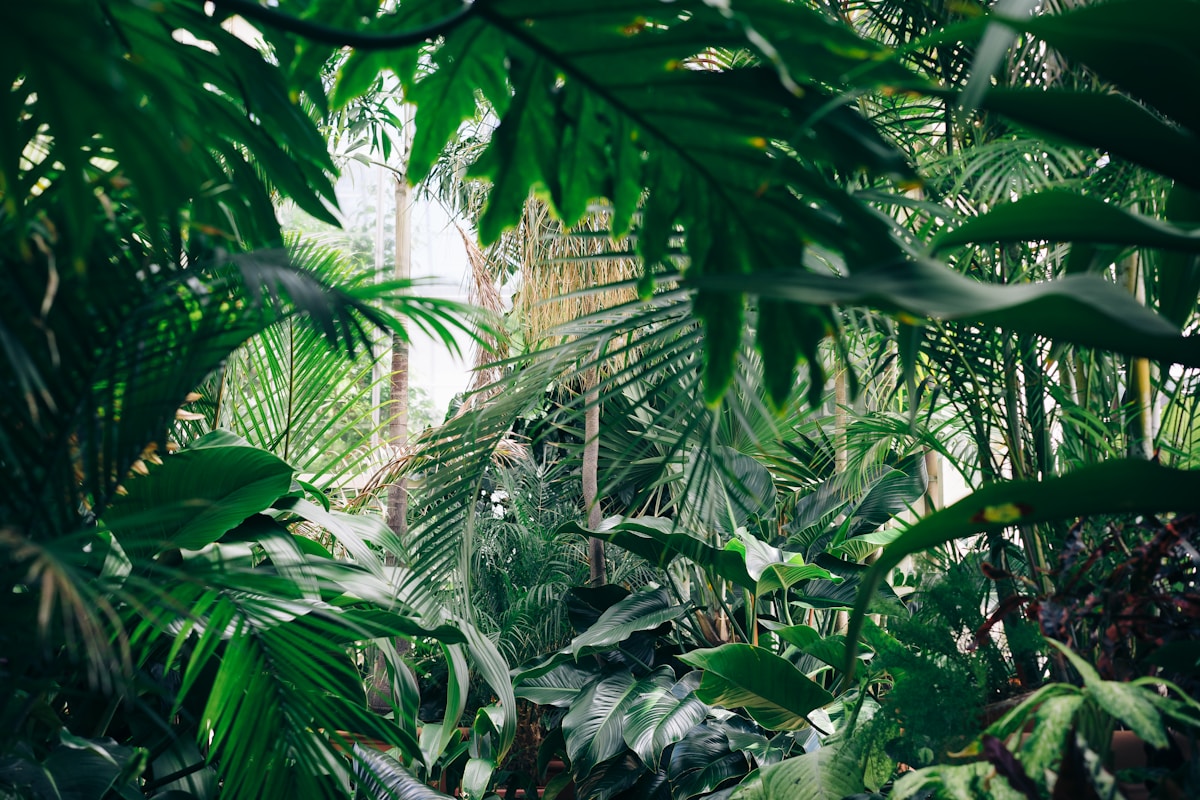
Take nature walks and encourage careful observation. "Look at that leaf. How many points does it have? What color is it?" Nature provides endless observation opportunities.
Bring a magnifying glass for closer inspection.
Drawing From Observation
Ask your child to draw something they're observing, like a flower or toy. Drawing from observation develops visual attention and detail awareness.
Focus on the process, not the artistic result.
Memory Observation Games
Show a tray of objects, cover it, remove one, and ask what's missing. Start with three objects and gradually increase. This builds both observation and memory.
Increase difficulty gradually to maintain challenge.
Daily Observation Practice
Point out details during everyday activities. "Did you notice the new flowers in the garden?" "What color was the car that just passed?" Make observation a daily habit.
Children learn to observe by being asked to observe.
Photography Projects
Give children a camera and ask them to photograph interesting things they observe. Photography teaches careful looking and attention to detail.
This activity develops observation skills in an engaging way.
Encouraging Curiosity
When children ask questions about what they observe, encourage their curiosity. Answer questions thoughtfully. Ask follow-up questions. Model observation yourself.
Curious children become observant children.